The Oligarch and the Art Dealer
The Oligarch and the Art Dealer
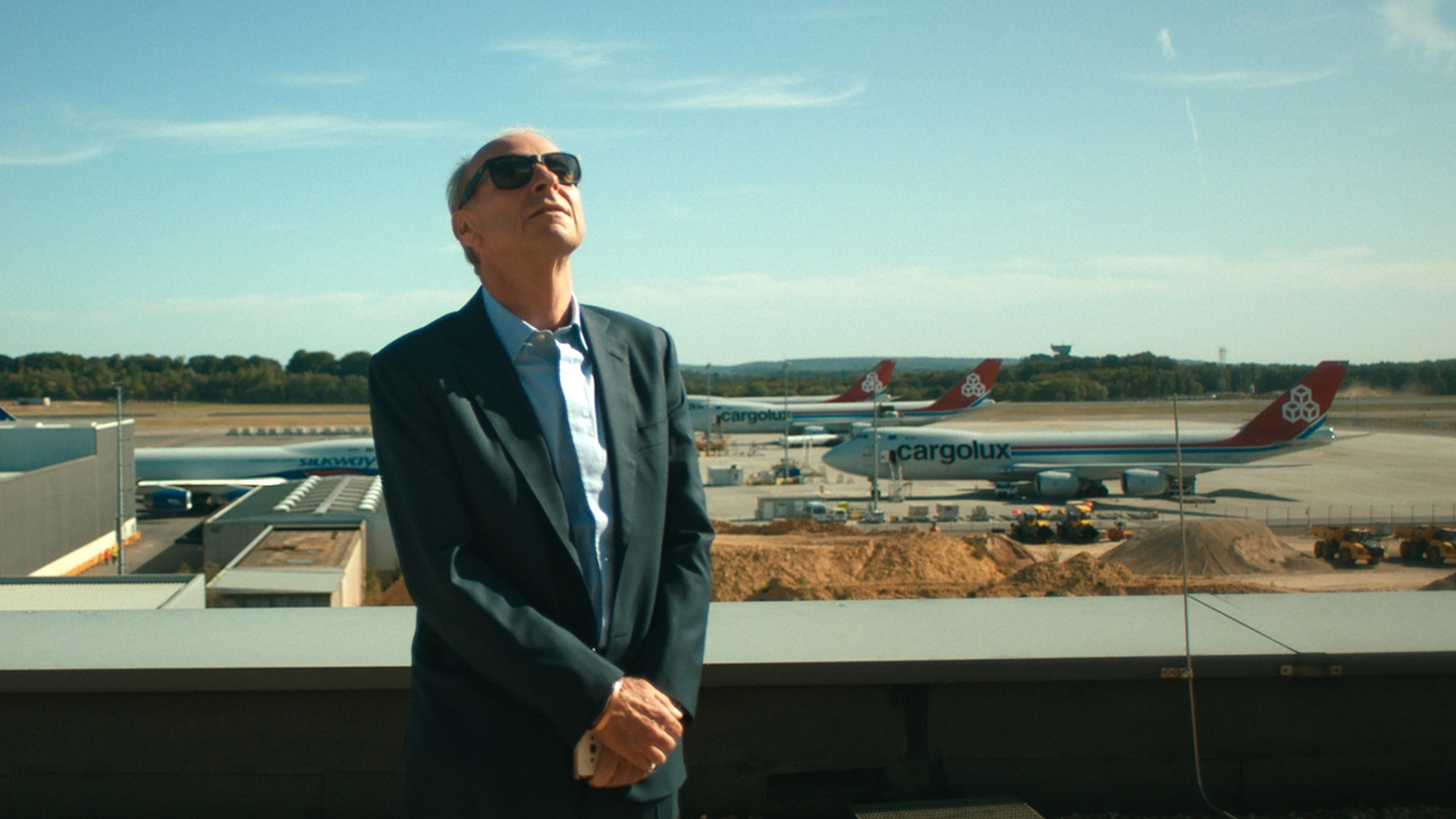
VERDICT: The docuseries 'The Oligarch and the Art Dealer' provides a gripping look into a high-profile battle in the shadowy realm of the luxury art trade.
One of the spectacular setpieces in Tenet involved a jetliner crashing into the Oslo freeport. In a world where Christopher Nolan doesn’t command blockbuster budgets worth the price of a couple Van Goghs, there is a different sort of cinematic thrill at the Geneva freeport, the center of intrigue in the engrossing docuseries The Oligarch and the Art Dealer. The first episode debuts at the Sundance Film Festival and even after just sixty minutes, one anticipates not only a welcome reception to the series, but a feature adaptation to follow.
From the jump, director Andreas Dalsgaard peels away the rarified air of the art world and gets right to the point: this is a story about money, connections, and power. It all begins in 2015 when secretive Russian oligarch Dmitry Rybovlev comes out of the shadows and takes his highly regarded and influential art dealer, Yves Bouvier, to court for fraud. This is an earth shaking move by Rybolovlev, a man who doesn’t have email, a cell phone number, or even a computer; a man for whom privacy has always been paramount. The court proceedings make Bouvier and Rybolovlev’s communications and transactions a matter of public record. And it provides a fascinating look into the realm of the super-wealthy, where absolutely nothing is ever as it appears.
Journalists and experts help unpack the tangled web of the case, but it goes something like this. It all starts with Marc Chagall’s painting “Le Cirque” (the circus, how appropriate). Rybolovlev purchased the work and had it shipped to the Geneva freeport, founded by Bouvier, which is a tax-free haven for artworks. Essentially, art owners don’t have to pay taxes on their work unless it leaves the freeport. So, think of it as the world’s biggest and most valuable art gallery, where nobody can see what’s on display. Anyhow, “Le Cirque” arrived without a certificate of authenticity. Bouvier offered to track it down, and when he did, an impressed Rybolovlev made him his permanent art dealer. However, there was one thing Bouvier didn’t tell Rybolovlev — he already knew the owner of “Le Cirque.” His “discovery” of the certificate wasn’t as miraculous as it appeared to be. As the relationship develops, Bouvier starts buying paintings himself and flipping them to Rybolovlev, without the oligarch’s knowledge, his tens of millions of markups earning him far more than his 2% commission. Cleverly, Bouvier never fronts the money for the purchases himself, waiting for the Rybolovlev deals to go through before paying off who he needs to.
Rybolovlev’s lawyer and associates tell his side of the story, laying out a case for Bouvier’s duplicity. Surprisingly, Bouvier appears on camera to explain himself. His defense vacillates between positioning himself as just another merchant making the most of an opportunity to sell to one of the richest people in the world, to declaring his own right to privacy. Essentially, Bouvier believes he didn’t owe Rybolovlev transparency about the fact he was technically selling him a painting he (temporarily) owned. But the shadiness extends outside Bouvier’s orbit as even the auction houses seem willing to be blind when piles of cash are exchanging hands.
Unfolding in a murky universe of shell corporations, offshore accounts, and millions and millions of dollars moving across borders, the narrative lines of The Oligarch and the Art Dealer remain clear. Dalsgaard pulls the pisces of this tale together into a thrilling procedural; when the first episode ends, it’s a true bummer there isn’t another one immediately following. But it’s a sure bet the streamers in Park City will be battling for the rights, so it won’t be long until we see where the winding path of Bouvier vs. Rybolovlev leads next.
Director: Andreas Dalsgaard
Screenplay: Kevin Lincoln, Andreas Dalsgaard, Christoph Jorg
Producers: Christoph Jörg, Miriam Norgaard
Cinematography: Adam Morris Philp
Editing: Estephan Wagner, Martin Anthon
Music: Alexander Reumers
World Sales: CAA
Venue: Sundance Film Festival (Episodic Pilot Nonfiction Showcase)
In English, French
60 minutes