
Parallel Tales
Histoires parallèles
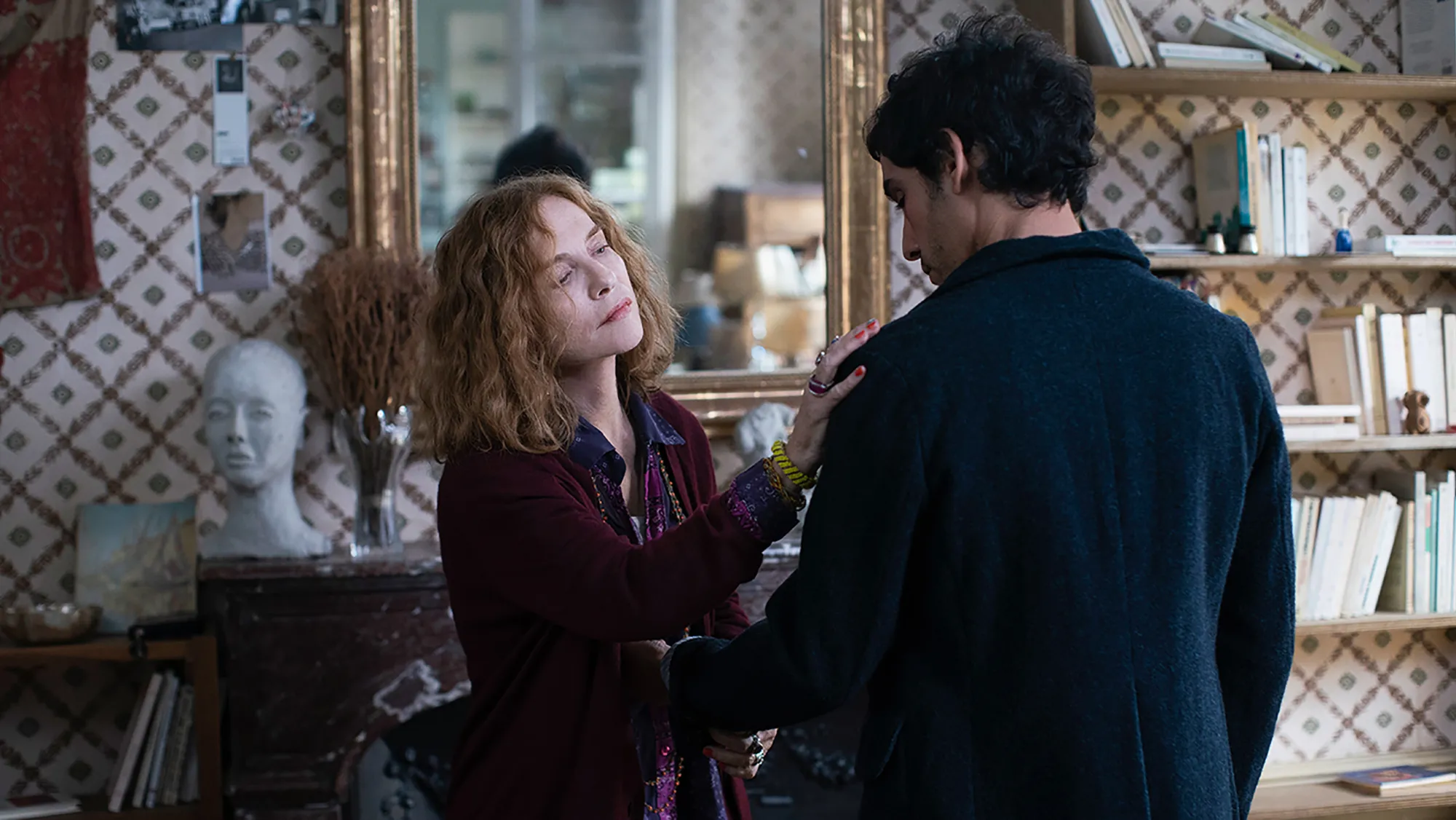
VERDICT: Art and life take turns imitating each other in a long cascade of intricately interwoven stories in Asghar Farhadi’s ‘Parallel Tales’, part engrossing puzzle and part a repetitively revolving door.
Boldly pulling the curtain aside to reveal the inner workings of movie-making, from stories cribbed from life, to the clever ways foley artists invent illusory sounds, Parallel Tales is the latest reworking of the arty it’s-just-a-movie trope. It is on firm ground in the Cannes competition, no doubt to be followed by many more festival slots, where it will at least be deciphered and discussed. But with a running time well over two hours, this intricate puzzle of a film is likely to frustrate regular audiences who would rather enjoy a well-told tale than spend their time becoming aware, over and over, that they are watching a movie.
The trouble with reflexive cinema, the kind that uses its narrative to reflect on the nature of storytelling itself, is that by now it feels like every conceivable variant on the theme has been used and done to death. It also undercuts the emotional hold of the story, as characters are constantly being shown to be what they in fact are: unreal constructions springing from the creative imagination of the filmmakers, and not real people with real problems worthy of the viewer’s empathy.
If the film works at all it is thanks to the exceptional craftsmanship of its camerawork, editing, and acting, under the direction of Asghar Farhadi. One of the most significant Iranian directors of the last decades, Farhadi’s much-imitated social dramas like Fireworks Wednesday and A Separation laid the foundation for many less original films to follow. But since his 2013 film The Past set in France and Everybody Knows (2018) set in Spain, he has mostly worked outside Iran, with mixed results.
Parallel Lives is French in language and locale, though “loosely based” on (one would say heavily indebted to) Polish director Krzysztof Kieslowski’s Dekalog: Six. The episode (later expanded into the feature film A Short Story about Love) tells the story of a young man who falls for a woman in the facing building and begins to spy on her and generally stalk her, until they unexpectedly develop some kind of relationship. In Farhadi’s version, the screenplay is embellished with the key addition of Sylvie, an eccentric lady writer (a role turned into a memorable career gem by a wonderfully sardonic, misanthropic Isabelle Huppert) who torments her editor (Catherine Deneuve) with the banality of her latest writing.
In fact the only soul who sees some value in her sketchy storytelling is Adam (Adam Bessa), a young ex-hoodlum who learned to love poetry while serving jailtime for theft. Sylvie herself is something of a thief, stealing bits of her neighbors’ lives who she spies on through a telescope. Adam, who thinks he could become a writer, steals his own looks into the office of three sound technicians/foley artists who record soundtracks for film and TV. His growing obsession with a young woman who works there, Nita (Virginie Efira), begins to dovetail into the Kieslowski story. While he is waiting to get acquainted, he imagines she is the mistress of the older man (Vincent Cassel) but having a secret affair with the younger one (Pierre Niney). Though this is initially far from the truth, when the manuscript gets into Nita’s hands, reality begins to shift.
There is much comic material here but apart from Huppert’s scenes it lies mostly dormant. The few times the audience is allowed to laugh, the atmosphere becomes much brighter and more natural. But Farhadi prefers drama and pushes it hard in the final scenes with a near-rape that echoes the central drama in one of his last Iran-set films, The Salesman, where everything had to be suggested, not seen. In this regard he has certainly had a gain in naturalism working in France.
The production design utilizes a lot of glass-walled cafés and Sylvie’s spacious, airy apartment to emphasize the freedom the female characters have to move around the city on their own and conversely, the danger lurking in the cluttered, dark and disorderly sound studio expertly lit with shadows by D.P. Guillaume Deffontaines.
Linking the characters, literary and “real”, and helping them seamlessly transition from paper to flesh and back again is the eminent Iranian editor Haydeh Safiyari, who has worked on all the director’s films. Light musical comment, which is sometimes no more than a few piano notes, is offered instead by Zbigniew Preisner, who was Kieslowski’s regular composer.
Director: Asghar Farhadi
Screenwriters: Asghar Farhadi, Saeed Farhadi
Producers: Alexandre Malle-Guy, Asghar Farhadi, David Levine.
Cast: Isabelle Huppert, Virginie Efira, Vincent Cassel, Catherine Deneuve, India Hair, Pierre Niney, Adam Bessa
Cinematography: Guillaume Deffontaines
Production design: Emmanuelle Duplay
Costume design: Khadija Zeggai
Editing: Haydeh Safiyari
Music: Zbigniew Preisner
Sound: Thomas Gauder
Foley artist: Pierre Greco
Foley mixer: David Davister
Production companies: Memento Films Production (France)
World sales: Charades
Venue: Cannes Film Festival (Competition)
In French
140 minutes