
Death Has No Master
La muerte no tiene dueño
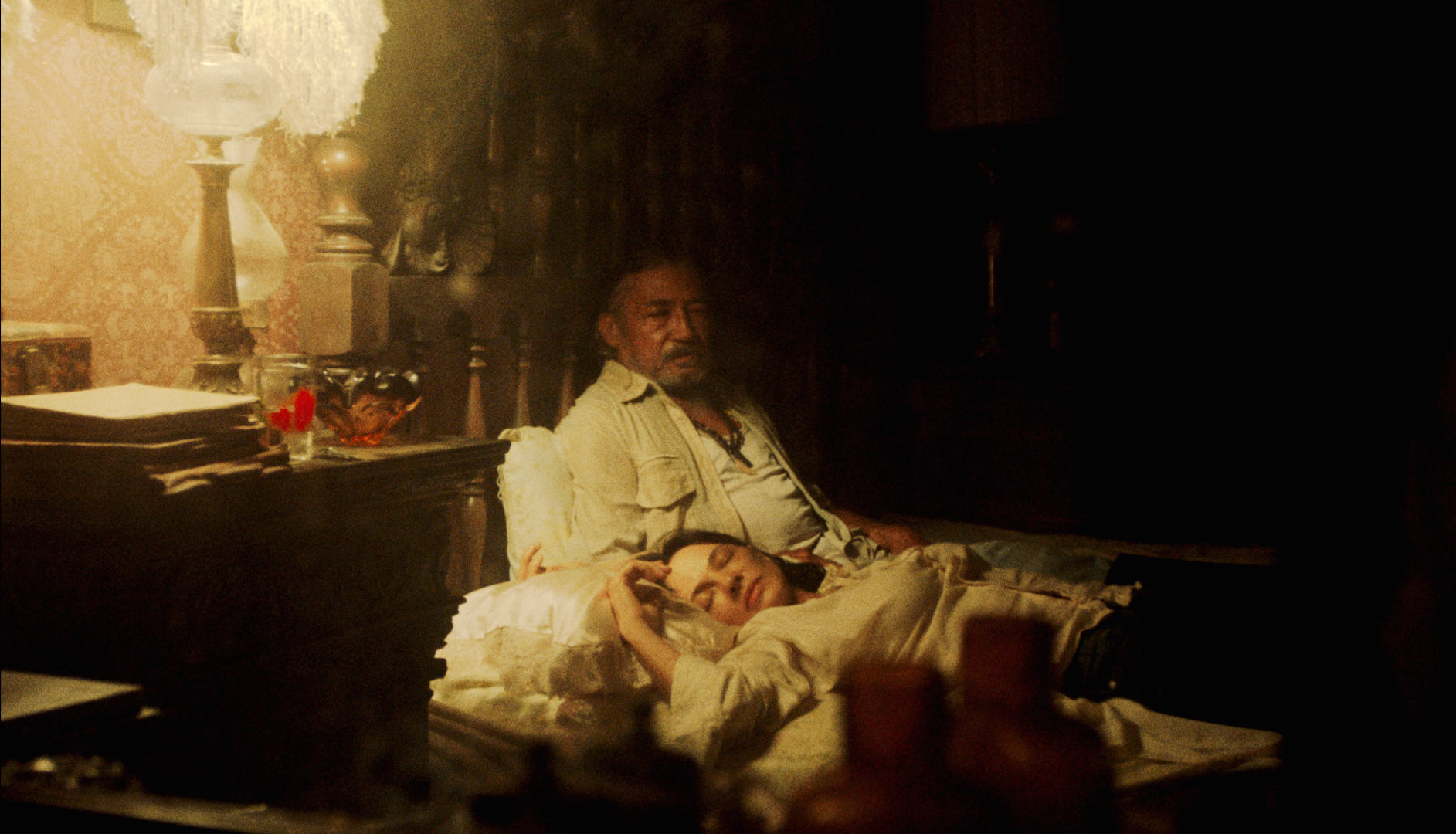
VERDICT: Venezuelan film-maker Jorge Thielen Armand's brooding psychological revenge thriller, playing in the Directors' Fortnight section in Cannes, is highly atmospheric but gets lost exploring its messy mixture of genres.
A emotionally scarred woman returns to her native Venezuela after years of European exile, seeking some kind of reckoning with her late father and troubled past, in Death Has No Master. Premiered in the Directors’ Fortnight section in Cannes this week, the third feature by Canadian-based Venezuelan film-maker Jorge Thielen Armand is a brooding psychological revenge thriller, highly atmospheric but also ponderous and cryptic at times.
A four-country production, Death Has No Master sometimes suffers from the lost-in-translation feel that can afflict culturally mixed co-productions. In addition, Armand also seeks to make a mixture of various genres, which do not always cohere and may confuse some viewers. Even so, this is a spellbinding piece of work which makes great use of its striking location and eerie sound design to build a potent sense of dread and dislocation. It should play well with art-house genre fans and could enjoy specialist distribution in that market.
Caro (Asia Argento), a Venezuelan woman who has lived in Italy since childhood, returns to her former homeland with the intention of selling the grand but crumbling rural farmhouse she inherited from her semi-estranged father. She finds a very different country, and the once magnificent house now very deteriorated. The former family cook Sonia (Dogreika Tovar) and her 10-year-old son Maikol (Yermain Sequera) now live there and rent out rooms. When she refuses to leave, Roque (Jorge Thielen Hedderich), an old friend of the family, proposes unorthodox – but not entirely legal – methods for Caro to evict the squatters.
The plot alternates between the protagonist’s nightmares and reality, the former being only slightly more terrible and bloodier than the latter. Caro, a foreigner in her native country, does not show any sign of nostalgia, and is not willing to make any gracious concessions to Sonia. Argento, a talented actress, does her best dealing with a sullen role that does not even allow her to smile.
The film’s greatest accomplishment is its clammy, unsettling atmosphere of tropical decrepitude, invoking a rich cultural hinterland from Alejo Carpentier’s 1962 novel El siglo de las luces to the seething jungle-scapes of Apocalypse Now (1979). The house retains its majesty and part of its beauty, although it does not hide the bad years it has endured. The environment feels hot, humid, sticky. A very well-staged scene in a seedy bar even presents musicians playing out of tune. With the vibrant exception of a party with tropical percussion, the music feels dated, while an ever-present backdrop of ambient noise enhances this creeping sense of unease with excellent use of sound design.
Armand’s narrative intentions are never entirely clear. A thread of political drama, rooted in the class struggle between Caro and Sonia, devolves into a family melodrama defined more by the antipathy of the protagonist than her social background. There are moments that feel like a Western, but the plot veers more towards slasher horror, or maybe a giallo which fades to – guess the color – a Profundo Rosso. But despite a few stumbles, Death Has No Master ultimately delivers enough horror, suspense and blood to reward patient fans of cult genre cinema.
Director, screenwriter: Jorge Thielen Armand
Producer: Stefano Centini, Jorge Thielen Armand, Arantza Maldonado
Executive Producers: D.D. Wigley, Yuki Arai, Mo Scarpelli
Cast: Asia Argento, Dogreika Tovar, Yermain Sequera, Jorge Thielen Hedderich, Arturo Rodríguez, Jericó Montilla, José “Chindito” Aponte
Cinematography: Luis Armando Arteaga
Editing: Felipe Guerrero
Music: Vittorio Giampietro
Production designer: Matías Tikas
Production company: La Faena (Venezuela/Canada), Volos Films (Italia), Faits Divers Media (Canada), in co-production with Tres Deal Productions; in association with The Godmother, Y.K. Well Enterprise, Lucky Number, Outpost MTL, Forerunner Films, Cinemateriales
World sales: Lucky Number
Venue: Cannes Film Festival (Quinzaine des Réalisateurs)
In Spanish, English
104 minutes