
New Mexican Film Law Aims at Creative Sovereignty
.
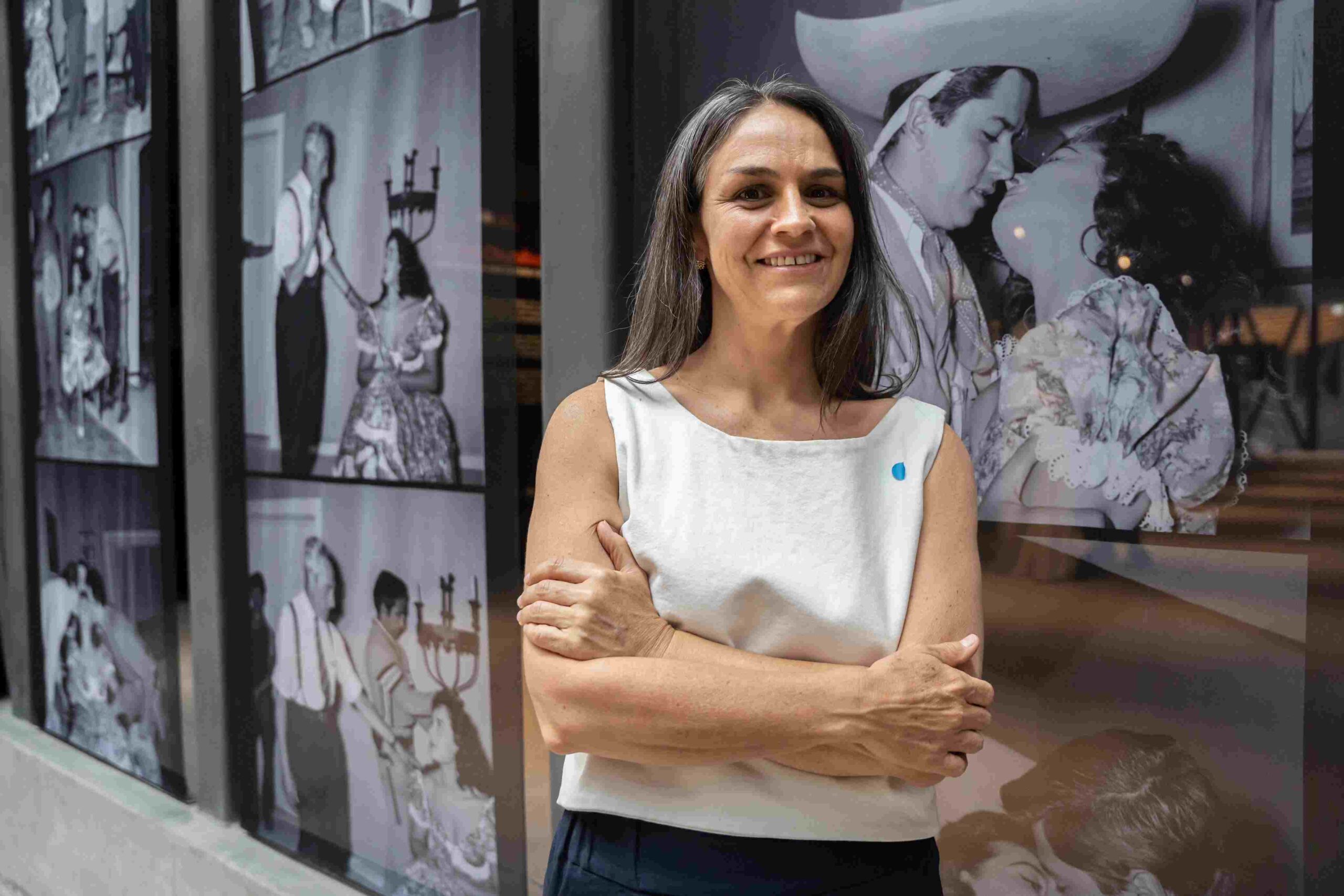
VERDICT: Five powerful women recently announced a new Mexican film law that addresses the challenges posed by new technologies and increases democratic access to audiovisual production.
Mexican President Claudia Sheinbaum, Mexico City Mayor Clara Brugada, Culture Minister Claudia Curiel and Director of the Film Institute of Mexico (IMCINE) Daniela Alatorre, accompanied by actress Salma Hayek, announced the new law, designed to stimulate independent film production and increase the visibility of Mexican audiovisual content in cinemas and on digital platforms.
The Film Verdict interviewed Daniela Alatorre, director of IMCINE, to better understand the strategies behind the new law.
The Film Verdict: Congratulations on the proposed new film law. How does it differ from the 1992 law?
Daniela Alatorre: I appreciate the interest of The Film Verdict. The old law needed to be updated and expanded. The media landscape has changed a lot in these years, bringing audiovisual content to viewers on streaming platforms, electronic devices and using AI-generated effects. We want to democratize access to cultural rights, and we have increased support for production for vulnerable communities such as indigenous peoples and people of African descent. Mexico is a multi-ethnic and multicultural country, and we want to defend people’s cultural and creative rights. A complementary strategy is to mandate preservation, so that not only films, but also master classes, critical thinking in the field and relevant content are preserved and stored properly.
TFV: How does the strategy address current challenges in film production?
Alatorre: The strategy updates the legal framework and designs public policies that support local production through fiscal and financial incentives. The incentives offer a 30% reduction in taxes for productions. For international producers, we aim to ensure that they hire at least 70% Mexican talent and suppliers. Funding for IMCINE has been increased for fiction, documentary, post-production, series and animation productions. We also support productions in the states outside of the Mexican capital, and the exhibitions at the Cineteca Nacional. The reality is that Mexico – and Latin America – are at a disadvantage relative to the larger resources of other countries’ film industries, so we hope these measures can defend our creative sovereignty. We believe that cinema is a cultural heritage that should not respond only to market forces, but also reflect a diversity of genres, formats and targeted viewers, including children. We also want to create our own exhibition platform.
TFV: In an increasingly competitive field, how can Mexican cinema gain greater visibility?
Alatorre: The new law will extend the requirement that exhibitors allocate 10% of screen time to Mexican films for two weeks (from one week in the 1992 law). We need to review and monitor compliance. It will also ask streaming platforms to grant greater access and visibility to our productions in the choices and priorities they offer viewers.
TFV: Mexican filmmakers have received international recognition (24 Oscars so far, as well as Goyas, Golden Globes and many awards from major festivals). Is there a danger that successful filmmakers will be recruited by studios and streaming services abroad, and productions will not return to Mexico?
Alatorre: We are certain that our talented filmmakers will continue to search for Mexican stories and will continue filming here, given the diversity of our locations and the skill and prestige of our crews and technicians. We are increasing funding for film schools, such as the CCC (Capacitacion Cinematográfica), which produces highly qualified graduates. IMCINE has increased its development budget, and we already offer support, residency and training in areas outside of major cities. We also focus on mentorship and scriptwriting to capture the stories that remain to be told.
TFV: There is a growing fear that actors are being replaced by Artificial Intelligence.
Alatorre: That is a concern, and in an amendment to the copyright law we are protecting artists’ rights. For example, since there is a lot of movie dubbing in our industry, we want to make sure that even if artificial intelligence is used, it is done with the artists’ consent and remuneration.
TFV: How do you view Netflix’s initiative to invest a billion dollars (over several years) in Mexican productions?
Alatorre: IMCINE welcomes international companies that show confidence in filming here. Our support for Mexican filmmakers, production infrastructure and our diverse locations make Mexico an attractive choice. We are living an exciting moment in Mexican cinema.