
Sheep in the Box
.
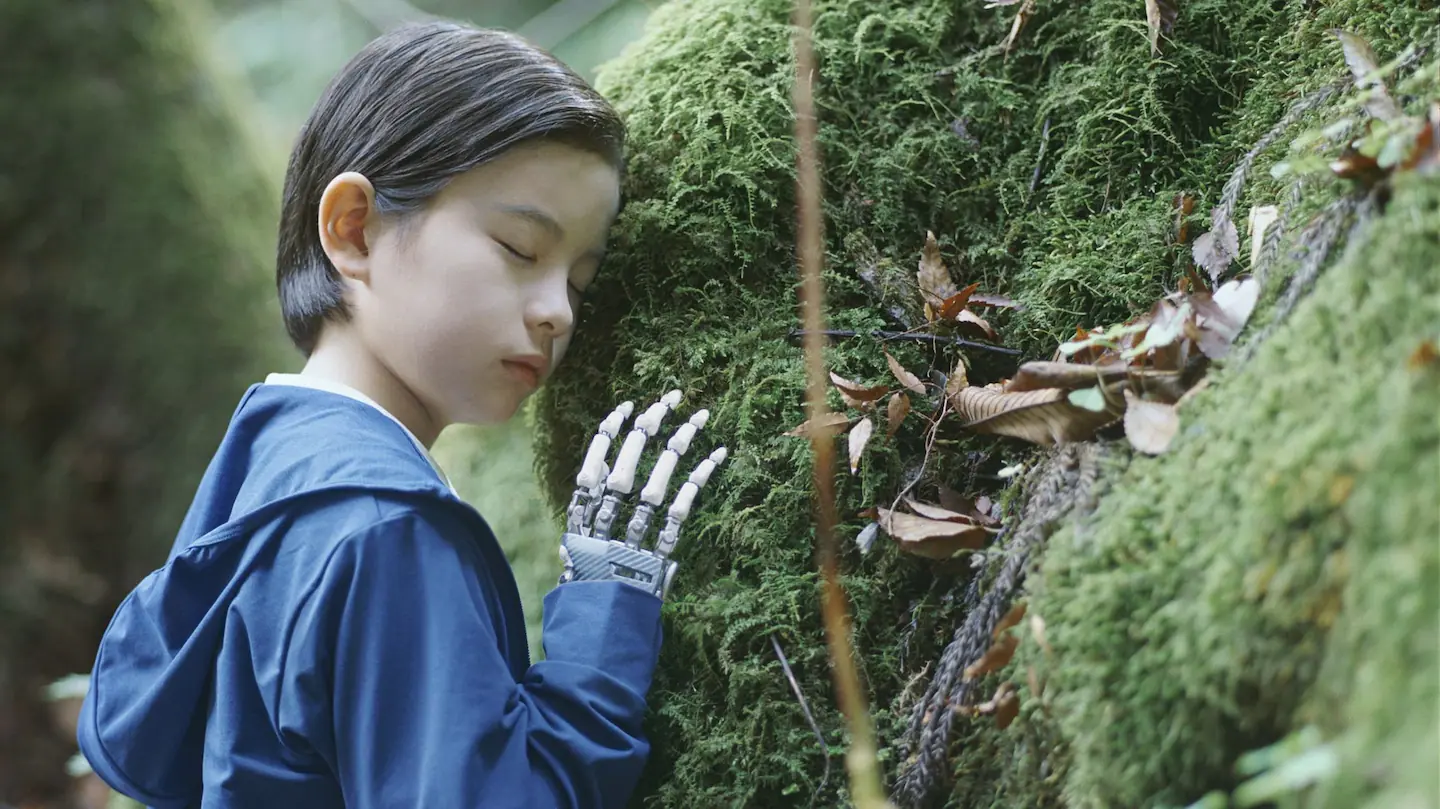
VERDICT: Award-winning filmmaker Koreeda Hirokazu takes the children's side in 'Sheep in the Box', a lean, engrossing SF story about parents who have lost their son and replace him with an android replica.
Winner of the Palme d’Or in 2018 for Shoplifters, filmmaker Koreeda Hirokazu brings to Cannes competition another warmly emotional work in defense of children, who in this story are not so helpless as they first appear. Returning to the recurrent theme in his work of children’s difficult relations with their parents, particularly in their sense of identity and belonging, his new film Sheep in the Box explores the issue in a pared-down narrative wrapped around an engrossing central paradox, with huge amounts of charm. Setting the tale demurely “in the near future”, writer, director and editor Koreeda injects just the right touches of SF and fantasy to sign in on the looming questions of our day, such as the risk of AI robots replacing the human race.
On an emotional scale, Sheep in the Box feels like a latter-day twin to Koreeda’s 2013 Like Father, Like Son (Cannes’ Special Jury Prize), which posited the terrifying situation two parents find themselves in when they discover their beloved 7-year-old son got switched for another couple’s offspring in the hospital – and they agree to switch back. All those characters’ confusion over biological parenting, heartbreak and broken trust find their way into the new film, which is based on an equally absurd proposition: replacing a dead child with an identical humanoid robot.
The Komotos, a well-to-do family of architects and wood workers, have lost their little boy Kakeru in an accident two years before the story begins. They are still struggling to come to terms with their grief. While Otone, the wife, clings to mementos like a tree they planted in the courtyard when their son was born, her husband Kensuke buries his pain in the depths of his psyche. When they are selected to promote ReBirth, a company that furnishes lifelike androids in the spitting image of a deceased loved one, Otone jumps at the chance, dragging Kensuke behind her,
With minimal fuss, the little replacement for Kakeru arrives at the doorstep of their futuristic and rather ugly home. He is just the adorable mop-head they desired and comes pre-programed with his predecessor’s knowledge of train timetables and more. And he calls them Mama and Papa. The mother transfers emotionally at once; the father more rationally treats him like a clever machine, on the order of a robotic floor cleaner.
The story bounces between outright comedy, like the fainting fit that overcomes Otone’s unprepared mother when she drops by unexpectedly, to high dramatic tension when Kensuke tests the android’s memory about how Kakeru died by giving him the third degree. Both of the actors playing the parents explode the psychodrama when their suppressed emotions are forced into the open by the presence of their son-substitute. In scenes that belie the sometimes saccharine score and child-POV settings, Ayase Haruka exposes the mother’s deep-seated anxieties, questioning not only her responsibility in Kakaru’s death, but whether she ever really wanted to be a mom. The actor Daigo brings a relatable hard edge to the battered-looking father, but even his self-confidence crumbles before his feelings of guilt.
What’s makes the machine-child concept interesting is the way the conventions of cinema work with Koreeda to blur the line between human and robot, as Rimu Kuwaki appears to play roles both at once. It comes as a shock to see the perfect little boy dismantled when he has to be taken back to the ReBirth labs for an overhaul. His smooth skin is sliced open, revealing a mass of circuitry and chemical fluids.
Kuwaki has a disarming naturalness onscreen. As an android he may not dream of electric sheep, but he certainly communicates human feelings when he is read The Little Prince. Before long, he steers the affectionate robot boy off-course in a mysterious rebellion that involves other kids. It begins when he slips away from mom in the park to talk to a dark stranger in the woods. There has been talk of kidnapped children and it appears he may be in danger. Instead the stranger turns out to have a very different, positive agenda, which leads into a classic children’s fantasy. This part of the story feels notably underdeveloped and many elements are puzzling, such as who the stranger is and what role he plays in the ending. Yet despite its abruptness, the film’s concluding scenes are an emotional fairy tale that lifts the spirits, bringing together androids and unwanted, abused and abandoned human kids in a utopian vision of a better future for all.
Director, screenwriter, editing: Koreeda Hirokazu
Cast: Daigo, Ayase Haruka, Rimu Kuwaki, Nana Seino, Kan’ichiro Sato
Cinematography: Kondo Ryuto
Production design: Takuya Okada
Music: Yuta Bandoh
Sound: Tomita Kazuhiko
Production companies: Gaga Corporation
World sales: Goodfellas
Venue: Cannes Film Festival (Competition)
In Japanese
126 minutes