
Wrestlers
Wrestlers
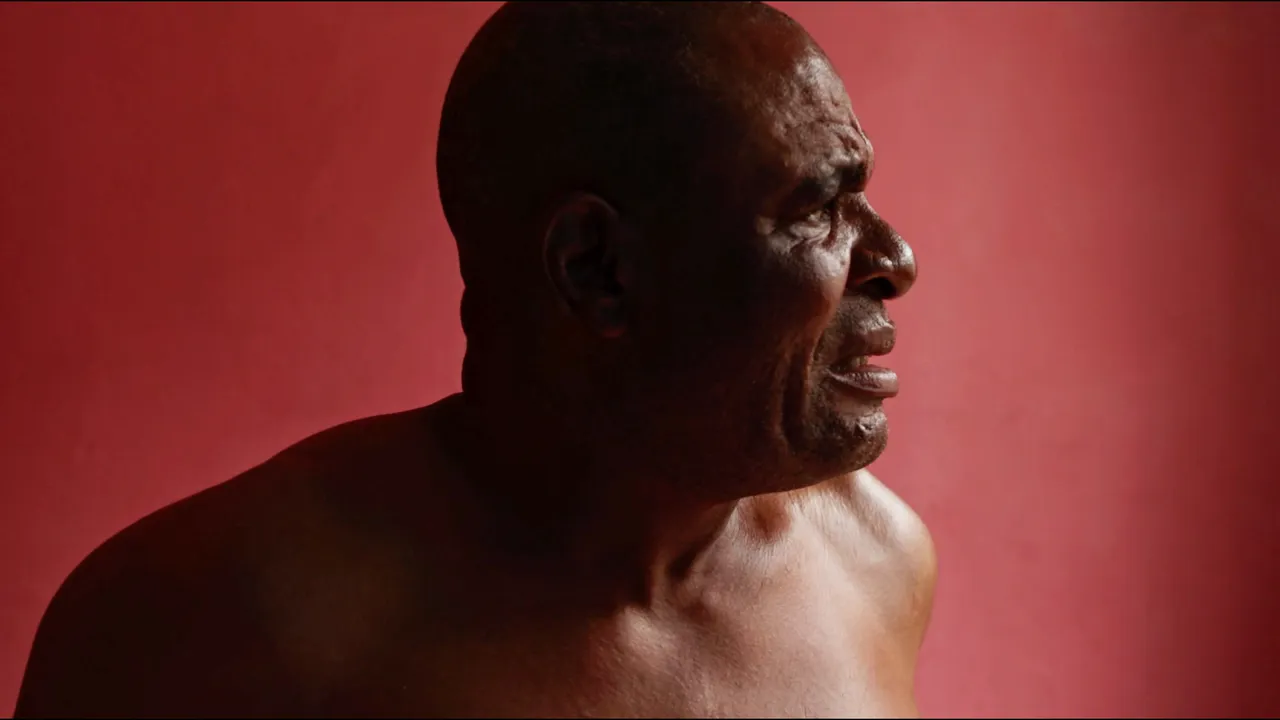
VERDICT: Director Derhwa Kasunzu offers a sad but pleasant account of a trio of heroic characters commemorating a dying sport.
The documentary Wrestlers is an elegy. A group of aging Congolese wrestlers battle the decline of their sport, their wages, and their bodies. They also want to craft a tribute to the late hero of their sport, a wrestler popularly known as Kelekele. Why wait for an uncaring government? They decide to stage a show.
The brand of wrestling here is similar to what you get with the WWE, only with much more basic production values. The setting, after all, is a small community in the Congo, a poor African country. As with that American staple, catch wrestling, as it is called, comprises a series of entertaining slapstick battles with heroes, villains, and made-up storylines, but the injuries, the aches, the pains, are very real. After one show, director Derhwa Kasunzu shows us scenes of recovery and treatment. There are massages, stiches, and attendant groans.
None of the wrestlers shown are rich, their hardened faces telling a part of their stories. But this isn’t quite a story about African privation, that eternally trendy subject. It is instead a story about a band of two men and one woman who have devoted their time and energies to an activity that, while still of some utility to an audience of devotees, has had a lot of its commercial viability vanish in recent years. Switch some of the elements, adjust the degree of decline, and Kasunzu could be telling a story about the state of traditional media businesses in 2025 or any other activity with fading profitability. A few festivals across Europe will find some benefit in programming this documentary, especially in French-speaking territories and if paired with other projects from sub-Saharan Africa.
In any case, Wrestlers is aware that its subject is as much business as it is corporal. We see a split scalp, some wrinkled skin, even a weaponised breast. But these images are neither graphic nor pornographic. They just are. It’s tempting to characterise Kasunzu’s camera as loving but that isn’t quite right. The film’s visuals do not pass any commentary on its images—not in the way the sheer existence of the documentary does. So that if Kasunzu didn’t train his camera on this subject, people outside of the it may not have existed at all, and the sport it documents might be forgotten in a few years. As one scene shows, not even Kelekele’s family has a surfeit of photos from his illustrious past. A similar thing may happen to the band seeking to immortalise their hero, but, at least, they have a film about their latter-day exploits.
The film’s ending leaves a lot to be desired but maybe there is a logic to its roughhewn conclusion. Go much further and the documentary becomes an unvarnished tragedy. Elegies, after all, sing of a death. But these characters deserve better.
Director: Derhwa Kasunzu
Screenplay: Derhwa Kasunzu
Cinematography: Pierre Maillis-Laval
Editing: Aurélie Jourdan
Sound: Corneille Houssou
Sound Design: Théo Carlinet, Pierre-Emmanuel Guinois
Music: Flamme Kapaya
Producer: Berni Goldblat
Executive producer: Berni Goldblat
Production companies: Les Films du Djabadjah (Burkina Faso)
World Sales: HAabebo Studios
Venue: IDFA (Best of Fests)
In Lingala, French
63 minutes