Berlin 2026: The American Question
.
VERDICT: The lineup of Berlin 2026 boasts some major US titles, but are they really what the festival needs?
In the context of the three biggest European film festivals, the Berlinale is a bit of a red-headed stepchild, owing to its generally less glamorous profile compared to Cannes and Venice. This concerns primarily the perceived lack of major American films in the Official Selection, something Berlin 2026 appears to want to amend with a few star-studded US titles, primarily in Berlinale Special and Panorama.
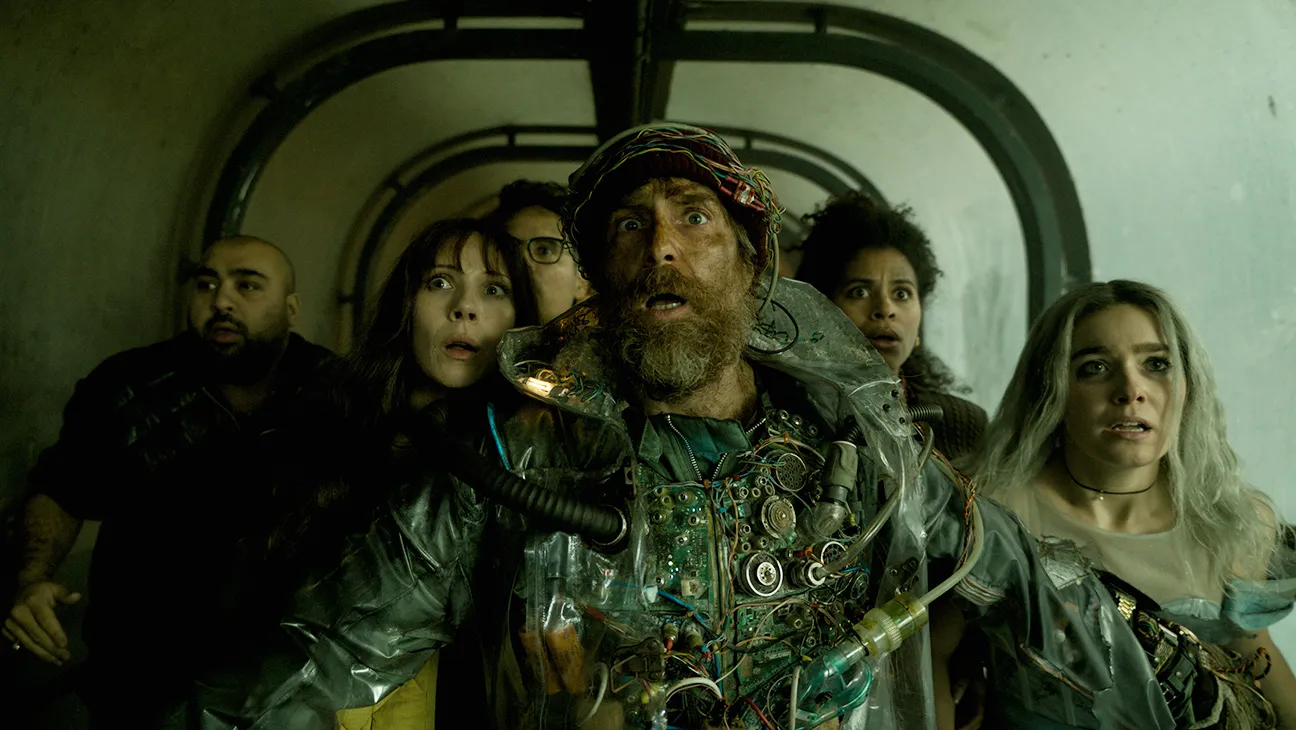
Across those two sections, the following talents are expected to be in attendance: Charli xcx (The Moment), Ethan Hawke (The Weight), Sam Rockwell and Juno Temple (Good Luck, Have Fun, Don’t Die), and Amanda Seyfried (The Testament of Ann Lee). Additionally, Channing Tatum and Gemma Chan will walk the red carpet for the Competition entry Josephine, as will Pamela Anderson for the European co-production Rosebush Pruning (an English-language remake of Marco Bellocchio’s blistering debut Fists in the Pocket).
There has been chatter, ever since she got appointed, that festival director Tricia Tuttle, previously in charge of the BFI London Film Festival, may have been a logical choice to make the Berlinale more palatable to mainstream audiences, after the five-year tenure of Carlo Chatrian whose tastes are more arthouse-oriented. Such reasoning, however, fails to give Chatrian credit for the more audience-friendly choices he made during his era: his first edition, in 2020, featured the world premiere of the Pixar film Onward (with Chris Pratt and Tom Holland on the ground to promote the movie), and in 2023 he bestowed the Honorary Golden Lion upon none other than Steven Spielberg, arguably the most populist living American filmmaker.
And there is another factor at play: leaving aside the fact that judging a festival’s success based on which big US titles – more often than not already with global distribution secured – are in the program kind of goes counter to these events’ mission of spotlighting what’s going on in terms of world cinema, people doing so tend to forget that it’s the festivals who have to court the studios, not the other way around.
When it comes to the big Hollywood machine, tentpole movies have their release dates locked at least a year before (usually two, sometimes even three), and the studios will then figure out if a festival close to those dates is worth including in the distribution and marketing strategy. Venice and Toronto, famously, have become launchpads for Oscar hopefuls, and Venice chief Alberto Barbera has been open about managing to secure certain titles over the years only because Cannes – where some of the concerned filmmakers had a long, established history – was way too early in the calendar.
Changes in the global calendar are also a huge element to consider: for most of Dieter Kosslick’s nearly two-decade tenure (2001-2019), it was still customary for Best Picture nominees to have their international rollout between January and April, resulting in Berlin being an ideal spot for an international, European or even just German premiere (compared to Cannes and Venice, the Berlinale has always been more liberal with a film’s premiere status outside of the main competition). Nowadays, with day-and-date patterns being the norm, it’s more complicated (which is probably part of the reason Locarno is actively looking into changing its dates from early August to late July), although that didn’t stop local cinephiles from (reasonably) assuming Marty Supreme might be part of the event’s program, as it will open in German cinemas on February 26, after the end of the festival.
Besides which, the Berlinale has proven, time and again, that it can fill auditoriums with a wide variety of titles, living up to its status as the festival with the largest regular audience in Europe. And to keep that momentum going, it doesn’t always, or just, need Hollywood. Case in point: the bold, but also quite sensible, choice for opening film this year – No Good Men, a self-described Afghan romcom that blends a viewer-friendly genre with topical material.