
Longtake Onetake Mistake
Longteikeu wonteikeu miseuteikeu
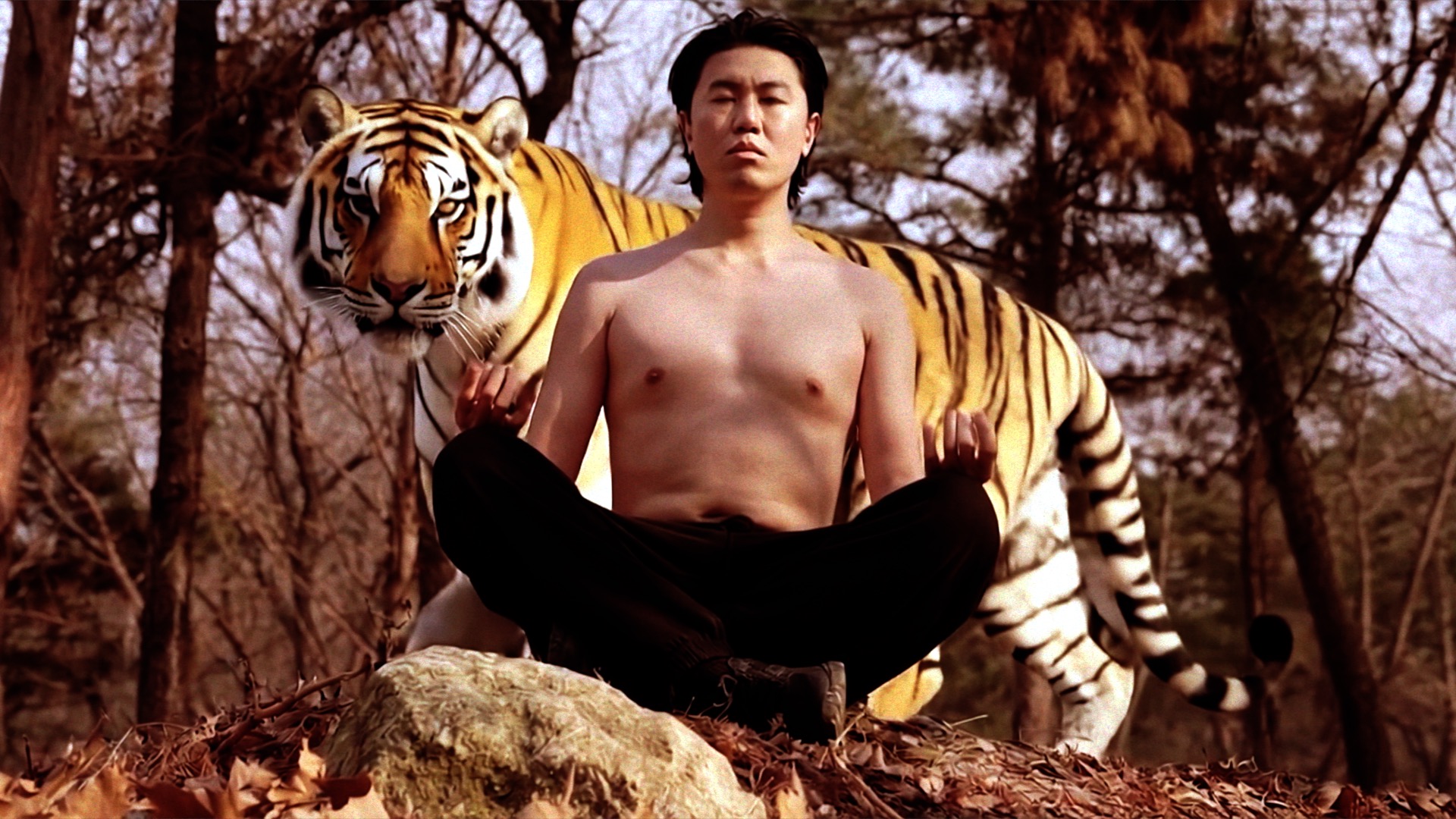
VERDICT: Self-avowed no-budget specialist and indie director Baek Seung-kee mixes absurd comedy, kitschily convincing AI-generated sequences and earnest commentary about the state of cinema in 'Longtake Onetake Mistake'.
No, it wasn’t shot in one take, it doesn’t have long takes, and it’s definitely not a mistake of a film at all. Returning to Korea’s genre film fest BIFAN for the sixth time with his sixth feature, self-proclaimed “C-movie” auteur Baek Seung-kee (Super Virgin, Super Origin, Super Margin – you get the drift) delivers what is probably his most serious and narrative-driven work through a down-and-out director-actor duo’s desperate attempt to regroup their long-estranged, misshapen crew for one last go at filmmaking. A shaggy (under)dog story fuelled by relatable characters teasing the bizarre out of the working-class ordinary, Longtake Onetake Mistake adds kudos to a filmmaker who has long seemed to crave just laughs and praise.
Much has been said about the influence of Hong Kong action movies – or, specifically, John Woo’s literally double-barrelled A Better Tomorrow – on Korean cinema. For Baek Seung-kee, however, inspiration lies with Stephen Chow and his brand of “mo-lei-tau” (nonsensical) comedy – or, specifically, Shaolin Soccer and its story about the triumphant second coming of a motley crew of retired football players. Nodding to the narrative of Chow’s 2001 film and bolstering his own screenplay with a few homages to that blockbuster’s key visual gags, Baek has created a story that is just as fun to watch and offers even more substantial insights into its characters’ struggle to relive their dream.
Baek’s previous film, Jango: Uncharged, reworks Django Unchained into a story about a man who sells himself as a slave to realise his sister’s filmstar dreams and ends up battling an evil producer called Leonard BitCaprio (really). A film that is at once a goofy spoof – with dialogue delivered in broken English, with matching subtitles – and a self-styled critique of real-life problems in the Korean entertainment industry, Jango: Uncharged ended up an incoherent mess. Longtake Onetake Mistake feels like Baek’s reflection on the errors of his ways, as he embarks on a simpler and more sincere way of getting his points across.
The film begins with aspiring actor Lee-yong (played by Baek’s longtime leading man Son Lee-yong) failing his 1,000th audition. Having had enough of a soul-sapping (and Seoul-strapped) life revolving around humiliating screen tests and a lonely existence in a small, spartan bedsit, he packs his bags and gets ready to leave for his hometown. That is when he runs into Chang-kyung (Oh Chang-kyung), the indie director who gave him his first (and seemingly only) on-screen part. But that was a long, long time ago; Chang-kyung now spends his days begging for loose change on the street and living in a flat with the power and water cut off.
Chatting their way through the night in the shivering cold, the pair eggs each other on to have a final crack at making a film. Unearthing a buried camera in a most dramatic and impossible way – just one of many fantastical scenes which mirror Stephen Chow’s absurdist, OTT slapstick during his heyday in the 1990s – Lee-yong and Chang-kyung rally themselves with the motto: “You don’t change the script to fit the conditions – you change the conditions to fit the script.”
Their delusions of grandeur are slowly chipped away both by others and themselves, as they travel around town to meet their former comrades. Along the way, they are chastened by the pain of the other actors. They are either brought to their knees working in vertical short-form videos or back-breaking stunt work, or having their passion for performance extinguished by the social and financial demands around them. These exchanges are brought to life by Baek’s irreverent sense of humour – and all thanks to the cast’s bravura in even the most ridiculous of scenes. But the conversations are also soaked in melancholy and seething with furious reflections on the future for filmmaking.
Inevitably, AI makes an appearance here, but in the strangest of ways. First it crops up in a conversation about the threat posed by technology, and then as an example of how it could help cash-strapped creatives (like Baek and his on-screen proxy Chang-kyung) in bringing their vision to reality. In the end, it doesn’t even matter if the gang will finally get to do what they want to do – it’s the journey that matters.
Director, screenplay, editing, production design: Baek Seung-kee
Producer: Kim Sung-tai
Cast: Son Lee-yong, Oh Chang-kyung
Cinematography: Yoon Jun-seo, Baek Seung-kee
Music: Jeon Joo-hee
Production company: Curuk2 Studio
Venue: Bucheon International Fantastic Film Festival (Fanta-scape)
In Korean
111 minutes