
The Lion at My Back
The Lion at My Back
VERDICT: Strong lead performances power Cypriot director Tonia Mishiali’s patchily plotted but moving drama of exploitation and resilience.
Cypriot director Tonia Mishiali’s The Lion at My Back, which screens in the International Competition at the Golden Apricot Yerevan International Film Festival on the close heels of its world premiere at the Karlovy Vary International Film Festival, is dedicated to all mothers and daughters — and in this broadbrush and uneven but sensitive and affecting drama, family is not only born, but can be found.
An initially transactional relationship based on survival between two women of different backgrounds and generations grows into a deep bond, as they try to rebuild their lives in a hostile environment of economic precarity and predatory exploitation in Cyprus. The title comes from the expression “a lion behind you and the sea in front of you;” in other words, where myriad dangers are all around, and courage is the only option.
Mishiali’s sophomore feature after 2018’s Pause, which also turned on an oppressed woman seeking escape, The Lion at My Back rests on the strong performances of its two leads. Elena Kallinikou is the prickly, guarded Stella, a forty-something drug addict in recovery on the precipice of spiralling back downwards. Sokhna Diallo is Mariama, an eighteen-year-old asylum seeker from Senegal, who doggedly holds onto optimism. Their raw intensity and flashes of vulnerability provide a solid, moving emotional core that propels the drama — even when the plotting, which favours vivid, symbolic moments over nuanced naturalism, stretches plausibility. There are enough surprising moments of real connection to make the film stand out among the many recent dramas about migration, ensuring it a wide festival run to come.
Both women have lost their families in adverse circumstances and are deep in financial straits and solitude, when they meet at a shelter where Stella is working. Now that she’s reached eighteen and official adulthood, Mariama must make her own way, but the obstacles to renting a room mean she starts sleeping rough, while looking for undocumented work. A roof, and under-the-table shift work at a butcher’s, come her way through Stella, who is also in need of a favour, in the form of help cheating on mandatory drug tests before an upcoming custody trial.
As Stella’s abrasive reactivity gradually thaws in Mariama’s company, she reconnects with a part of herself she blocked off when she lost care of her young daughter, Zoe, who she can now only see for brief moments with the clandestine help of a nanny. But the abyss closes in, as an abusive former partner, working for a crime ring out of a cavernous, dimly lit warehouse complex, endeavours to draw her back into the criminal underworld with the lure of earnings for sex work at fetish parties. Stella, who wrongly assumes Mariama is naive in the ways of a wolfish world, comes to realise that they share experiences of trauma at the hands of men.
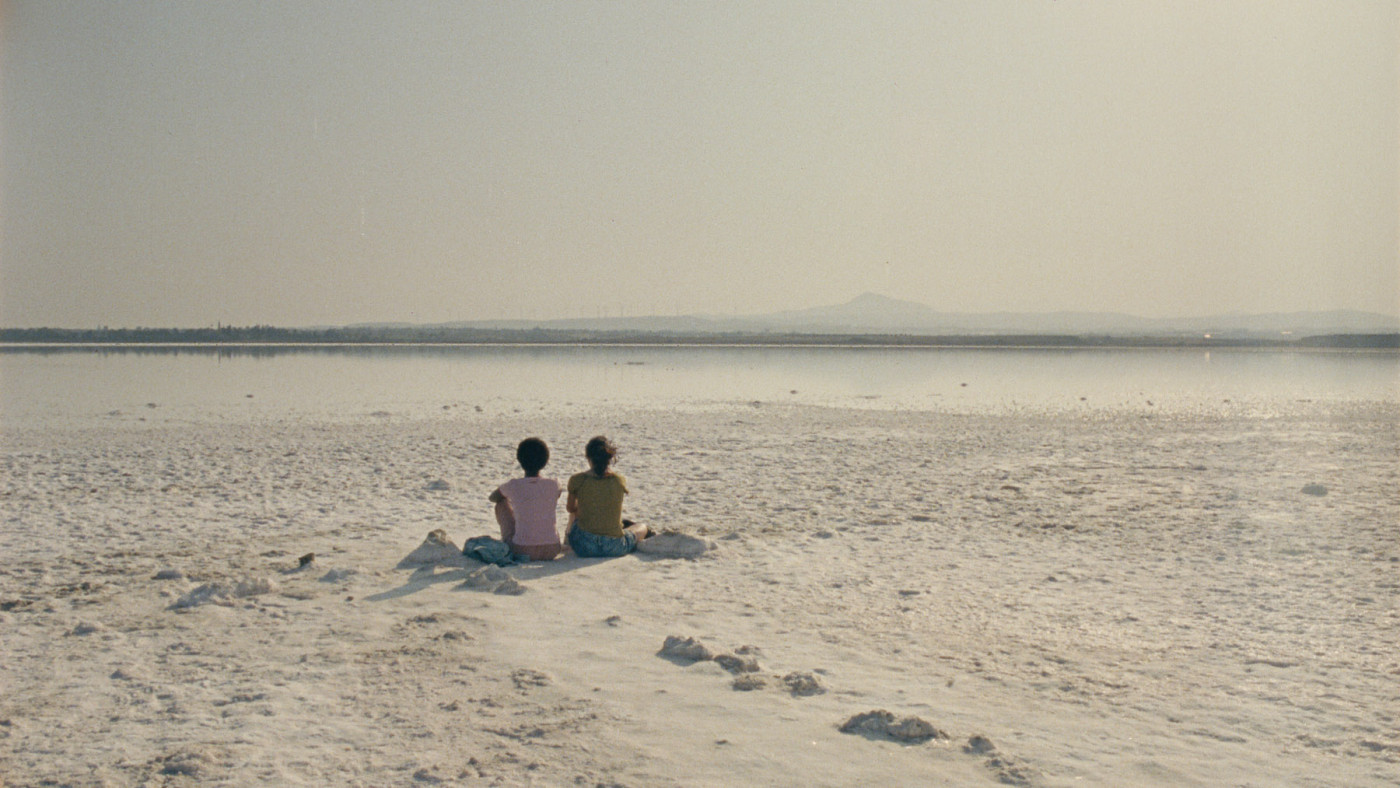
Close-ups in cramped rooms in the high heat of summer lend to the sense of panicked pressure and hemmed-in options, offset by impressive coastal landscapes and desert-like shores, effectively framed by D.O.P. Manu Tilinski to dramatise moments of togetherness in solitude.
The toll of survival in a hostile, predatory environment for those on the margins of society, the difficulty of regaining a foothold in legal means of subsistence, and the systemic way in which traffickers and other corrupt, cynical predators exploit the most vulnerable for labour are themes threaded through various story threads. Suspense is created from whether the risk of trust will pay off (Mariama’s budding romance at work, for instance, plays out like it may go either way, toward comfort or a derailing betrayal.)
Broad psychological truth is prioritised over plot cohesion, in a drama that leans a little too much into coincidence, and spectacular allegory. The weakest scene occurs in the fetish dungeon of a pink-lit, maze-like sex club, where the BDSM scene is rather lazily equated with non-consensual dehumanisation. A clandestine van journey to intercept migrants in a border buffer zone that Mariama tags along on also stretches credibility. But, in this lawless jungle of few protections and a thin line between opportunity and entrapment, hope and resilience are allowed to take on a powerful, restorative form. Playing in water becomes a refrain of cleansing and joy, as dignity and agency are returned to two women relearning how to be present in simple shared moments.
Director: Tonia Mishiali
Screenwriters: Tonia Mishiali, Dianne Jones, Simona Nobile
Cast: Sokhna Diallo, Elena Kallinikou, Prokopis Agathocleous, Herodotos Miltiadous
Producers: Tonia Mishiali, Katarzyna Ozga, Nicolas Steil, Marinos Charalambous, Vladimir Subotic, Antoine Simkine
Cinematographer: Manu Tilinski
Editor: Emilios Avraam
Sound design: Kevin Feildel, Loïc Collignon
Music: Fredrika Stahl
Production companies: Bark Like A Cat Films, Iris Productions, Avaton Films
Sales: The Yellow Affair
Venue: Yerevan (International Competition)
In Greek, English
106 minutes