
Al Baraneya
Al Baraneya
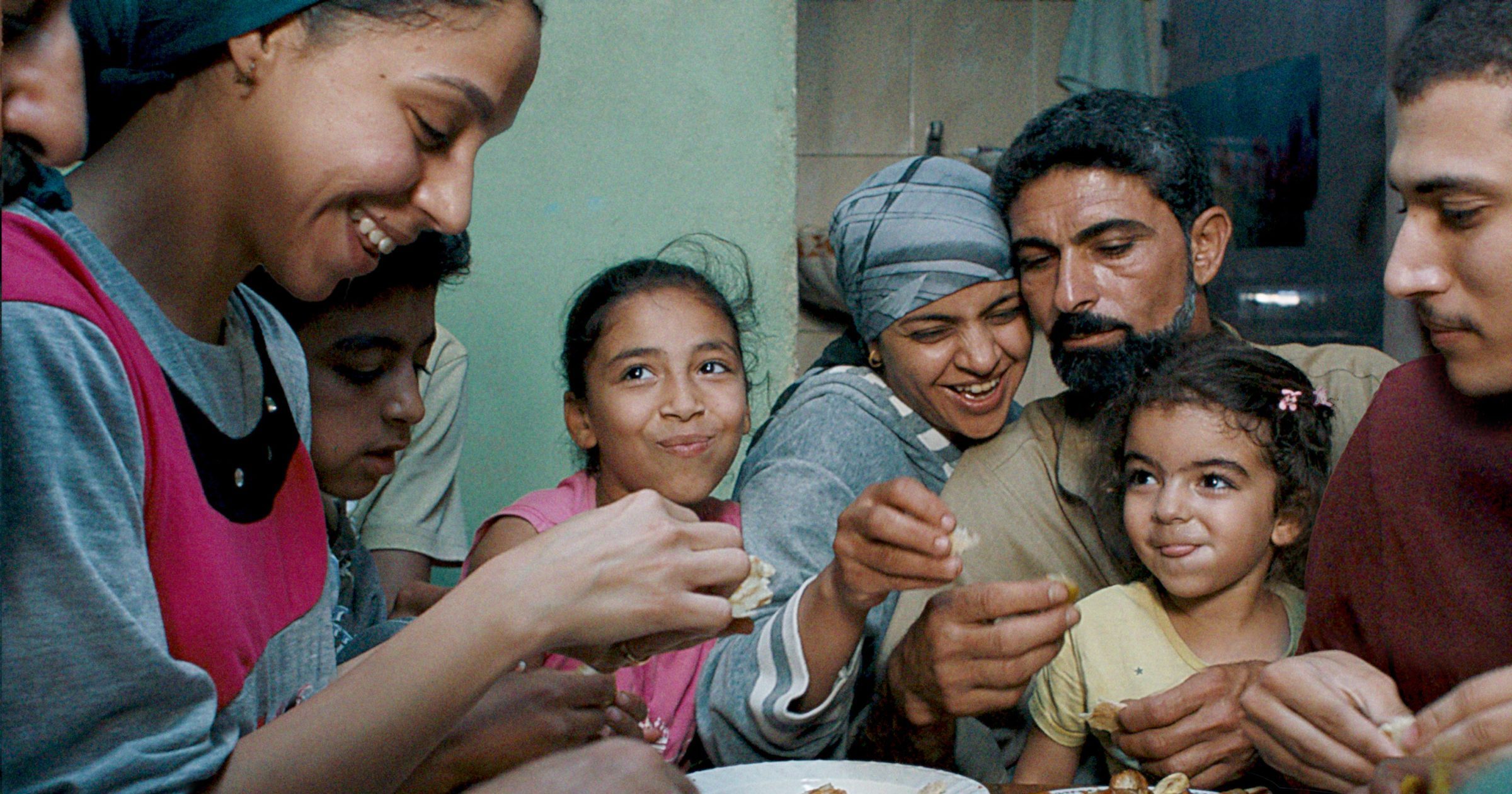
VERDICT: Ashgan El-Hamus’s loosely structured first feature ‘Al Baraneya’ uses a mosaic of scenes from rural Egyptian life to champion both a close-knit community and women’s right to choose their own lives.
Awash with all the color and liveliness of a rural community on the outskirts of Cairo, the village of Al Baraneya is the rightful subject of the impressionistic first feature film by Ashgan El-Hamus, whose family hails from the area. The writer-director, who studied at the Netherlands Film Academy and is an award-winning short filmmaker, does a deep dive into the intimacy of a large, noisy, chaotic family — most of them females — drawing the viewer into the unfiltered, overwhelming feelings of love that bind them together and to the land of their ancestors. It bowed in the Giornate degli Autori section at Venice.
Composed of extremely realistic, loosely edited snippets from many lives, including the children’s, Al Baraneya often carries the autobiographical feeling of a personal documentary. It’s only gradually that one character emerges at the epicenter, and that is Amal (Reem Amer), the eldest of five sisters who dominate the house like a band of playful kittens. The difference is that Amal is married and visibly pregnant with her first baby, and she recognizes the end of her carefree childhood is at hand.
For the menfolk, childhood is long gone and economic realities are making life harsher. Amal works alongside her father Sayed and other relatives as they cut tall dry wheat with hand scythes. By night, the women strap headlamps to their foreheads and go back into the fields to pick jasmine, which they string into perfumed necklaces. These are sold by the younger girls to passengers on passing trains.
Although the family, which includes a bed-ridden but influential grandmother, are barely keeping their heads above the poverty line, they are blessed with one treasure: they own the lush wheat field — family property that provides them with their livelihood and which will be proudly inherited by their children. But when a stranger drives up one day and makes them an offer to buy the land, suggesting the family can move into more spacious quarters in Cairo, it is hard to resist, setting off long-hidden desires and stirring conflicting opinions.
With this momentous decision looming in the background, El-Hamus sidesteps a predictable narrative to settle on Amal and her pregnancy. When her cousin Rania, a beautician in Cairo, pays a visit to the village laden with gifts for the girls like pink hoodies and fake nails, jeans and TikTok videos, Amal starts to dream about what life outside the traditions and confines of her community might be like. Her small acts of rebellion and independence greatly disturb her mother and her young husband, but reveal Amal’s strong personality and spirit.
At times the screenplay, penned by the director and Roelof-Jan Minneboo, can seem overcrowded with distractions and repetitions, like the four young daughters perilously hanging out at the train stop day in, day out trying to sell their jasmine trinkets. There are also non-diagetic scenes that come out of nowhere, like a young boy whose beautiful voice sings a religious song in what seems to be a mosque. But the open-faced style is consistent throughout the film and distinguishes Al Baraneya from many over-processed screenplays that have been through too many European project markets. The film is a Netherlands-Saudi Arabia-Belgium-Egyptian coprod.
Visually the film is highly eclectic. Douwe Hennink’s cinematography makes no attempt to prettify the harsh interior lighting, while exteriors are often softened into a mass of pastel-colored walls or composed frontal shots that capture the mystery of a covered street or a village funeral procession.
Director: Ashgan El-Hamus
Screenplay: Ashgan El-Hamus, Roelof-Jan Minneboo
Cast: Reem Amer, Fatma Ibrahim El-Hamus, Nadia Ahmed El-Hadary, Asmaa Ahmed El-Hadary, Farida Alsayed El-Hamus, Fatma Farahat El-Hadary, Sara Ali El-Hadary
Producer: Frank Hoeve
Cinematography: Douwe Hennink
Editing: Dieter Diependente
Production design: Clara Bragdon
Costume design: Nada Adel
Music:
Sound: Taco Drijfhout
Production companies: BALDR Films in association with Seera Films, CzAR Film
World Sales: MAD World
Venue: Venice Film Festival (Giornate degli Autori)
In Arabic
84 minutes