
Auteurs, Animations and Academy Awards: Busan 2026
.
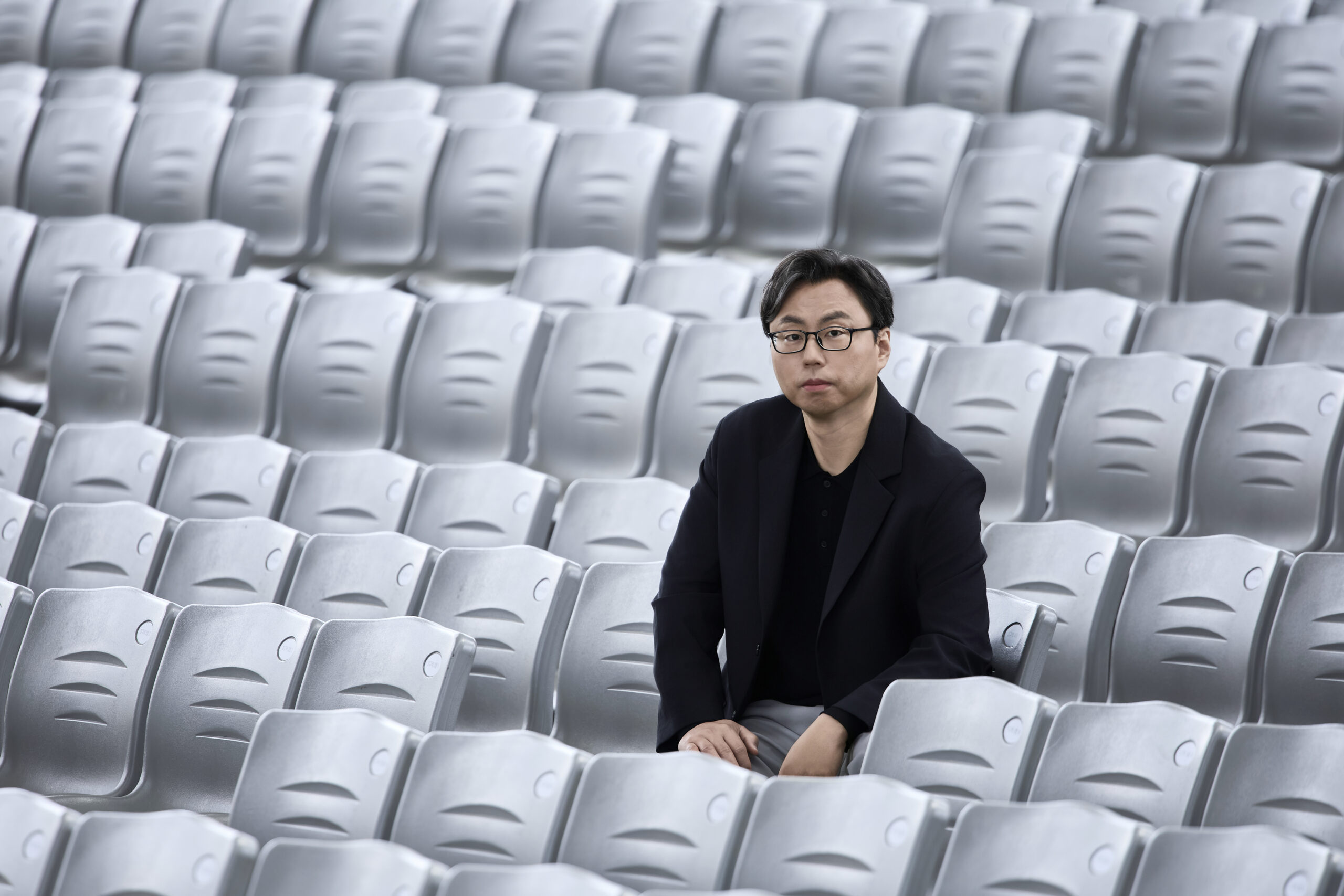
VERDICT: On his second round as Busan's festival director, Jung Hanseok reaffirms the festival's mission as a showcase for Asian talent and quality filmmaking, while giving audiences a memorable experience.
When he took the helm of Busan International Film Festival last year, Jung Hanseok brought about a raft of changes – not least among them, the launch of the festival’s first-ever top-tier competition. A year onwards, the former film critic talks to The Film Verdict about how those new initiatives are holding up, the selection process for this year’s festival, and the popularity of animation movies – something that is crucial to Busan’s programme, and also a testament to the festival’s commitment to the fun and joyful experiences of its audiences.
THE FILM VERDICT: Having established itself as a “competitive festival”, BIFF was named a few months ago as one of the six international festivals where the top prize winners would be accepted as a submission for the Academy Award for Best International Feature Film. Do you think your decision to gamble on an Asian-films-only competition has paid off?
Jung Hanseok: It would be an exaggeration to say our Competition section made huge progress in just two years. But I think this little adventure has attained a couple of achievements, such as BIFF making it as a FIAPF A-List festival and the Busan Award [best film] winner qualifying as a submission for the Oscars. We believe our decision to establish the competition section partly contributed to this recognition, although it wasn’t our objective. The competition signifies BIFF’s long-term endeavor to continue supporting the progress of Asian cinema and discovering new talent. Still, I believe the pleasant news from abroad in its second year motivates the festival as well as the filmmakers and professionals who pay attention to BIFF.
TFV: What did you and the programmers focus on most when selecting competition titles, and how did it turn out?
Jung Hanseok: We care deeply about the section’s successful and continued progress. To that end, we needed artistically excellent titles more than anything, and that’s what we looked for. Compared to the first year, we have more titles featuring star actors from different Asian countries, which means the key industry professionals’ reactions have been more favorable. We also have titles from master filmmakers, like legendary Iranian director Majid Majidi, alongside several newcomers, which is what we have always imagined this section should look like.
For Korean cinema, the global notion that most noticeable South Korean works are always genre-focused is only half true. We have three Korean films in competition this year, all very different from each other. Beach Fictions clearly borrows from Hong Sang-soo in its sentiment, structure, and characters but aspires to be more crowd-pleasing and flexible. A rarity in the Korean film industry, animated Long Long Night displays universally identifiable sensibility and appeal. The suspense thriller Shaving maintains the excellent skills many Korean genre films have developed so far.
TFV: There are three Special Programs in Focus this year. Aside from the two actor-themed programmes, Japanese Animation Special stands out for both the number of titles and its range. What prompted the festival to prepare this section?
Jung Hanseok: We all witnessed K-pop Demon Hunters rocking the whole world. Last year’s number-one box office films in Japan and China were both animations. In short, animation is making a major impact globally. Among other things, a film festival is obliged to showcase the frontiers of the world of cinema, and animation is one of them. Because we still needed a framework, we decided to do a case study by tracing the history of animation produced in Japan, a traditional animation powerhouse, along with new films coming out this year.
We had a few conditions when choosing the titles: firstly, the films must have provoked an artistic debate upon its release or it must possess a pioneering vision. Secondly, the film must be made with a theatrical release in mind. And thirdly, the film must have never been shown – or at least rarely – to Korean audiences. Finally, it’s not something by Hayao Miyazaki or Isao Takahata, whose greatness is too well-known. I believe the current sense of cinema is changing. Animation is playing and will play a major part in it, so I hope this program reflects that.
TFV: BIFF has a tendency to choose a Korean film to open the festival, although not always. Last year, No Other Choice was picked when it already enjoyed considerable international attention after its premiere at the Venice Film Festival. This year’s The Table: Day and Night is having a world premiere at BIFF. What is the festival’s view on choosing an opening film?
Jung Hanseok: We maintain the same standard for choosing an opening film as last year: it should be enjoyed by all 5,000 people attending the ceremony. We do not want to have fixed criteria, nor do we artificially look for diversity. The only thing certain is our will to choose an audience-friendly film that could kick off our festival in a joyous way. This flexibility will continue next year.
TFV: BIFF has a very interesting list of guests coming to town for the festival’s masterclasses and special talks. The festival has just confirmed Mexican director Alfonso Cuarón’s first-ever visit to the festival – and South Korea in general – and the presence of French screen icon Charlotte Gainsbourg. This seems to suggest the festival is making a persistent and devoted effort to host high-profile guests. Is it because you believe the festival should provide audiences with other “experiences” rather than just great films?
Jung Hanseok: In short, yes. Having major guests is important to provide better experiences to our visitors. When we let the audience cheer for the filmmakers and stars so they eventually feel closer to the film itself, I think we contribute to film culture in a very interesting, positive way.
I also want to highlight Cine Class, a program we launched last year to hear from filmmakers about the more intimate and personal side of their work. We started with four sessions last year and nearly doubled to seven this year. The audience seems to love it, as the seats are already all sold out.
TFV: What do you hope the filmmakers and the audience who come to visit the 31st BIFF will say when they leave?
Jung Hanseok: I will always have the same answer to this question. For filmmakers and audience alike, I wish they would have fun and take away meaningful memories and nothing more.
Interview by Cho Hyo-jin