
Bára: Diary of a Rock Star
Bára: Diary of a Rock Star
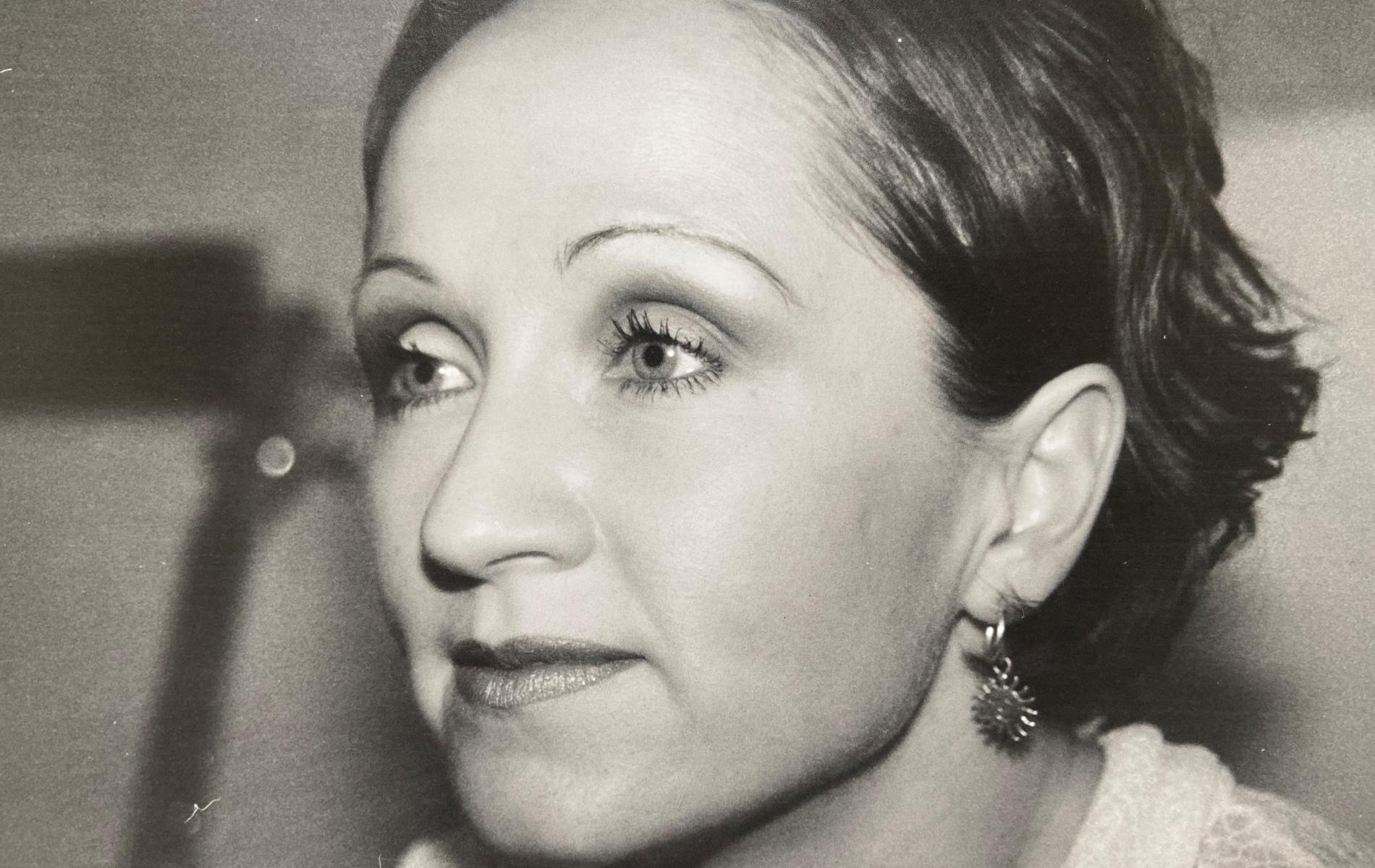
VERDICT: Drawing on 30 years of footage, Helena Treštíková assembles an intimate, darkly funny portrait of Czech rock star Bára Basiková, using the passage of time to expose the distance between romantic hopes, domestic realities, and public image.
A successful rock singer can perform before thousands of fans and still struggle to pay the bills, keep her marriages together and raise kids. This contradiction is at the heart of Helena Treštíková’s engaging and often painfully funny Bára: Diary of a Rock Star, screened in the International Competition Documentary Film at DOK Leipzig following its bow at Karlovy Vary, where it won the Právo Audience Award. Drawing on nearly 30 years of filming and archival footage, the Czech documentarian finds more interesting material in the iconic rock singer’s domestic troubles than in her musical achievements. The resulting 97-minute film has an appeal extending beyond Bára Basiková’s Czech fan base, making it an interesting prospect for European cultural broadcasters as well as festivals with a focus on documentaries, music and women’s stories.
Treštíková began filming Basiková in 1996 because she was intrigued by her family’s unconventional division of labor. The singer earned the money while her husband stayed home with their twin daughters. However, the marriage soon ended, and the director kept returning to follow Basiková’s life. More husbands, another child, and periods of financial instability followed. Breaking the usual music documentary format, Treštíková doesn’t try to to explain everything in hindsight. Rather, she lets the iconic Czech rocker record her assessments of the different situations she finds herself in as events unfold, allowing later scenes to contradict earlier certainties.
This narrative method allows romantic upheavals, funny situations, and sad moments to land with their full force. As a new husband enters the family circle, he arrives with promises of happiness and stability. However, years later, Basiková speaks of betrayal, regret, or another separation. The chronological editing turns these reversals into a pattern that the audience may recognize before she does. Occasionally, the succession of disappointments becomes darkly funny, but the documentary never ridicules its subject while exposing the gap between experience and expectations.
Use is made of her early TV appearances and performances with Czech rock groups. Concert footage is brief, and the film is less concerned with explaining Basiková’s career achievements than showing how touring, recording, and being a rock star take their toll, while revealing the hard work required to sustain success. Her career comes into focus when it collides with the demands of family life. As a young mother, Basiková remembers being warned by people in the music industry that singers should not have children. She rejected this advice, but wonders how much time she really spent with her daughters. We watch as she reluctantly leaves her infant son for a job she had already accepted. In another sequence, heading out to a gig, she leaves instructions about the washing. Such ordinary details say more about the tension between career and caregiving than any general declaration about women’s roles in the household.
Basiková is clear that her husbands and partners helped her raise the kids, but their contribution did not always extend to earning a living. During one financial crisis, she says that only 750 Czech crowns remained in her bank account. After her third marriage deteriorates, she is paying for four apartments, including one for her estranged husband. She also takes a singing engagement with the Alexandrov Ensemble, acknowledging that her father would have disapproved of performing with the Russians, but that she needs the money. Her celebrity is no guarantee of financial stability or security.
Treštíková’s skill in making the most of her unusual access to Basiková over the years allows her to capture moments of deep depression, as the singer struggles to maintain a high-energy, cheerful public persona in the media while also being expected to fulfill maternal care roles. In several scenes, Basiková opens up about the collateral damage to her family, acknowledging the emotional toll her nomadic career placed on her offspring. This intimacy and rare vulnerability give the film its best material, shedding light on the raw, unfiltered emotional cost of artistic careers and also revealing the quiet taken-for-granted sacrifices women make when balancing creative survival with family life. It is a reality that even a badass and well-known rock star like Basiková has experienced.
As a singer, the film gives comparatively little attention to her artistic development, yet music is not incidental. Songs and performances are used to comment on her private life, including a theatrical number about forgiveness placed amid a marital conflict. The wider Czech political changes that are taking place remain mostly in the background. These omissions arguably can make for an incomplete account of Basiková as an artist and public figure, putting the emphasis on an involving, intimate portrait of her as a worker and a mother. Viewers might see as liberating for Basiková. As she tells Treštíková during the film, maintaining a public image means always appearing strong and happy, while the director allows her to drop that mask and go beyond her public image.
The film’s changing visual texture reflects its 30 years of production, incorporating VHS weddings, digital footage, and television archives. Around ten cinematographers worked on the project, and the varying image quality becomes a visible testament to passing time. It must have been a tough job for the director and her editing team, Adéla Špaljová and Jakub Hejna, to condense the extensive raw footage into just 97 minutes while preserving a chronological approach. The successive marriages acquire an occasionally dark comic rhythm as Basiková’s enthusiastic declarations about new relationships are followed by accounts of their dire collapse. These contrasts keep the story engaging, although some episodes in the singer’s professional life receive only passing attention. One example of the filmmaking’s strengths is a scene where Bašiková breaks down in tears while breastfeeding in a maternity ward, demonstrating the intimacy made possible by Treštíková’s prolonged involvement.
As the ricker turns 60, her grown children organize a birthday celebration for her, providing an affecting finish to the film. After years of money worries, renewed hopes, and divorce, this family gathering offers a moment of happiness without suggesting that everything has been settled. The film returns to a Bessie Smith song that she sang as a girl, an effective way to close a story that has not yet ended.
Director, screenplay: Helena Treštíková
Producers: Katerina ?erná, Pavel Strnad
Co-producer: Alena Müllerová
Cinematography: David Cysa?
Editing: Adéla Špaljová, Jakub Hejna
Sound: Petr Šoltys
Production company: Negativ Film Productions
Co-production companies: Czech Television, innogy, Miro Agency
Venue: DOK Leipzig (International Competition Documentary Film) – International Premiere
In Czech
97 minutes