
Godzilla Minus Zero
Godzilla Minus Zero
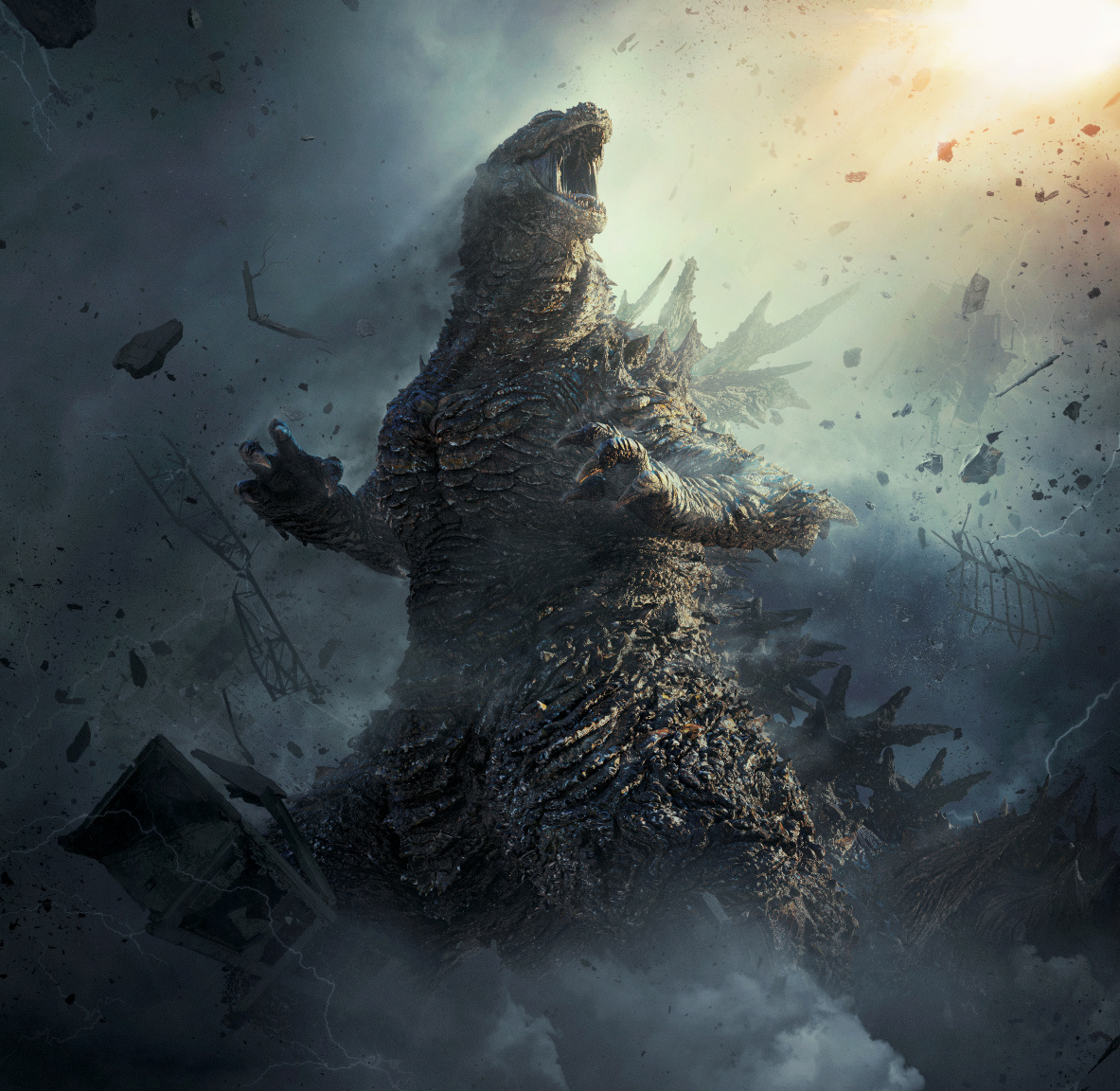
VERDICT: Even without the shock of the new delivered by its predecessor, this sequel to the Oscar-winning kaiju epic delivers both human emotion and monster stomping.
Considering that Godzilla Minus One completely reframed and revitalized one of world cinema’s most longstanding and beloved franchises, what could its sequel, Godzilla Minus Zero, possibly do for an encore? Wisely, returning writer-director Takashi Yamazaki pays off our investment in his human characters while continuing to find new metaphorical possibilities for his titular kaiju superstar.
With its R-rated scenes of mayhem and destruction, along with one character’s devastating flashbacks of surviving the atomic bomb, Godzilla Minus Zero continues to stretch the parameters of what a Godzilla movie can show, do, and explore while still maintaining the appeal and exhilaration of this decades-old creature-feature franchise.
It’s 1949, two years after the events of the previous film, and a new horror has descended upon Matsumoto, east of Tokyo: Ghidorah, a giant winged creature with atomic breath and a decidedly anti-human attitude. Scientist Noda (Hidetaka Yoshioka) now works for the government in disaster management, and he assembles a team to deal with the new crisis, turning to new characters like hyper-intuitive meteorologist Makoto Aoyama (Masami Nagasawa) and returning ones, including haunted former kamikaze pilot Kôichi Shikishima (Ryûnosuke Kamiki).
Shikishima tries to stay out of the action, having sworn to stay alive for his family, wife Noriko (Minami Hamabe) and daughter Akiko (Sae Nagatani). The Shikishima clan nonetheless finds themselves at the center of this latest monster attack; at the insistence of the other pilots, Kôichi is drafted to lead an air raid on a sleeping Ghidorah, while Noriko discovers she has her own role to play in the crisis, tied to previously undisclosed information behind her miraculous recovery from Godzilla’s attack in the previous film.
Godzilla, of course, seemed to have died at the end of Godzilla Minus One, but the big guy always bounces back. And when an attempt to use lightning to kill Ghidorah only causes a mutation that turns the monster into the three-headed King Ghidorah, onetime menace Godzilla might be humanity’s only hope. Humanity, for its part, may not necessarily deserve to be saved, between the U.S. army’s desire to weaponize not just Godzilla (shades of every corporate lackey in the Alien franchise) but also specifically gifted members of Noda’s team. Godzilla has always, of course, stood in for the destructive force of atomic weaponry, and making him a potential tool of the Cold War–era superpowers certainly enhances that idea, pointing a more direct finger at the USA than the original films might have dared.
Much of the advance publicity for Godzilla Minus Zero has surrounded the IMAX cinematography, a first for a Japanese production, and returning director of photography Kôzô Shibasaki makes the most of the format, from a stunning aerial dogfight between fighter planes and Ghidorah to the final monster-on-monster showdown amid the rubble of Tokyo’s Ginza district, still in ruins after being previously destroyed by Godzilla. In addition to the giant-screen sights the film offers, it’s also a treat to hear Naoki Satô’s beautifully crafted score come booming through the big speakers, providing emotional heft to the intimate moments while also providing triumph and terror to the monster sequences.
Yamazaki seems to have learned how not to make a Godzilla movie from recent Hollywood attempts to revive the Toho legend, and while he never skimps on the big kaiju battles that audiences crave, he also understands that the space between those skirmishes has to be filled with emotionally resonant characters. Kamiki and Hamabe are heartbreaking as a couple who have already weathered so much pain and misery (not just from Godzilla, but as two people who survived World War II) yet still find themselves going once more unto the breach. They have a number of poignant farewells and reunions with young Nagatani, and these aching scenes form the film’s emotional core, alongside Min Tanaka’s Dr. Murakami, driven by vengeance after losing his family in Hiroshima.
No sequel can ever quite deliver the fresh jolts of its predecessor, but Godzilla Minus Zero plays off of what worked last time without ever feeling like a retread. Viewers want to see Godzilla stomp on things, sure, but they also have an investment in the human characters, and this new film delivers both with breathtaking thrills and genuine feeling.
Director: Takashi Yamazaki
Screenwriter: Takashi Yamazaki
Cast: Minami Hamabe, Jun Kunimura, Ryûnosuke Kamiki, Hidetaka Yoshioka, Masami Nagasawa, Sae Nagatani, Sakura Andô, Miou Tanaka
Executive producer: Hisashi Usui
Producers: Gô Abe, Minami Ichikawa, Kazuaki Kishida, Keiichiro Moriya, Taichi Ueda
Director of photography: Kôzô Shibasaki
Production design: Anri Jôjô
Editing: Ryûji Miyajima
Music: Naoki Satô
Sound design: Natsuko Inoue, sound designer
Production companies: Toho, Robot Communications
In Japanese
135 minutes