
Luanda 2026: The Verdict
.
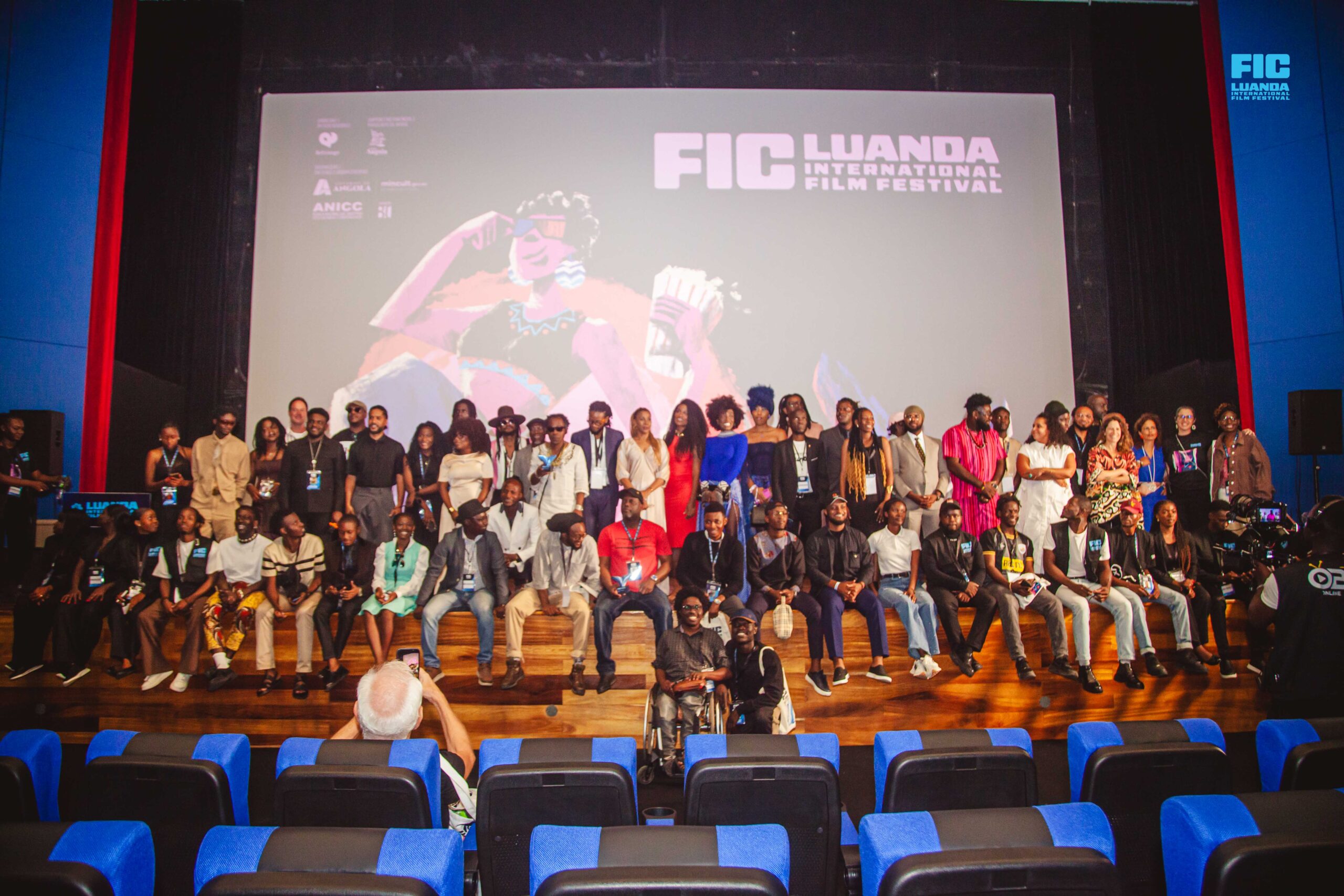
VERDICT: Under new management, the first edition of the revived FIC Luanda Intl. Film Festival screened a variety of Angolan and African cinema and aimed to grow into a major African event.
Scott Fitzgerald, a sometime screenwriter, famously noted that “there are no second acts in American life” — and he may have been right about his country. But over in Angola, a film festival claimed a second life over the past week, reviving the Luanda International Film Festival after close to a dozen years of dormancy. So moribund was it that at various times during the festival, different people associated with it couldn’t state exactly how long FIC Luanda, as the festival is fondly called, had been absent. Was it 10, 11, or 12 years?
But perhaps there is no need to remember the dark days of the past. Reborn in the Angolan capital, FIC Luanda brought in guests from across and outside of the continent with an obvious, and transformative, agenda articulated by Filipe de Pina Zau, head of the Angolan Ministry of Culture. “With this edition,” he wrote in an introductory note, “FIC Luanda aims to restore Luanda’s place among Africa’s major film festivals, establishing itself as a meeting point for filmmakers, industry professionals, and audiences.”
We’ll know if that aim is met in the coming years. For now, it is enough to say FIC Luanda is off to a great start. And it’s done so by putting cinema first. International film festivals live, die, and are judged by the quality of the films showcased. (At least, when not killed by a state’s inability to understand the pertinence of cultural matters to its soul.)
On offer were Angolan cinema, Nollywood, European projects, and a slice of the African diaspora. As with every film festival, the quality was uneven. The main, thing, however, especially for a returning festival, was that one could tell the festival’s programmers were thinking hard when they put the programme together. Rather than go for the best of the best of Angolan and African movies, a tricky manoeuvre for a somewhat new festival, the team appears to have wisely gone for a snapshot of the African film landscape in 2026.
What does the snapshot show? A continent pursuing two sometimes overlapping ambitions: figuring out local audiences and seeking recognition outside of the continent. This meant that alongside Rafiki Fariala’s Congo Boy, which enjoyed quite a bit of acclaim at Cannes, it was also possible to see a selection of Angolan cinema from filmmakers who are yet to attract any attention outside of their country and may not be actively seeking that at the moment. It was, however, a touch unfortunate to not have these filmmakers take the chance to present their work in the best possible ways to foreign nationals, who otherwise may never see these films.
Does it matter that some Angolan filmmakers were unprepared for the opportunity? Perhaps not. But things like poster design and making a list of credits accessible to the media and the curious public are neither unreasonable demands.
This gap, between the ideal filmmaker and the Angolan filmmaker, could be a chance for FIC Luanda going forward. Several of the masterclasses discussed issues in African filmmaking today. In the future, helping local filmmakers prepare adequately even for a local audience could be a worthwhile subject for a masterclass or workshop. It’s the kind of thing that could make Angola become important to the continent’s cinema as it becomes “neither a stage not a mere spectator,” in the words of FIC Luanda’s festival director, Jorge Cohen.
Cohen’s team invited Nigeria to be guest country this year for obvious reasons. It is certainly the most successful country on the continent in cultivating a national audience while actively chasing international celebration. My Father’s Shadow, Nigeria’s first entry in Cannes’ competitive section Un Certain Regard and the recipient of a Special Mention for the Camera d’Or prize, was screened, as was Sundance winner Mami Wata.
On the non-festival side, the immensely successful commercial juggernaut Call of My Life also played at the festival. But perhaps the exemplary showcase from Nigeria was Kewa Oni’s The Odds, a film that one might say exists in between different kinds of Nigerian projects. At the film’s open-air screening, a slew of young people enjoyed the tale of a young man’s attempts to cash out a betting ticket.
That nighttime screening, done many kilometres away from the newly renovated and commissioned Cinemateca Nacional, revealed one of the blind spots of FIC Luanda’s young team. As the film played, headlights from the road bouncing off the large screen made it impossible to see the film’s darker scenes, which was a big chunk of the running time. It was the kind of problem that an experienced team may have faced in the past and fixed, but this is a first edition and errors are inevitable.
Another error wasn’t as inevitable. Several screenings had no indication what language a film and its subtitles were in. One had to journey to the cinema, perhaps grab the first popcorn pack available, and then wait to either be gratified or irritated. For English speakers, the irritation was in abundance.
This feature puts FIC Luanda in the same category as FESPACO which, decades after its inception, has yet to understand that the international language for cinema is English. For its part, FIC Luanda did translate during some of its live programmes, which is commendable. It’s also willing to correct this oversight, as the leadership team promised when its attention was drawn to the matter. There is little use inviting English speakers to a film festival if they can’t access a significant number of the films, or figure out which films they should spend their time on.
One other sign that the festival just returned was on the streets of Luanda — or, more accurately, it wasn’t. Around the city, it wasn’t exactly obvious that FIC Luanda was going on, in contrast to the big festivals around the world that see their logos adorning major sites in the city as a publicity push. Viewers still packed certain screenings, but it might have been even more packed if more residents were aware that their city’s biggest film festival had returned.
In other words, FIC Luanda is itself in a similar position to African cinema in that both entities are chasing two sometimes overlapping ambitions. There are directly cinematic concerns for the festival—getting its local filmmakers ready for international guests among other things. It also has to figure out how to get more people into its newly renovated film theaters.
Those are not easily handled issues. But from the sheer number of complex things the FIC Luanda team managed to do for the first edition of a returning festival — like convince established film professionals to show up, screen a variety of films, organise multiple venues, largely stay on time in a bustling African city — it is obvious that Cohen and his team are up to the challenge.