Rotterdam 2026: The Verdict
.
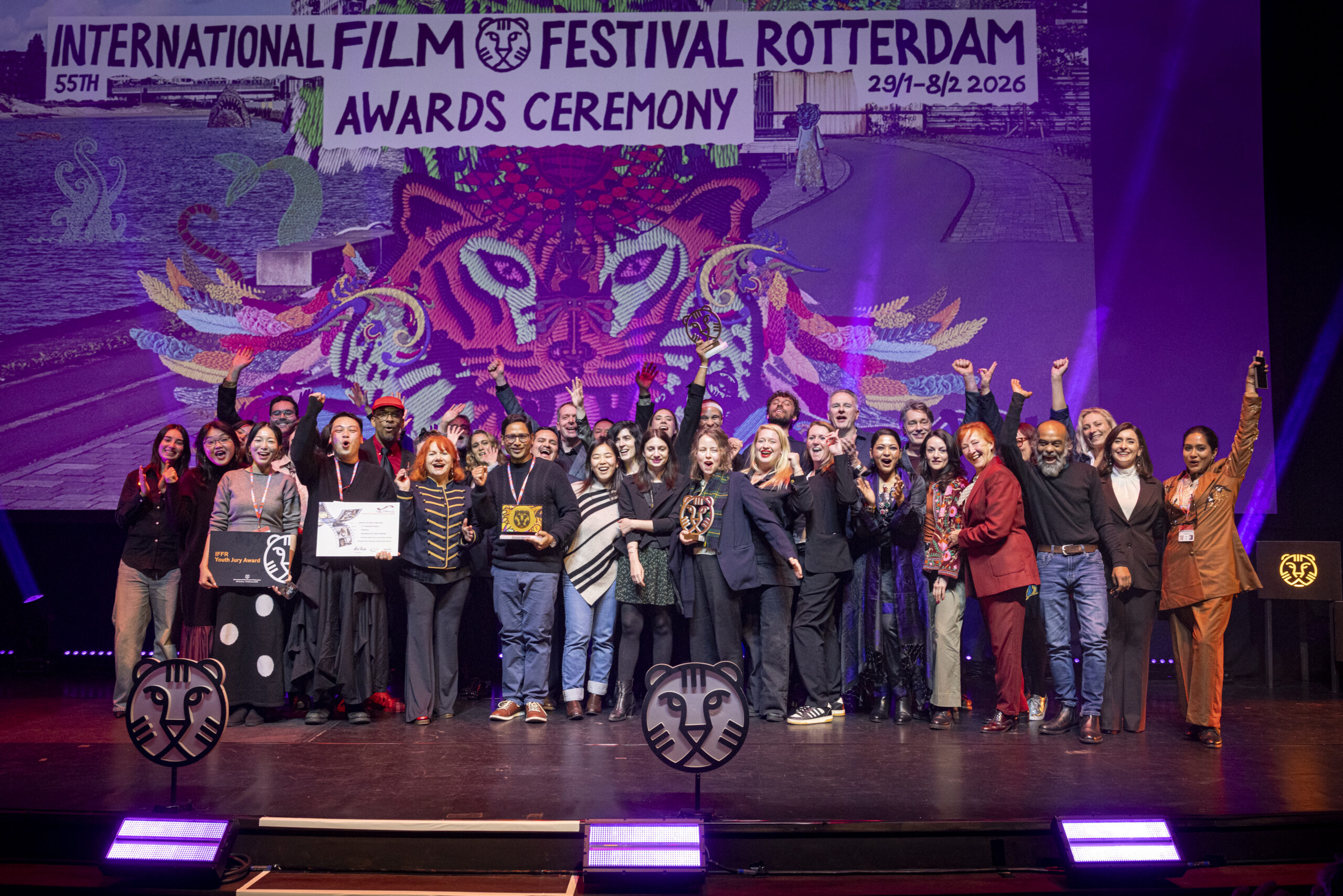
VERDICT: South African and Bangladeshi films won big at a 55th edition of the Rotterdam International Film Festival embracing global chills and genre thrills.
A European cold snap meant chilly temperatures were back in Rotterdam that were more usual in an era before the climate crisis, as the port city hosted the 55th edition of the Rotterdam International Film Festival. But that was no damper for audiences diving into ten days of boundary-pushing cinema from around the globe and packed industry events.
Today’s unpredictable global political climate, and rising concerns over strongarm rule, were channeled and transformed into some of the festival’s most powerful cinema. Variations on a Theme by Jason Jacobs and Devon Delmar won the main Tiger Award for up-and-coming filmmakers. A slender but deeply lyrical rumination on the state’s neglect and scamming of a widowed goat herder in South Africa, who ponders her departure from the ruggedly beautiful Kamiesberg mountain region, it stars Hettie Farmer, the real grandmother of co-director Jacobs.
Scoring a rare high-profile festival prize for a Bangladeshi production, the Big Screen Competition winner was Master, a sober political drama about corruption and lies in a rural community. Partly inspired by the real-life crimes and human rights abuses that brought down Sheikh Hasina’s authoritarian government in 2024, writer-director Rezwan Shahriar Simut’s familiar but well-crafted character study chronicles the rise of an idealistic small-town politician inexorably drawn into murky world of bribery, brutality and betrayal.
This year’s Tiger Competition was a rich showcase for original films from the African continent. In sharp stylistic contrast to Variations on a Theme, French-Angolan director Hugo Salvaterra painted a lively city-sized canvas with My Semba, a stylish, quasi-musical drama about a trio of young misfits who use poetry, rap and song to try to transcend their marginalised lives in the Angolan capital Luanda. Mozambican director Ique Langa delivered one of the festival’s most hauntingly beautiful films in O Profeta, an elegantly minimal portrait of a rural pastor turning to witchcraft to restore his troubled faith, its cryptic narrative elevated by ravishing close-up monochrome visuals.
Georgian director Ana Urushadze’s long-awaited sophomore feature Supporting Role was another big Tiger winner, coming away with the FIPRESCI critics’ prize as well as a special jury award. A once-revered actor yearning for a comeback plunges into surrealism-tinged existential crisis after a casting audition with a young woman director and the death of a pet parrot in this wildly eccentric take on creative ambition and its barriers. Urushadze addressed the difficulties of making films in Georgia in her acceptance speech, political repression in the cinema sector, and the ongoing boycott of the Georgian National Film Center by hundreds of film professionals.
Another Tiger special jury award went to Swedish director Angelica Ruffier’s beautifully woven together and highly personal documentary meditation on memory and yearning, La belle année, in which a young crush on a teacher is revisited and reevaluated many years later.
The Tiger shorts competition felt especially strong this year. The winners, Mariia Lapidus’s The Second Skin, Petna Ndaliko Katondolo’s Ndjimu, and Dean Wei’s The Apple Doesn’t Fall… all stood out for the way they tackled important subject matter with singular artistry.
Rotterdam again proved an important hub for initiatives of financing and support. Australian actress Cate Blanchett, a UNHCR Goodwill Ambassador, joined five established filmmakers to present the very well-received and buzzy world premieres of the shorts they had been invited to make in the initial phase of the pilot scheme she backs, The Displacement Fund. Maryna Er Gorbach, Mo Harawe, Hasan Kattan, Mohammad Rasoulof and Shahrbanoo Sadat all delivered strong works with radically different approaches on the set theme of displacement. Among them, Er Gorbach’s Rotation plays out in a cropfield with a glowing mauve horizon, its picturesque calm skewed around by traumatic war memories that come up in a hypnotherapy session for a woman who served; Shahrbanoo Sadat’s Super Afghan Gym makes pointed comedy of women roasting gender double standards while working out; Hasan Kattan documents the indignities of an interminable hotel wait at the hands of UK immigration officials after fleeing Syria in his humanity-filled and heartbreaking Allies in Exile.
Bazaar (Murder in the Building) by Remi Bezancon, a Paris-set comedy-thriller about a crime writer and a film professor caught up in a mystery, which playfully riffs on Hitchcock’s Rear Window, was an apt closer for an edition that leaned into fresh twists on genre cinema. While Brazil’s Yellow Cake by Tiago Melo brought outrageous sci-fi to the Tiger Competition as it tackled insect-borne virus and toxic weapon fears, Chronovisor in the Bright Future competition merged techno-horror and a kind of academia-noir in its vision of consciousness deluged into dysfunction by humankind’s recorded memory, in just two of a numerous instances of arthouse that featured an energetic retooling of sci-fi and horror.
All in all, Rotterdam’s 55th edition was one in which the notoriously tricky balance between challenging experimentation and broad, narrative-driven appeal felt successfully and imaginatively navigated, with the festival remaining a key haven for embattled voices in an increasingly difficult production environment.