
La Perra
La perra
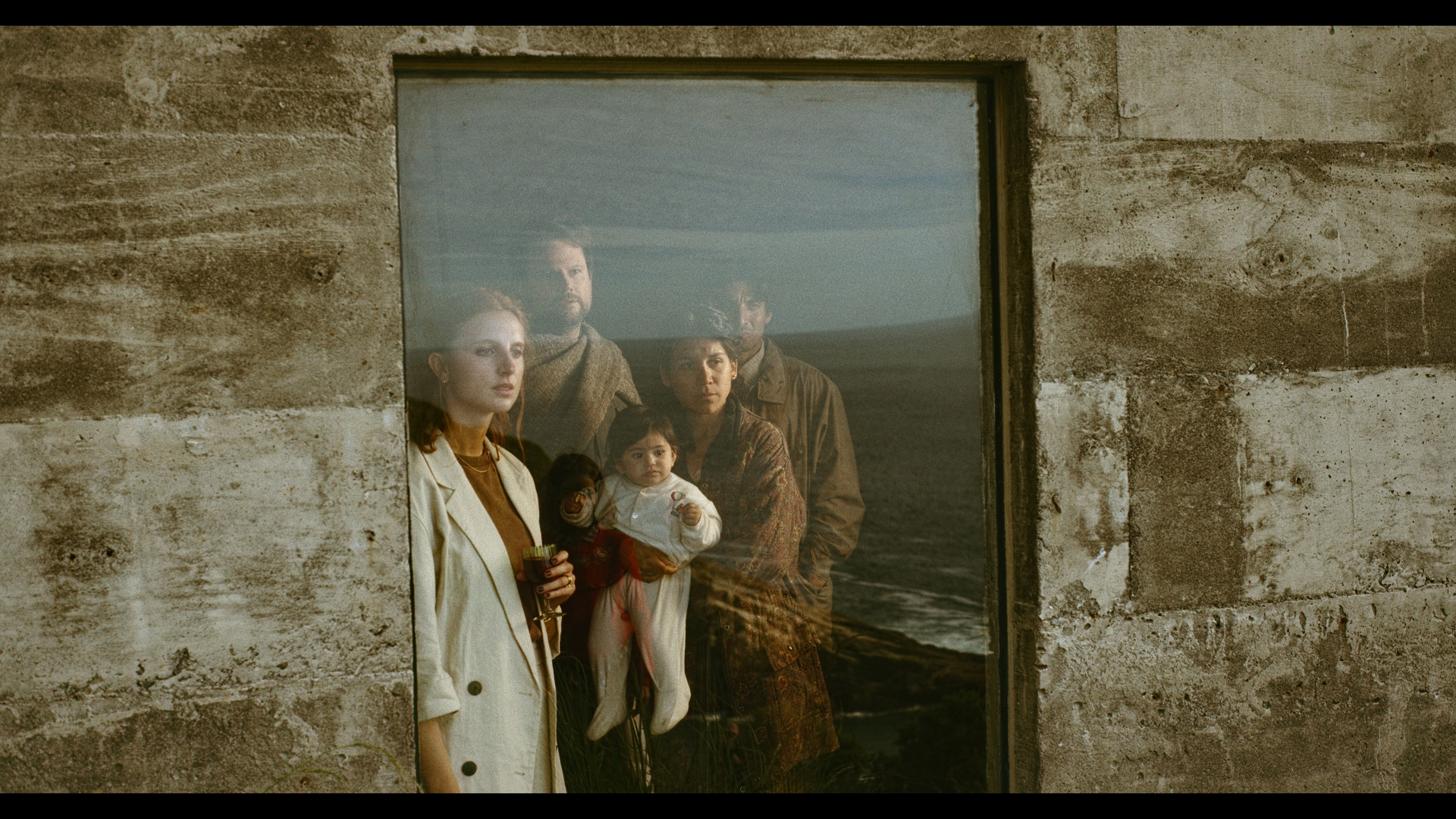
VERDICT: Chilean director Dominga Sotomayor's third feature shines in the Director´s Fortnight: a film about abandonment that sidesteps melodrama.
Latin Americans treasure melodrama, but Dominga Sotomayor’s La Perra makes sobriety her best tool in this outstanding film.
Based on a novel by Pilar Quintana, the film relocates the book’s narrative around 3100 miles to the south, from a community of Afro-descendants in the Colombian Pacific to an island in the Bio Bio region of southern Chile. The adaptation, more of a rewrite by screenwriter Inés Bortegaray, polishes the portrait of the symbiosis between the protagonist and her environment.
Silvia (Manuela Oyarzún) is a harsh woman in her late thirties who lives with her partner
Mario (David Gaete) in a modest house far from the pier and the nearest small town. She is a semi-hermit with one special duty: she is the guardian of a monumental concrete structure, empty
except for a bedroom that she cleans every day with devotion. Like the other inhabitants of the island, the couple make a living harvesting edible seaweed and fishing. Daily life is hard but quiet and with some good times. But all that changes when Silvia adopts a puppy that fishermen rescued at sea. By the time she names her “Yuri”, they are already inseparable.
Despite some small stumbles – the most noticeable is the way the screenplay telegraphs tragedy — Sotomayor confidently resolves one of cinema´s most difficult issues: visualizing abandonment. How do you portray absence? Is any absence abandonment? Must the abandoner feel guilty? Or perhaps we should blame the one who is abandoned? The film asks these questions repeatedly and lets the viewer decide whether to answer them or not, as they see fit — there is material here for all.
Because Silvia lives off the sea, she knows it intimately; Manuela Oyarzún’s stern face reflects the island’s rugged nature. Simone D’Arcangelo’s impeccable photography and Federico Rotstein´s careful editing give us the beauty of the place without turning it into a travelogue.
Oyarzún’s performance in the leading role is spare, reflecting the lean narrative arc. Her features soften when she is with Yuri much more than with Mario. Her memories – explaining her backstory for the audience’s benefit – alternate with the present time, taking the story from the apathy of young Silvia (Rafaella Grimberg) due to her mother’s absence, to her despair and anger at other disappearances. When she decides to be the one who leaves, Oyarzún embodies revenge for all those who have left the island.
Sotomayor’s first two films, From Thursday to Sunday and Too Late to Die Young, gave her enough prestige to ensure La perra will have a strong festival run. A charming small role by the acclaimed Brazilian actor Selton Mello plus a good reception in Cannes’ Directors’ Fortnight section should improve its chances internationally.
Director: Dominga Sotomayor
Screenplay: Inés Bortagaray, based in the novel by Pilar Quintana
Producers: Rodrigo Teixeira, Fernando Bascuñán, Berta Marchiori
executive producers: Nicolás San Martín, Selton Mello, Fernando Fuentes
Cast: Manuela Oyarzún, David Gaete, Selton Mello, Paula Luchsinger, Paula Dinamarca, Rafaella Grimberg
Cinematography: Simone D’Arcangelo
Edition: Federico Rotstein
Production Designer: Natalia Geisse
Costume designer: Francisca Tuca
Music: Clint Mansell
Sound: Javier Umpierrez
Production Companies: RT Features (Brazil) , Planta (Chile), Fondo de Fomento Audiovisual of the Ministerio de las Culturas, las Artes y el Patrimonio del Gobierno de Chile.
World Sales: Lucky Number
Venue: Cannes Film Festival (Un Certain Regard)
In Spanish
112 minutes