
Wax & Gold
.
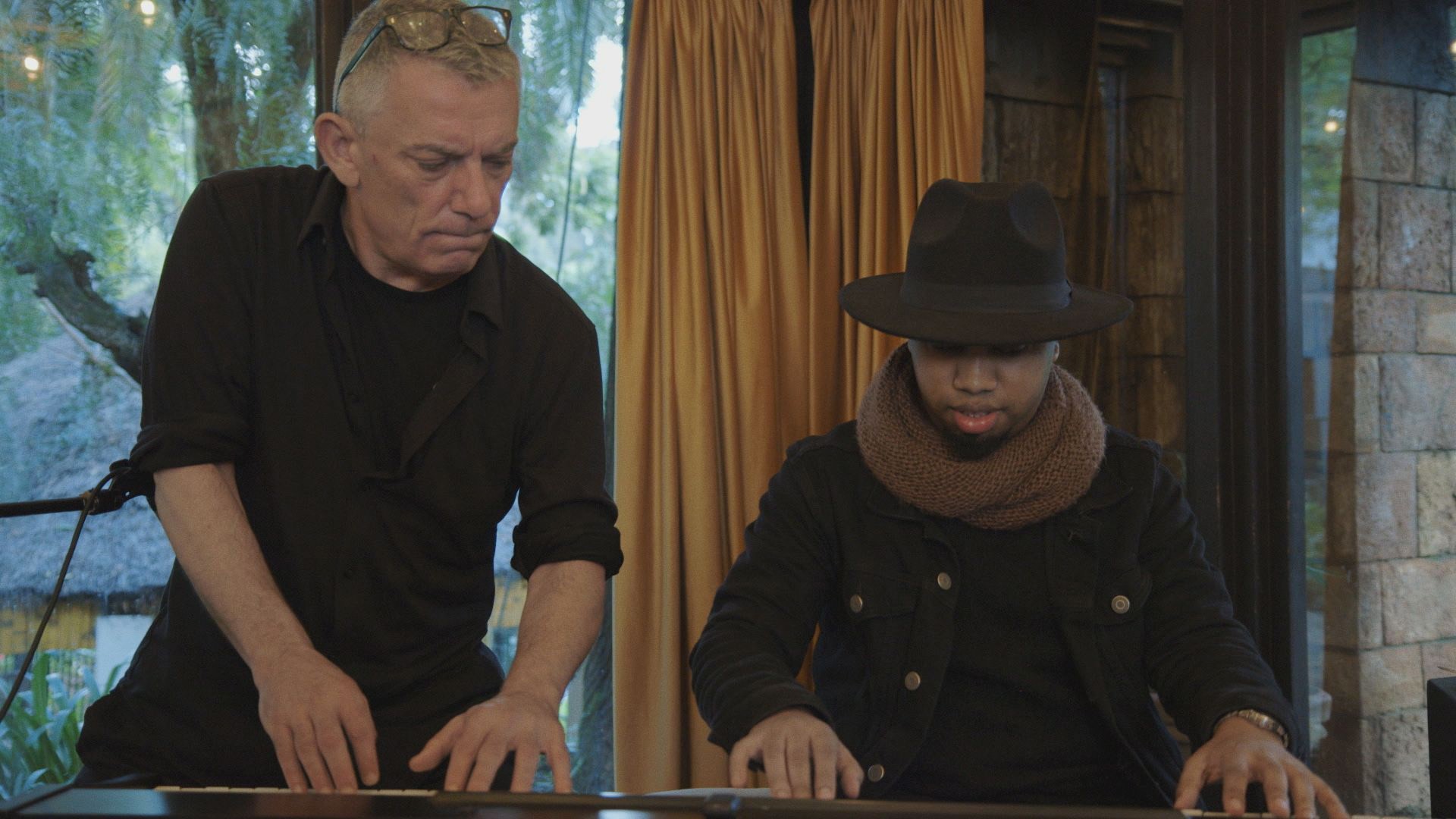
VERDICT: Austrian documentarian Ruth Beckermann delves into Ethiopian history by looking into a specific building in the engrossing ‘Wax & Gold’.
A major name in her native Austria, Ruth Beckermann has become an increasingly solid and enthralling presence on the international scene, notably at the Berlinale with the recent premieres of Mutzenbacher (2022) and Favoriten (2024). The trend continues with Wax & Gold which, in addition to the director’s rock solid global pedigree on the film event circuit, will also be able to rely on its post-colonial topic to gain attention on a wide scale.
The project focuses on the Hilton Addis Ababa, founded by Emperor Haile Selassie in the 1960s as a symbol of Ethiopia’s newfound international status. Over the years, it also came to be seen as a monument to self-aggrandizing, a portrait of the side of Helassie’s personality that is seldom discussed by Ethiopians. And yet, it is that side Beckermann is interested in, as it was a biography of the Emperor that first caught her attention many years back and ignited a curiosity that is at the base of this film.
In fact, while she generally maintains a passive role behind the camera, in this case she intervenes directly with voiceover and interactions with the hotel staff, in part also to explain that, while she strives for as complete a documentary as possible on this specific subject, her perspective will undoubtedly be affected by her being a white European woman, a visitor from the colonizing continent looking into the past and present (and, in a few shots, the future) of a country that has had a tense relationship with Europe.
Amusingly, the film begins with a shot of a zookeeper standing next to a caged lion that is essentially taking a nap. Perhaps it is a foreshadowing of what is to come, as we see this majestic creature in a less than threatening position, and Wax & Gold intends to peel back the layers of the aura surrounding the building at its center and the man who had it commissioned. But crucially, Beckermann never aims to deconstruct with malicious intent: yes, the hotel has complicated connotations, but its prestige remains in plain sight, and the director acknowledges that.
Over the course of an hour and a half, archive footage from decades past alternates with present day interviews, highlighting the different phases of Ethiopian society’s evolution across the second half of the 20th century. In that sense, it is perhaps a more conventional approach compared to something cheeky like Mutzenbacher (where male interviewees engaged in improvisational auditions based on a scandalous erotic novel), but it remains true to Beckermann’s desire to meaningfully and thoughtfully engage with society and culture.
Naturally, Wax & Gold does not provide a definitive portrait of the nation, nor did it ever try to do so. What it does do is deliver a clever blend of differing perspectives to meditate on how the country’s past has shaped its present, and how the overlapping elements from disparate decades may come into play as one ponders the future. And perhaps it will be as inspiring to new generations as the Emperor’s biography was to the director – a new jumping-off point for further musings on how to analyze one of the byproducts of the colonial age in an informative, enriching and at times also quite entertaining manner.
Director, Screenwriter: Ruth Beckermann
Producers: Ruth Beckermann, Carlo Hintermann, Gerardo Panichi
Cinematography: Johannes Hammel
Sound: Andreas Hamza
Production companies: Ruth Beckermann Filmproduktion, Citrullo International
World sales: Celluloid Dreams
Venue: Berlinale (Berlinale Special Presentation)
In German, English, Italian, Amharic
97 minutes