
Cannes 2026: The Old and the New
.
VERDICT: Marking 25 years of Thierry Frémaux at the helm of the festival, Cannes 2026 promises a wide array of discoveries alongside the more familiar names.
On May 9, 2001, the 54th Cannes Film Festival opened with Moulin Rouge!, Baz Luhrmann’s bombastically magnificent musical which played a key role in the strategy devised by Gilles Jacob and the newly hired Thierry Frémaux to bring Hollywood productions back to the Croisette (for the same reason, Shrek was shown in Competition, a first for an animated feature film). A quarter of a century later, speculations about which blockbusters might make the cut were so prominent that Frémaux, in one of his customary chats with Variety, felt the need to state, ahead of the official press conference, that the likes of The Odyssey (which was never a serious candidate on account of its mid-July release date) and Disclosure Day (a bit more likely, but still a long shot) would not be part of the lineup, although studio films are part of the Cinéma de la Plage and Cannes Classics strands (more on that later).
In fact, even by Cannes standards (this was already a subject of analysis a couple of decades ago), the French influence is particularly strong this year. It’s not unusual, of course, for films to already have a local distributor (not least since a theatrical release in France has been a requirement for Competition entries after the 2017 controversy over Netflix titles vying for the Palme d’Or), but in recent editions the festival’s host country has extended its reach in terms of co-productions. If we take this year’s Competition into account, only 4 of the 22 Palme hopefuls do not have France listed as one of the production countries. Similar stats come with Out of Competition (2 out of 6 films) and Midnight Screenings (ditto), i.e. the more audience-friendly strands. There’s a bit more balance in Un Certain Regard (9 out of 19 films are not French co-productions), Cannes Premiere (5 out of 10) and Special Screenings (7 out of 13).
Such numbers should not come as a surprise, given France’s status as the most powerful film industry in Europe, as well as Cannes’ strong ties to the theatrical sector (unlike, say, Venice, where Netflix productions are allowed in the main competition). The Cannes Premiere sidebar, introduced in 2021, was originally pitched as a further means to help spotlight movies that had been delayed because of the pandemic, and then there’s the matter of the opening film which, since 2010, comes with a contractual requirement to be released in French cinemas on the same day (since 2018, when the festival’s start date shifted from Wednesday – the day of new releases in France – to Tuesday, the inaugural slot has predominantly gone to national productions).
It’s a familiar picture, then, as is a large chunk of the names selected to compete for this year’s Palme (for Pedro Almodóvar, fresh off his Venice win for The Room Next Door, it’s the seventh time in Competition on the Croisette). And yet, mixed with the veterans (or, as the French press likes to call them, abonnés, subscribers), we find names that are sometimes not just new to the main programming strand, but new to Cannes in general. The Black Ball, for example, marks the Croisette debut for the Spanish filmmaking duo Javier Ambrossi and Javier Calvo, whose previous work screened in San Sebastián. Similarly, Jeanne Herry, whose first three films went largely unnoticed by festival programmers, is joining the big leagues with Another Day, her second consecutive collaboration with actress Adèle Exarchopoulos.
Other Competition first-timers were nurtured by the other sections of the festival: Léa Mysius (The Birthday Party) was in the Critics’ Week in 2017 with her feature debut Ava, while her second film The Five Devils screened in the Directors Fortnight in 2022; Valeska Grisebach (The Dreamed Adventure) earned kudos in Un Certain Regard with Western (2017), and the same sidebar proved fruitful for Marie Kreutzer’s Corsage in 2022, with the Austrian director now upgraded to the main category with Gentle Monster; Emmanuel Marre, who is dealing with the French Resistance in the period piece A Man of His Time, previously entertained the Critics’ Week crowd in 2021 with Zero Fucks Given, a comedy about the work-life balance (or lack thereof) in the everyday routines of a flight attendant.
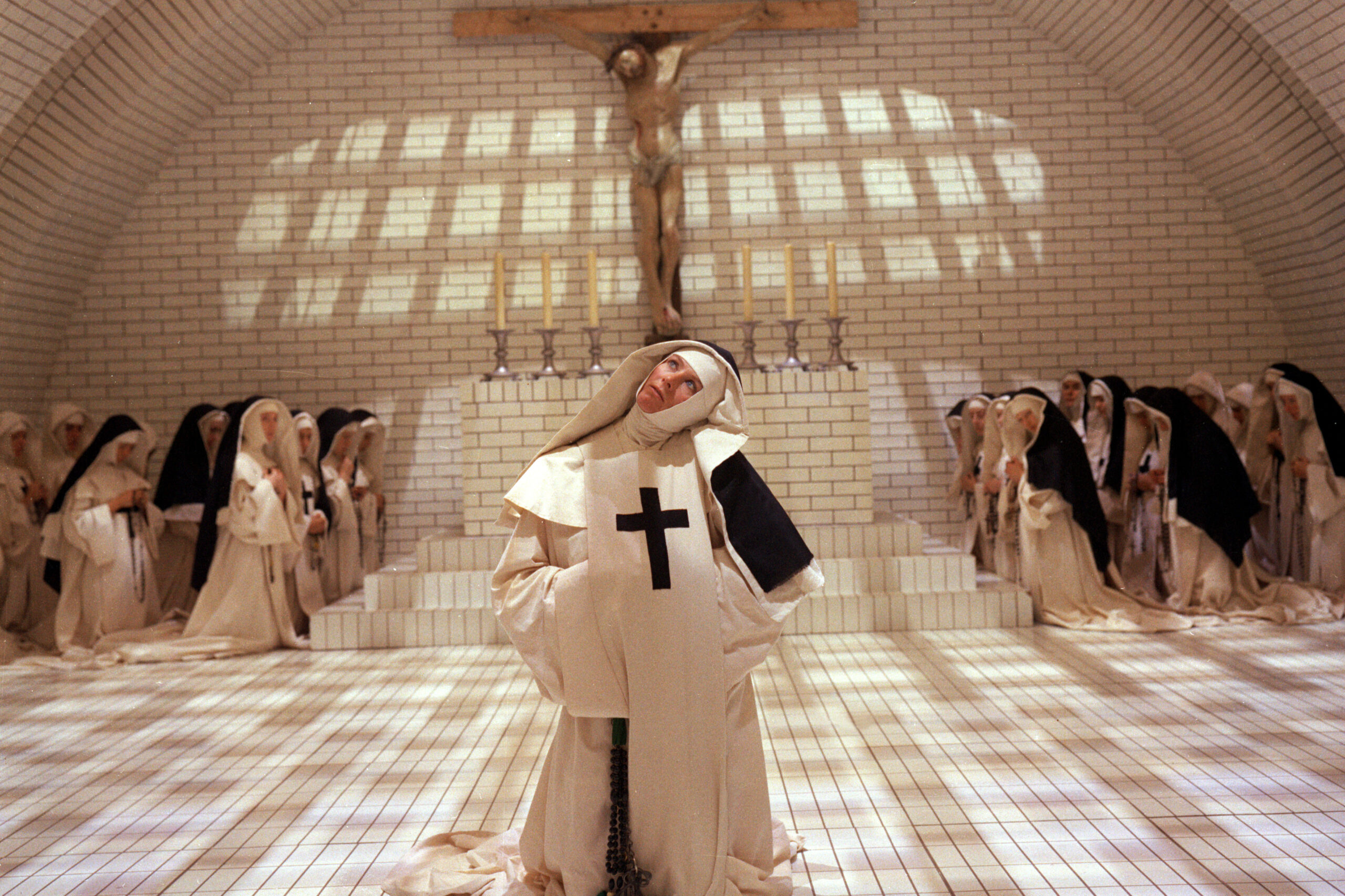
Amusingly, though, one of the buzziest titles in the lineup is not a new release at all: it’s a Cannes Classics entry. Last year, the historically minded section made waves by screening the restoration of Charlie Chaplin’s The Gold Rush, reconstructed to be more akin to the version originally shown in 1925, as the one more widely available to the public was a re-edit Chaplin himself worked on in 1942. In 2024, the pre-opening slot was occupied by (the first half of) Napoléon, Abel Gance’s silent epic, in its most complete form yet. This year, the headline-generating restoration is that of Ken Russell’s The Devils, which also marks the debut of the new specialty label Warner Bros. Clockwork. Infamously mutilated at the time of release and largely invisible in the director’s preferred version (select theatrical screenings in the UK were authorized during the last decade of Russell’s life), it is now going to be shown as intended, in a 4K version made from the original camera negative. And though it’s a 55-year old film, it will be a brand new experience for most of the people in attendance.