
Asphalt Guerilla
Guerrilha no asfalto
VERDICT: Edgar Pera tells the tale of a far-left militant group in Portugal as a dense, mile-a-minute essay film that combines fiction, archive, documentary and AI to compelling effect.
According to its opening titles, Asphalt Guerilla is a film “based on surreal facts.”
Just how easy that is to glean from Edgar Pera’s sprawling, chaotic and endlessly reflexive film is a question that remains. Taking as its basic premise that this is a depiction of the rise and fall of the Forças Populares 25 de Abril (Popular Forces 25 April or FP-25) through the 1980s, the Pera then makes hand-break turn after hand-break in a breathless feat of metatextual hybrid filmmaking. None of that is to imply that the resulting work is not hugely enjoyable and utterly transfixing, which should like suit a receptive audience when the film screens in Oldenburg this week having premiered last month at Locarno.
The film takes its title, and its central conceit, from a book by Manuel Ricardo Sousa which charted the inception and ineptitude of FP-25 from the inside. In the aftermath of the Carnation Revolution in 1974, in which Portugal threw off the dictatorial yoke of the Estado Novo regime, which had been established by Salazar (who had died in 1968), The FP-25 saw a new rise of the fascist right threatening to reassert itself and saw direct action as not only advisable, but necessary. Their exploits involved several terrorist attacks and bank robberies, including the bombing of a Chilean embassy and an ugly and tragic incident in which two members were beaten to death during a heist.
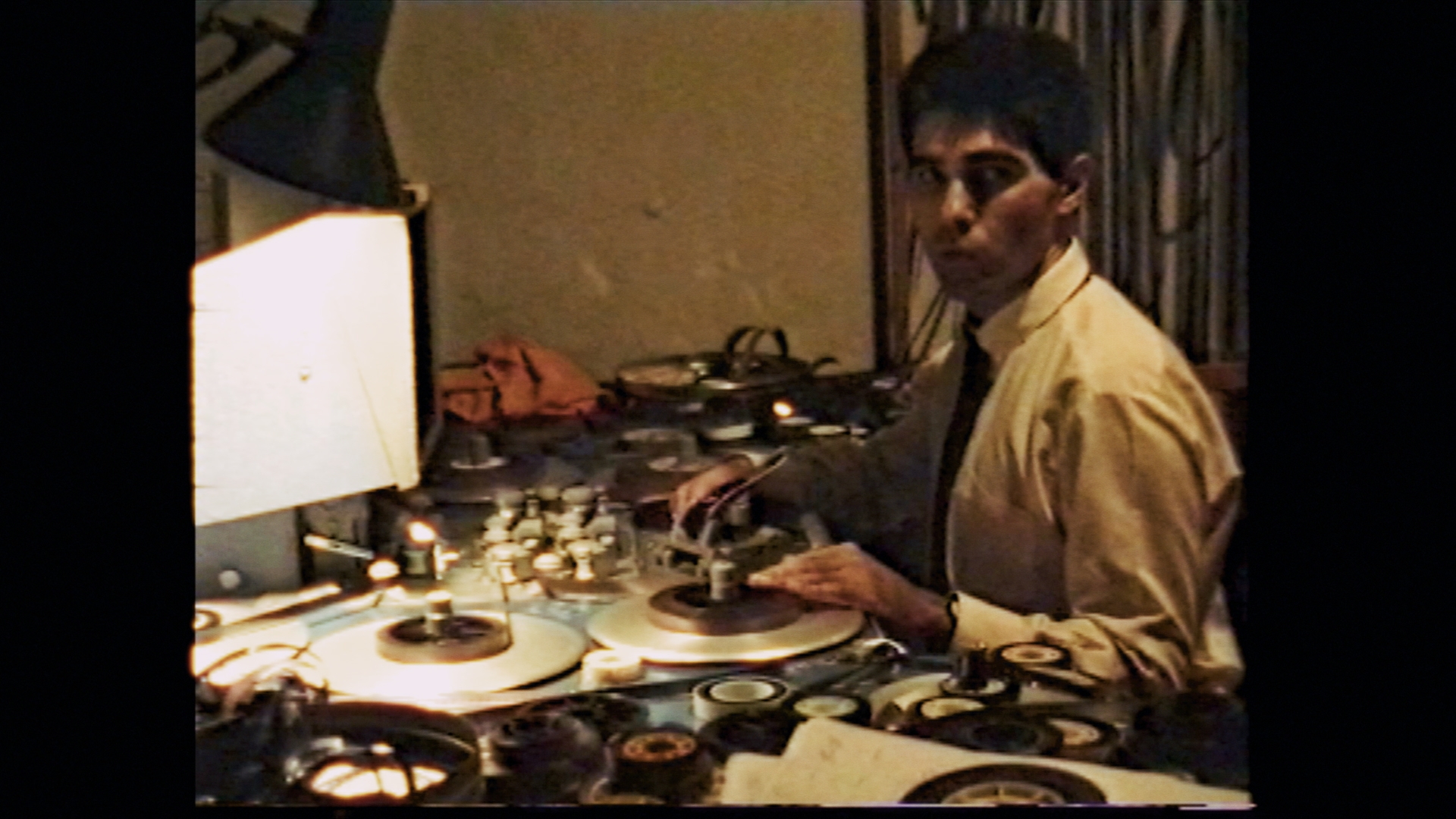
Pera is not interested in a straightforward adaptation of events, though. The film refracts this story through a prism of different lenses, at once embracing the tragicomedy of a unprofessional militant outfit while also using the setup to explore the nature of rebellion and political idealism, the concept of artistic resistance and the structures that act against such impulses, seeking to stamp down not just radical thought, but independent thought of any kind. He does this by presenting a series of films within the film – most significantly in the form of an attempt in the 1990s to adapt Asphalt Guerilla directly, through a series of other political statements made earlier in his career as part of his avant-garde “neuro-punk” style.
Where the film is perhaps at its most successful is in using this fractured aesthetic and form to evoke the febrile energy of the politics it is engaging with and in being able to present to the audience the multitudes contained in a movement like FP-25. The constant jittery flickering between dated-looking film footage and archival imagery and almost Godard-esque on-screen text imbues the film with a zine-like quality that speaks to Pera and FP-25’s radical roots. Pera is constantly throwing new images at the screen in such a way that the meaning is sometimes gleaned, or felt, rather than directly processed. At the same time, the playful reimagining of the bank robberies and other operations of the group begin to feel apocryphal – like we are the citizens of Lisbon watches the robberies happen through the stained glass windows of the bank, unsure of what is real. This allows us to laugh at their aborted attempt to steal a stalling car from a cranky elderly man while holding our breath when the idealistic Raul is brutally killed. As Pera’s film is not one thing, FP-25 don’t need to be either. It’s easier to explore the messiness of reality in a film that constantly challenges its own veracity and conventions.
The one place where this contradiction feels a little less successful is in the film’s use of AI imagery. There are various points in the film where it is used – most of these clearly signposted and implied as being a way (at least in the narrative of the voiceover) of reproducing lost images. However, as the film reaches its climax, we are confronted with an onslaught of AI slop accompanied by the warnings of Pera’s former artistic collaborator Terence McKenna where the images come to represent a modern form of fascism: “For us, experience has been betrayed because we serve masters we do not see and whose goals we do not understand.” While Pera is evidently using AI visuals with an agenda to interrogate them – and the point he makes is a resounding one – it feels a little bit like the director is having his cake and eating it having used AI to dramatic effect (and far less overtly) earlier in the film.
In the end, Asphalt Guerilla becomes a treatise on the nature of political creativity and radical art as a way of resisting the rise of something terrifying. It is a manic 77-minute ride, but a thrilling one, filled with important questions and ideas and perfectly embodying the energy of a movement it seeks to represent.
Director: Edgar Pera
Screenplay: Edgar Pera, Rodrigo Areias
Cast: Victoria Gueraa, Ana Bustorff, Nuno Nolasco, Nuno Preto, Ivo Bastos, Albano Jeronimo, Miguel Borges, Ivo Arroja
Producer: Rodrigo Areias
Cinematography: Jorge Quintela
Editing: Joao Mora, Inspector Tornykete
Sound: Pedro Marinho, Antonio Abreu, Sergio Silva
Art direction: Ricardo Preto
Production design: Carlos Andre, Nino Vassouras
Production company(ies): Bando a Parte (Portugal)
Venue: Oldenburg Film Festival (Midnite Xpress)
In Portuguese
77 minutes
Read more of our coverage of Oldenburg Film Festival.