TIFF 2026 Navigates An Identity Crisis
TIFF 2026 Navigates An Identity Crisis
VERDICT: 'The Debut,' 'I Play Rocky' and ' Wild Horse Nine' Vie For People's Choice Award
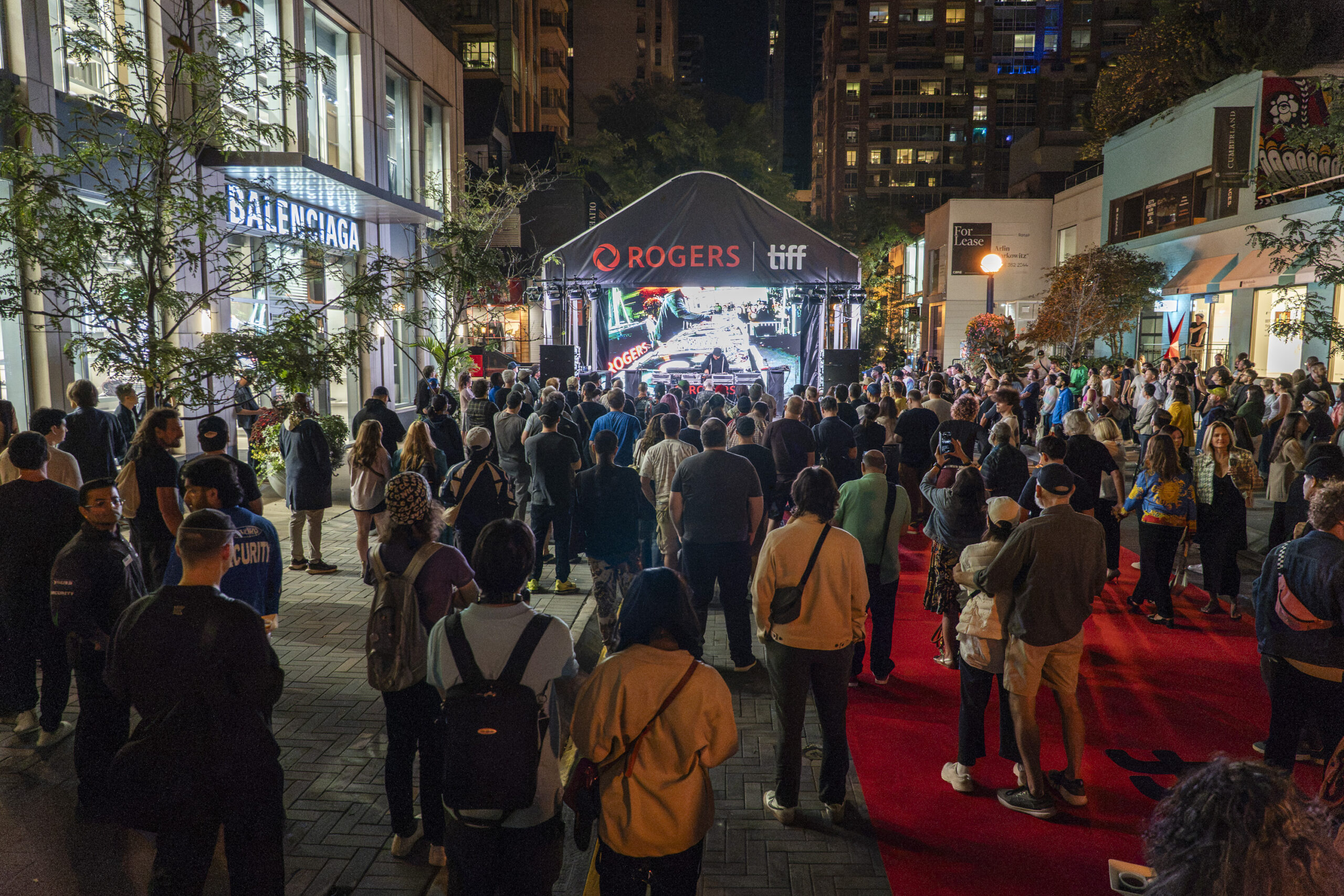
The people’s festival has become the businesspeople’s festival. In 2026, TIFF: The Market dominated the conversation at the 51st Toronto International Film Festival. As far as first impressions go, the verdict on the market is still out, and coupled with changes to press screenings, and rising ticket prices for the public, many this year wondered: who exactly is TIFF for?
The inaugural industry event took over the Metro Toronto Convention Centre, aiming to become Canada’s answer to Berlin’s European Film Market, Cannes’ Marche du Film, and the American Film Market. As cinemas were booked for dedicated buyer/market-only screenings, the decision was made to cut the usual two press screenings per TIFF title in half. With just one screening to choose from for any particular movie, press were forced to make hard decisions in a tightly overlapping schedule. This appeared to play out with with packed attendance for buzzed about selections from other festivals or starry debuts, with smaller titles left fighting for attention.
The other effect of reduced opportunities to see films in the lineup was less visible. TIFF has long prided itself on its selections being given the opportunity to achieve breakout status. One of the joys in previous years was hearing good buzz about an unlikely indie film, foreign movie, or midnight crowd-pleaser and being able to catch up, creating genuine hype around a new film or auteur. This year, that vibe was largely absent.
As for the market, while TIFF reported thousands of industry delegates on the ground, as of publication, only one shiny deal has emerged: Universal and Blumhouse Atomic Monster handing out $10 million to take Midnight Madness slasher River off the hands of Shudder and Independent Film Company who had already planned to release the film. While organizers are publicly positive about how TIFF: The Market performed, there are lots of questions the industry will take the weeks and months ahead to ponder: Is TIFF worth the added annual cost to attend? Does a formal market add any benefit to meetings that were already taking place in Toronto in previous years? And for TIFF, how does it embrace the industry without alienating the public that have been heart of the festival for over fifty years? Time will tell what answers emerge.
Shifting back to the movies, the People’s Choice Award is considered an augur for Oscar season success, and this year, three movies appeared to be battling for the prize. The World Premiere of I Play Rocky directed by Peter Farrelly generated strong early word with its dramatization of Sylvester Stallone’s journey bringing his iconic boxing flick to the big screen. Martin McDonagh’s Wild Horse Nine continued its success from Venice, while Jesse Eisenberg’s The Debut and Simon Stone’s Elsinore proved to be popular as well, particularly as they moved Julianne Moore and Andrew Scott into the Best Actress and Best Actor race, respectively.
In the festival’s competitive international section, Platform, where a jury awards a $20,000 CAD cash prize, perhaps as a result of fewer screenings, it was tough to discern any frontrunner. Irene Dionisio’s Idda appeared to have a strong push behind it and coupled with its Aftersun-esque story of a strained friendship, it may win the day. Meanwhile, other titles across the fest that sparked conversation include Matthew Rankin’s spiky documentary Ladies and Gentlemen, Brian Mulroney, Bassam Tariq’s stylish hitman movie Your Mother Your Mother Your Mother, Tim Blake Nelson’s prison drama The Life and Deaths of Wilson Shedd, and Helen Mirren doing Patricia Highsmith in A Talent for Murder.
As TIFF wraps for another year, the festival’s tireless volunteers who keep the machinery running smoothly deserve a special shoutout. Looking ahead to the future, TIFF finds its status among the premiere festivals to be uncertain. As Toronto tries to build itself as an essential industry hub, an A-list filled public event, and curated cinephile experience they run the risk that in trying to be all things to all people, they may be left not having an identity at all.