
Zogsool
Zogsool
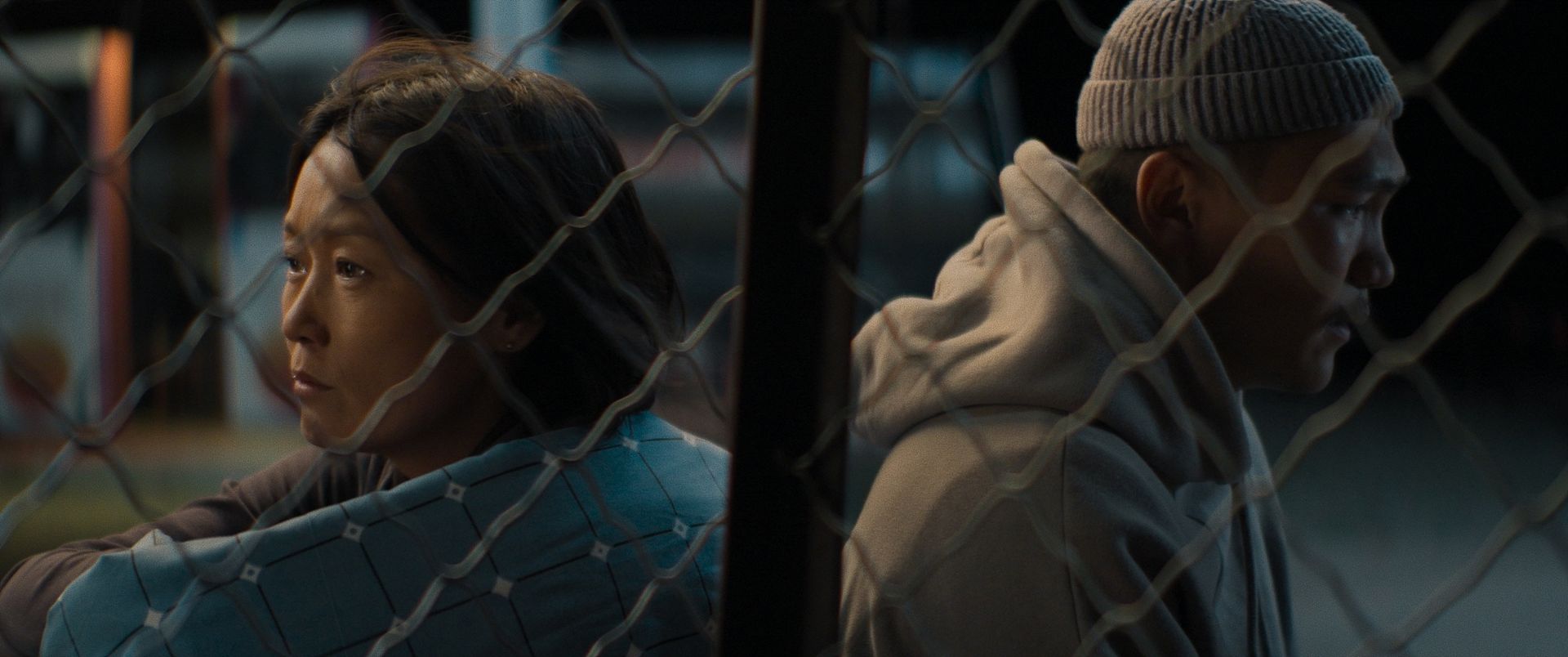
VERDICT: Love blooms for two social pariahs at a petrol stop on the Mongolian steppes in Byamba Sakhya’s poised and politically charged 'Zogsool', bowing in Busan.
After alienation, resistance – so goes the narrative arc in Zogsool, in which two stigmatised individuals fall for each other during an epidemic and then set off to stage their own modest fightback against the comically corrupted world around them. Using the onset of Covid in early 2020 as a backdrop, Mongolian filmmaker Byamba Sakhya mixes realist drama, deadpan satire and star-crossed romance to startling effect. Bowing in the Vision Asia section at Busan, where Sakhya first came to prominence in 2013 with his first fictional feature Remote Control, Zogsool offers a sure-handed, slow-burning critique against smalltown hypocrisy and the bigger political problems it represents.
Central to Zogsool (which means “a stop” in Mongolian) is Khardaa (the excellent Bulhan Chuluunbat), a single mother who works at a petrol station on the fringes of a small provincial town. As the film begins, her hard-boiled contempt towards everyone around her is more than palpable. She doesn’t flinch when she mocks a mean-looking ruffian’s attempt to pay for petrol with sheep, and smirks and chastises a well-meaning local sports teacher when he asks her to approve (and, more importantly, pay for) her talented teenage daughter’s wish to enter a martial arts competition in the city. “You know nothing about my life… and you stink,” she spits as she walks away.
Sakhya soon reveals the reason behind all this cynicism. Her benign-looking boss (Tumurbaatar Tsegmid) actually demands (and gets) occasional sexual favours from her, while the mayor (Munkhbayar Sharkhuu) refuses to pay what he owes her. And when Covid hits and the authorities transform her gas stop into a quarantine zone, her life becomes even more complicated. She is asked to guard and take care of a long-haul truck driver confined to his cockpit for fear of him carrying the virus into Mongolia from his recent sojourn in China.
But Sumber (Tsolmon Damdindorj) soon proves to be a kindred spirit for the reclusive Kharvaa, with his enforced loneliness matching her emotional detachment from everything around her. It’s here that Zogsool pivots from fatalism to hope: starting off with a series of quirky exchanges (via physical gestures and texting) which resemble meet-cutes in rom-coms, the pair soon develops feelings for each other. Their inevitable union signals their ultimate rebellion against the powerful tyrants who have exploited and marginalised them for so long.
Having made his name with plainer and more solemn fare, Sakhya surprises with a screenplay that offers slapstick situations and absurd humour aplenty – and DP Khangai Boldsaikhan’s camerawork also contributes to this, with his ability to contrast the physical and psychological emptiness of Khardaa’s working milieu with the endearing intimacy of the Sumber’s cramped and messy compartment. But Zogsool thrives mainly because of its two leads. Chuluunbat is a revelation in the measured way she evokes a beating heart beneath her character’s jaded exterior, while Damdindorj’s on-screen metamorphosis from a savant trucker to a sensitive soul is equally endearing.
Director: Byamba Sakhya
Screenwriters: Byambha Sakhya with Ariunsaikhan Davaakhuu
Producer: Ariunaa Tserenpil
Executive producers: Oyundari Khurelbaatar, Onon Gan-Erdene
Cast: Bulgan Chuluunbat, Tsolmon Damdindorj, Tumurbaatar Tsegmid, Bodijin Zolbayar
Cinematography: Khanghai Boldsaikhan
Editing: Sanchir Sakhya
Production design: Ariunsaikhan Davaakhuu
Music: Sansargereltekh Sangidorj
Sound: Vincent Villa
Production company: Guru Media, Bucket GmbH, Nomadia Pictures
Venue: Busan International Film Festival (Vision Asia)
In Mongolian
97 minutes