
Concrete Land
Tiyaha
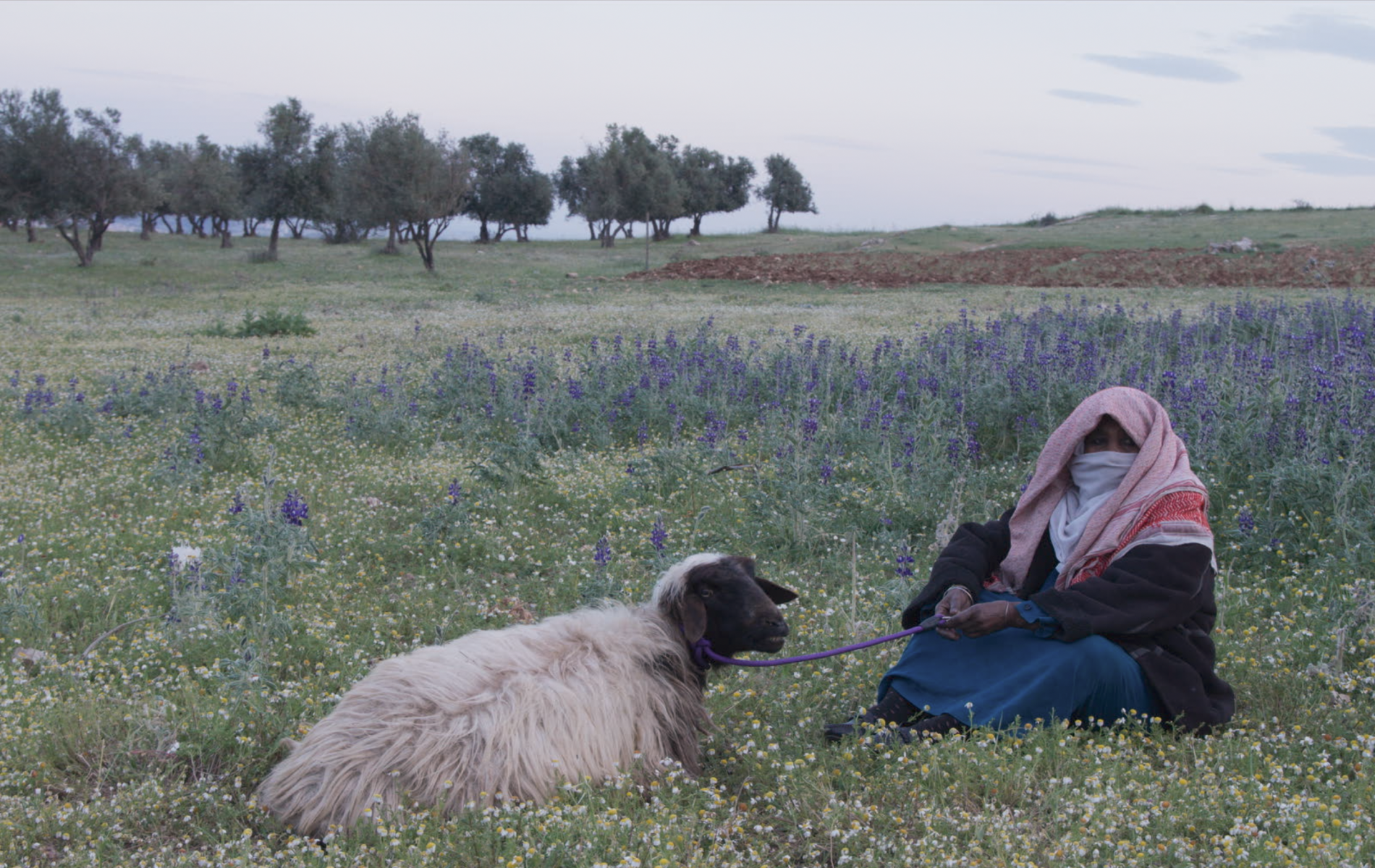
VERDICT: Asmahan Bekerat’s intimate portrait of an Afro-Palestinian Bedouin family explores how displacement and racism shape three generations’s experience of alienation, generational trauma, and conflicting ideas of home.
In Asmahan Bkerat’s narratively rich and timely feature debut documentary Concrete Land, displacement does not begin and end at the border of a nation state.
Screening in the International Competition Documentary Film section at DOK Leipzig, Concrete Land follows three generations of an Afro-Palestinian Bedouin family on the outskirts of Amman, Jordan. Bkerat attempts to trace how the toll of losing one’s homeland can persist in the struggle to establish a new home. The Najar family faces multiple forms of marginalisation and exclusion: as Bedouins whose pastoral lifestyle obstructs urban expansion, as Palestinians separated from their ancestral land, and as Black people facing racism. These exclusions are transferred to the screen through the Najar household, in discussions about money, school, an old man’s wish to continue raising farm animals and pets, and a teenage girl’s dream for a bedroom.
Over the span of eight years, the Palestinian-Jordanian director brings these conversations and different generational experiences of displacement onto the surface, using a calm observational approach as the family converses about housing and livestock. However, it is clear their future is being decided for them elsewhere. After bowing in Locarno’s Critics’ Week, Concrete Land broadens the cinematic memory of Palestinian dispossession across the globe, a timely topic that is bound to attract more festival play.
The familial dynamics among the Najars are presented through their daily life with no explanatory captions. Audiences are left to learn the relationships by listening. Abu Awad is a shepherd who lives with his wife Hakima. The older couple lives with their son Awad, his wife and children in two neighbouring tents, with their animals close by. Surrounding their tents are posh new villas and massive construction sites. Awad drives a cement truck for contractors and companies administering ‘development’ in their area. This contradiction is not shown to condemn urban development, but to shed light on the Najars’ dilemma. Employment and schools bind them to Amman, yet moving will create even more problems.
Bkerat’s camera casts the surrounding construction as a double-faced character promising prosperity and high end compounds for prospective villa owners, but the physical existence of the Najars on the land is an inconvenience.
Life inside the tent is introduced through routines, homework, animal care, birthdays, and playing with Hakima’s pet sheep Badrya. All of which gives the Najar household an identity beyond the suffering they endure. Suddenly, the family has to get rid of their livestock within five days, even though they have waited five years for assistance with housing. Enforcement comes with a deadline.
Awad’s daughter Eman is growing up full of desires for change, and her ambitions prevent the film from treating the preservation of tradition as an unquestionable good. Her grandfather needs the animals and open land to sustain his independence; she needs space in which to become someone beyond the household’s expectations. Awad is caught between those demands, trying to keep the family together while acknowledging what he cannot afford. Yet the generations are less neatly opposed than they initially appear to be. When relocation threatens Eman’s school friendships, her attachment to familiar surroundings becomes equally insistent. Wanting change does not mean consenting to every loss imposed in its name.
Hakima’s memories of leaving Palestine at an early age put this family and the contemporary crisis they face within a much longer history of exile, alienation, and perseverance. She cannot give her exact age, but remembers departures. TV reports about Bedouin communities in the Negev desert and the devastation of Gaza bring displacement elsewhere into the tent. Hakima also histories her previous exiles through folk songs, with lyrics true to the pain of leaving one’s home, and the heartache of belonging to a place from which she remains separated. These songs give the film a wider Palestinian resonance without making Jordan interchangeable with Palestine.
Racism emerges as Eman’s mother remembers the prejudice that she encountered when marrying a dark-skinned man, the same kind of remarks and comments that the daughter hears from her schoolmates, when they ask her why her white mother married a Black man.
Meanwhile a succession of incidents reveal more about the characters, while Ban Maraqa’s editing builds up the family’s changing circumstances. Bkerat allows for humor, irritation, disputes, and stubbornness to complicate the dynamics of the family. Abu Awad, the patriarch of the family, becomes distressed after knowing that he has to give away his animals, as they gave his days purpose and sustained his independence. Damage to the tent makes the younger generation’s wish for secure housing urgently practical. Bereavement and the arrival of a new baby bring loss and continuity in the family’s uncertain next chapter.
Concrete Land is strongest when it allows these competing needs to remain unresolved. A new house would shelter them, but not from anti-Black racism. Staying near Amman would secure a job and school, but not land ownership and safety. Bkerat finds the continuous pains of exile in this gap between the need to find somewhere to live and being allowed to belong.
Director, cinematography: Asmahan Bkerat
Screenplay, editing: Ban Maraqa
Producers: Asmahan Bkerat, Ban Maraqa
Sound design: Rana Eid
Production company: Arkima Films
World sales: Odd Slice Films
Venue: DOK Leipzig (International Competition Documentary Film)
In Arabic
101 minutes.