
A Modern Roma Fairytale
A Modern Roma Fairytale
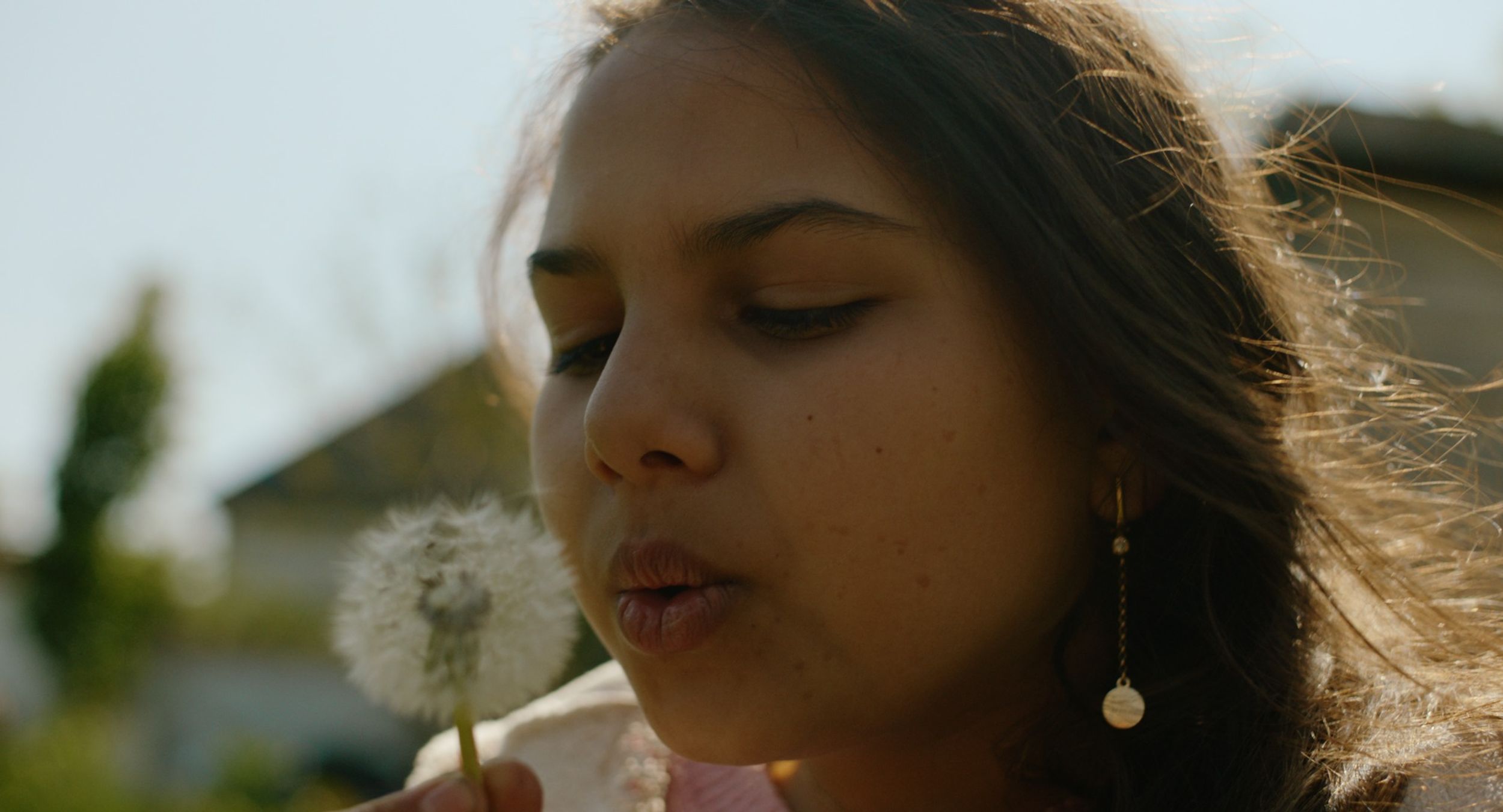
VERDICT: Raluca Lupascu's engaging, empathetic documentary examines the narrow life choices facing two Roma sisters torn between romantic fantasy and deeply patriarchal tradition.
A close-up observational portrait of young women growing up in a tight-knit Roma community in eastern Romania, A Modern Roma Fairytale takes us inside a parallel universe where TikTok dances, Barbie dolls and shiny Europop hits co-exist with arranged marriages, child brides and other deeply patriarchal traditions. Netherlands-based film-maker Raluca Lupascu returned to her homeland to shoot this richly woven documentary, embedding herself with a single family in their palatial mansion home over the course or two summers.
Attractively packaged, with music and visual poetry to the fore, A Modern Roma Fairytale is an empathetic, non-judgmental exploration of a deeply traditional culture, though the tensions of uneven gender politics are clearly a major theme that Lupascu keeps under critical scrutiny throughout. Following its world premiere at IDFA this week, it should pick up further festival play and possible niche streamer interest. Domestically, local indie distributor Verde are planning a theatrical release for the full feature while specialist public broadcaster Human will air a shorter edit.
Lupascu opens with lyrical footage of 10-year-old Nicoleta, her main narrator-protagonist, wrapped in lace curtains and lost in daydreams, an image reminiscent of feted art-house directors like Lynne Ramsay. Nicoleta is the granddaughter of a Roma “king”, a wealthy community godfather figure, hence her life is luxurious compared to most of Romania’s Roma minority, who have been enslaved, persecuted and marginalised for centuries. But despite her relative privilege, Nicoleta faces an uncertain future, questioning the romantic fantasies of marriage and motherhood she is routinely expected to swallow as she anxiously observes her 13-year-old sister Regina being groomed for an arranged wedding to her cousin.
Father and mother to the two sisters, boorish Dragos and long-suffering Anca, are both keen to get the girls married young, but not equally so. Anca privately has her doubts, reflecting on her own experience as a bride in her mid-teens, but she is hemmed in by tradition and pushy menfolk. Also part of the background chorus are two grandmother figures, especially the imperious matriarch Columba, who plays wise old witch to Nicoleta and her friends, advising them to prepare for marriage from 10 or 11 years onwards. Her life lessons to the girls include “don’t whore around” and “obey your husband and your in-laws.”
Although we never see him at his worst, it soon becomes clear Dragos has a history of infidelity, excessive boozing and domestic violence towards Anica. “How come you get to cheat wile I only stay home and cook?” she protests. “Because I’m a man,” he shrugs, openly relishing the double standard. Indeed, the male family members do not emerge from this film with any glory, though Lupascu has expressed sympathy in her IDFA promotional interviews, defending the Roma men for maintaining community traditions that have long been under threat of extinction. She also claims the women share a quietly feminist sense of sisterhood and solidarity, which is arguably true, but not much in evidence on screen.
A Modern Roma Fairytale is more portraiture than journalism. Lupascu shares few hard facts about these colourful protagonists, while her cameras rarely move beyond their domestic sphere. Basic background details, like the name of the town, or how Dragos earns his living, or wider attitudes towards Roma people in Romania, are left frustratingly fuzzy. The director relies more on character than context to carry the story, so it is lucky that Nicoleta is such a natural on camera: funny, mischievous, wiser than her tender years. She struggles at school, and at one point says a heartbreaking prayer asking God to make her smarter. But he also makes cheeky jokes, performs dance-pop diva routines in front of the mirror, and calls out sexist inequality in her own modest way.
Lupascu cites the hot-blooded, music-drenched, tragicomic gypsy sagas of Serbian director Emir Kusturica as a stylistic influence on A Modern Roma Fairytale. Her film certainly has a lusty, rollicking energy and a rich musical backdrop. Most of the characters break into song at various points, which often play like pointed commentary on unspoken tensions just below the surface. Folk music and heartbreak ballads are recurring motifs, lending the story an extra layer of operatic emotionalism, like a Balkan Blues symphony.
Director, screenwriter: Raluca Lupascu
Cinematography: Jeroen Kiers
Editing: Emma Mandjes
Music: Alex Simu
Producers: Iris Lammertsma, Boudewijn Koole
Production company: Witfilm (NL)
World Sales: Dutch Core
Venue: IDFA (Luminous)
80 minutes
In Romani