
Nada Doumani Champions Arab Film Culture in Difficult Times
.
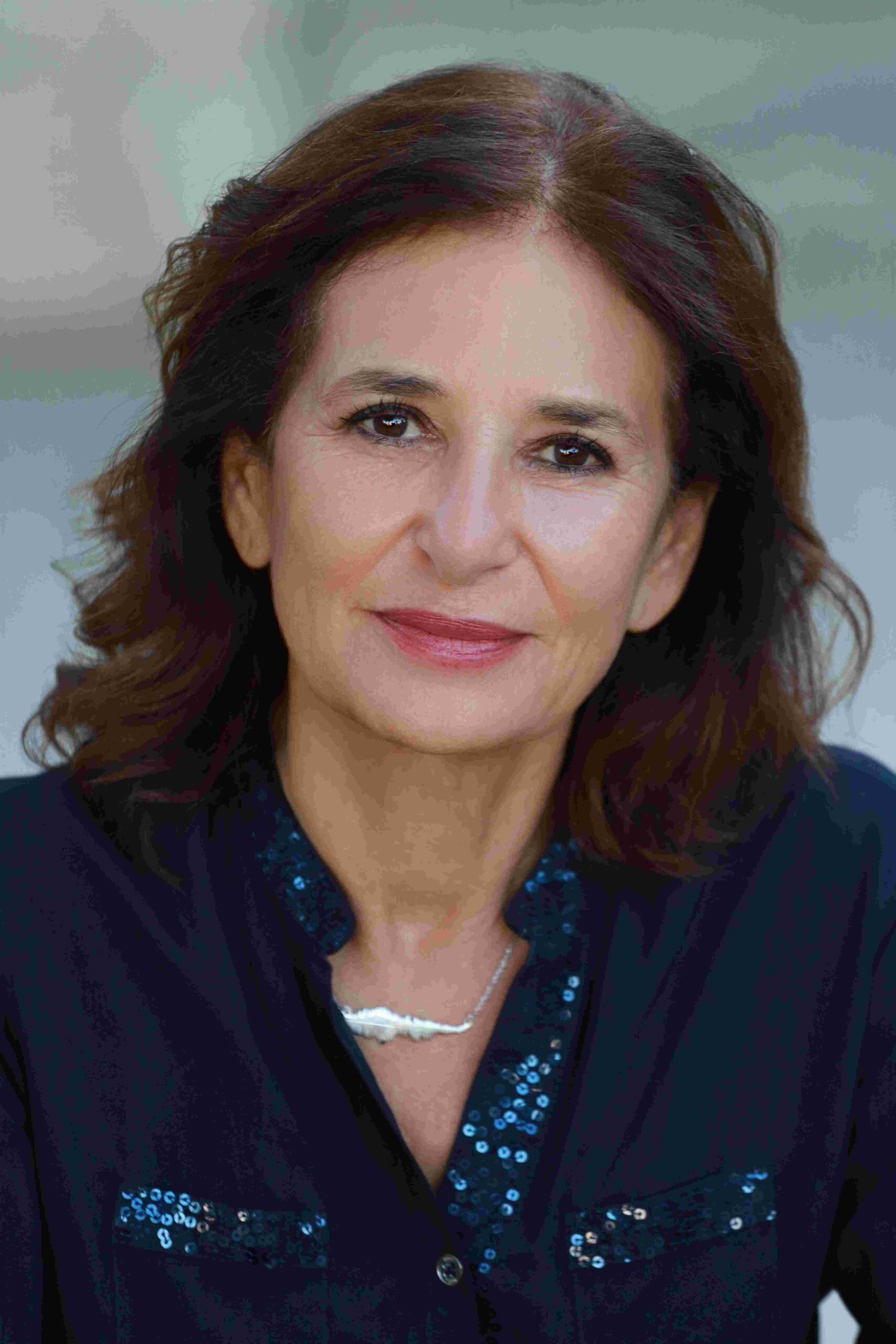
VERDICT: The Amman Film Festival director and co-founder faces new challenges but relies on the community of filmmakers: “We want people who have something to share.”
Seven is considered a lucky number, and the 7th Amman International Film Festival – Awal Film, currently in progress, is certainly fortunate to have at the helm someone as firm, committed and passionate as Nada Doumani. In her seven years as director and co-founder, the festival has passed through tumultous times, from strict quarantine restrictions under COVID during its inaugural 2020 edition, to the war in Gaza and now the Iranian war, all impacting the festival and shaping its mission to uphold Arab film culture and the local community.
Though challenge seems to have become a way of life, Doumani looks alert and unperturbed during her talk with The Film Verdict, which took place in the hushed office suite of the festival’s temporary headquarters. Outside, at night, the streets overflow with crowds and traffic literally inches forward on the Boulevard in a sea of red brake lights. Dance music pours from top-floor terrace bars. It is hard to believe there are bombs and missiles being dropped that target the U.S. air base just 100 km (65 miles) away.
But maintaining at atmosphere of normalcy, says Doumani, is not only human and desirable, but necessary. “We have to keep going as long as we can.”
Last year, it was Israel’s invasion of Gaza that was the talk of the festival and the subject of numerous films. The war in Gaza hit home particularly hard in Jordan, where a large swath of the population is Palestinian. But this year, despite the greatly increased proximity to the deadly and unpredictable hostilities now going on between the U.S., Israel and Iran, the festival venues and meeting places registered barely a ripple of uneasiness. The talk was all about the movies being shown and the film pitches and masterclasses being held in the Industry section.
Doumani notes that among over 100 international guests invited, they had only 5 or 6 last-minute cancellations, “almost all of them over the risk that Amman’s airport could close, though in reality the national carrier Royal Jordanian would fly in any case.” Her team remains in close touch with the national Security and Crisis Management Center, who would give them early warning if something were to happen affecting the safety of guests.
Though all these circumstances have kept the Amman festival to a certain cozy size, it has also conferred an enviable intimacy, making it one of the friendliest and most accessible events of its kind in the Middle East. Doumani calls its gradual increase in films and attendees “organic growth” and vows to continue down the path of being as inclusive as possible. Already the festival screens a selection of its program in seven different cities outside Amman and actively pairs with community groups like the Deaf Cinema Club. The premier screening of the Jordanian family drama Sink featured sign language interpretation on a split screen and attracted a full house of exuberant, highly reactive film-goers.
The festival chooses an annual theme that reflects the reality of the moment, because “art, in all its forms, is inseparable from its social, economic and political context,” Doumani writes in her introduction to the 2026 catalogue. This year’s theme is “Beyond the Frame”, inviting the audience to look beyond what is immediately visible and beyond conventional ways of thinking.
“It’s what we’re trying to offer in our documentaries and fiction, Arab films that face taboos and go beyond the frame.” A perfect example is Ali Saeed’s documentary Anti-Cinema, which traces the 35-year-long journey of Saudi Arabian filmmakers to be able to legally create and watch “cinema” in public.
“The important thing,” she reflects, “is to be consistent and coherent” in holding the festival, whatever the military is doing. Shutting the festival down would be “exactly what those trying to kill our culture want. Forcing people not to do things weakens the region and the community. My message is, we won’t be defeated as cultural creators.”