
The City of the Living
La città dei vivi
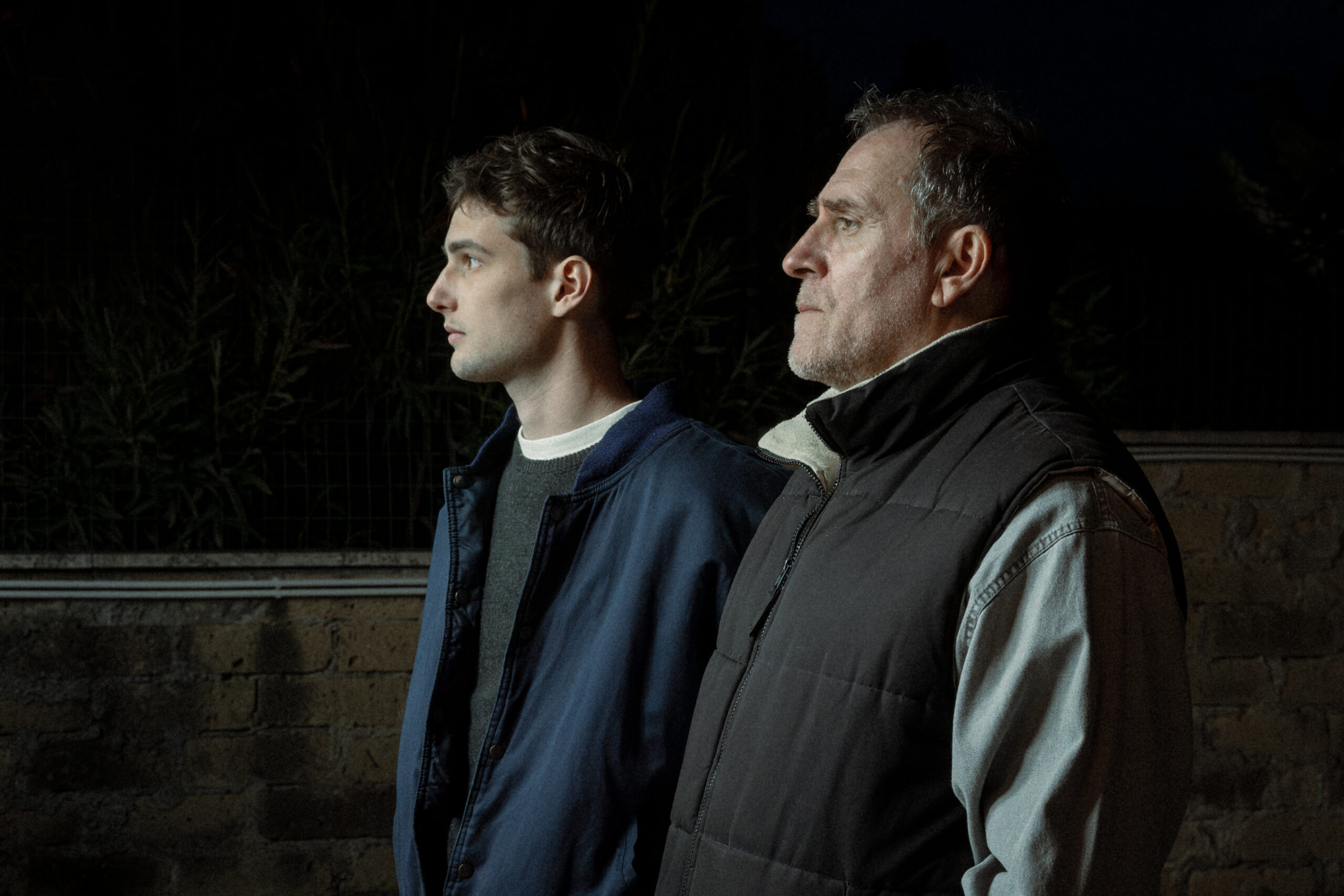
VERDICT: Nicola Lagioia’s true crime novel comes to cinematic life in a surprising way in Edoardo Gabbriellini’s ‘The City of the Living’, screened in Venice’s Orizzonti competition.
In 2016, a young man named Luca Varani was brutally murdered in Rome. In 2020, acclaimed Italian writer Nicola Lagioia published a true crime novel based on the case. In 2026, after initial plans to make a TV miniseries for the Italian version of Sky, that book has become a film, The City of the Living, first unveiled in the Orizzonti competition at the Venice Film Festival. The movie’s literary pedigree will probably attract eyeballs in Italy, although it’s also bound to prove divisive: at the advance screening this writer attended ahead of the premiere, multiple fellow journalists were baffled upon realizing the credit “freely adapted from” is more literal than usual.
It is also the only credit pertaining to the source material as, due to an unspecified behind-the-scenes dispute, the authors of the adaptation chose not to have their names included in any official capacity. This means anyone unhappy with the film’s approach won’t have anyone to aim their anger at, for Edoardo Gabbriellini’s work is more of a companion piece than a straightforward take on Lagioia’s prose. It’s a bold choice, and one that places the film in a dialogue of sorts with another Italian true crime movie: Stefano Mordini’s The Catholic School, based on the novel of the same name which dramatized and contextualized the so-called Circeo Massacre.
The dialogue is embodied primarily by lead actor Emanuele Maria Di Stefano, who appears in both films. In The Catholic School, he played the teenage version of the book’s author Edoardo Albinati, who attended the titular educational establishment and wrote the novel partly to make sense of the events, as he knew the perpetrators. In The City of the Living, Di Stefano has been given the role of Luca who, sadly, will never again get to make sense of the events surrounding him.
But the film doesn’t explicitly deal with that: whereas the novel starts with the realization someone has died and then reconstructs the whole story (Lagioia researched the book extensively, relying on official documents and testimonies; only a handful of names were altered), the movie is effectively a prequel. It follows Luca as he leads a dual existence, hiding his nightly activities from his parents and his girlfriend and embarking on a path that gets increasingly seedy.
There is a sense of foreboding, even without knowing the book or the true story (which is likely to be the case for most international viewers, assuming the film will travel beyond its initial Venice launch), but Gabbriellini – an actor who made the move behind the camera in 2003 – avoids grotesquery (a hallmark of his 2012 film The Landlords) in order to get real, heartfelt work out of his primarily young cast. The main adult presence – and the sole major name in the cast, owing to his existing rapport with the director – is Valerio Mastandrea, who reaches a whole new level of heartbreaking as a father who gradually realizes he had no idea what his son was up to.
Helped by his cinematographer Amine Messadi, Gabbriellini tells a story of people – and one person in particular – trapped in a somewhat drab existence, each pained close-up peeling away another layer of frustration, and captures an apparently mundane side of Rome before exposing its more disturbing underbelly as we get closer to the third act and its tragic implications. But even before that, the ironic nature of the title is evident, as Luca goes through the motions while half-assedly pursuing a future he will never get to enjoy.
Director: Edoardo Gabbriellini
Cast: Emanuele Maria Di Stefano, Gaia Merlonghi, Simona Senzacqua, Roberta Mattei,Valerio Mastandrea
Producers: Roberto Proia, Olivia Musini, Maurizio Piazza, Andrea Calbucci
Cinematography: Amine Messadi
Production design: Marcella Mosca
Costume design: Marta Passarini
Sound: Maricetta Lombardo, Alessandro Bonfanti
Production companies: Eagle Pictures, Cinemaundici, Lungta Film
World sales: PiperPlay
Venue: Venice Film Festival (Orizzonti)
In Italian
104 minutes