
The Pervert’s Guide to Utopias
The Pervert’s Guide to Utopias
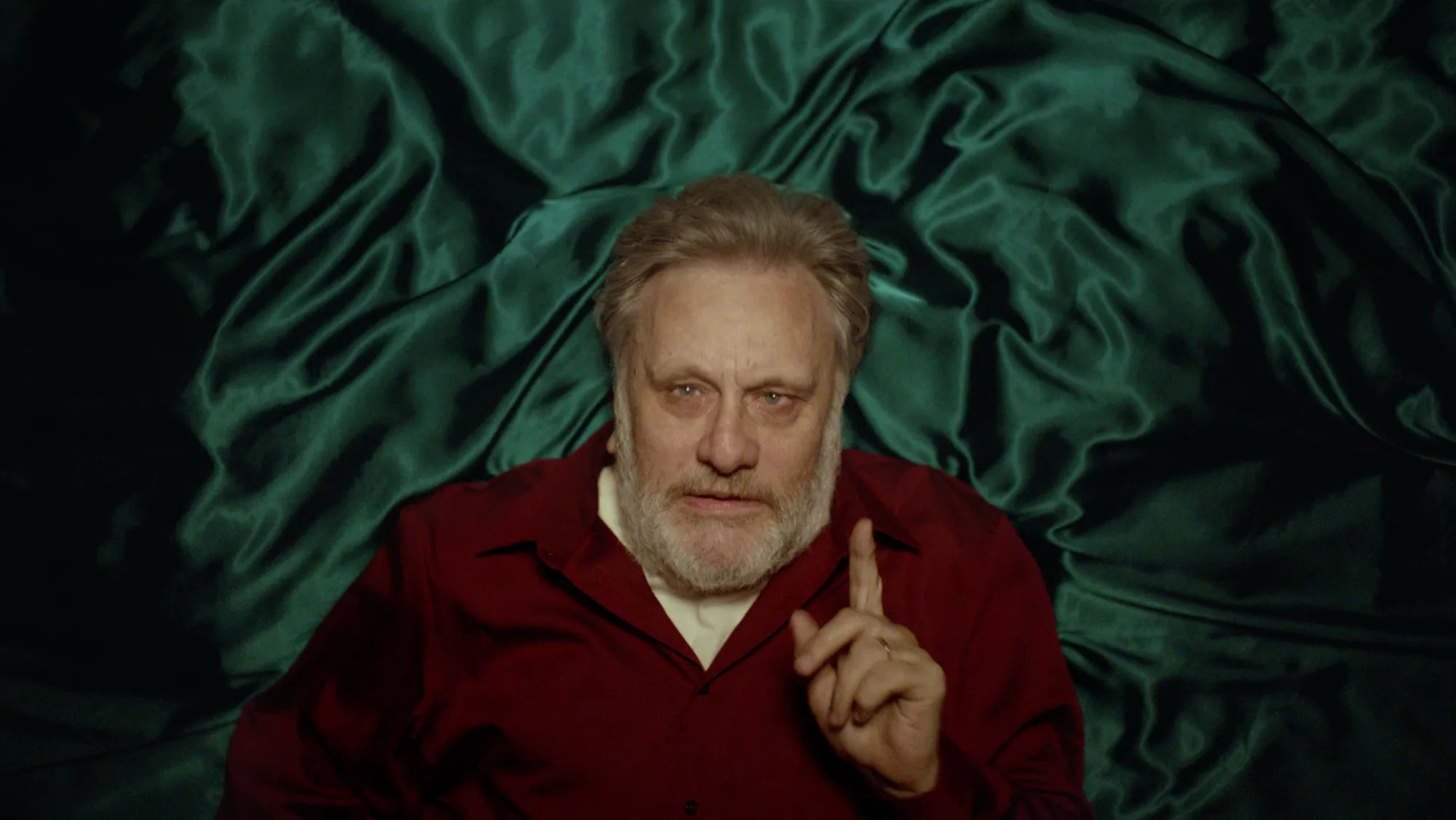
VERDICT: Proving their rambunctious, winning formula is a snug fit for dark times, Sophie Fiennes and philosopher comrade Slavoj Zizek plumb how our world got to where it is, through iconic movies.
If there is one cultural commentator with the audacious cheek to suggest what rock song might have helped the obsessively ordered Jeanne Dielman, the woman at the heart of Chantal Akerman’s arthouse masterpiece Jeanne Dielman, 23 quai du Commerce, 1080 Bruxelles, to loosen up and avert her murderous outburst, it is Slovenian philosopher and pop culture provocateur Slavoj Zizek — and that’s exactly what he does in The Pervert’s Guide to Utopias, his latest documentary collaboration with British director Sophie Fiennes. In the film, which premiered at the Venice Film Festival out of competition, he waxes lyrical on what ails the world today through the lens of some of the most enduring classics from the history of cinema, via psychoanalysis and his theoretical leanings as a dedicated Marxist.
Zizek, ever the teasing showman, has no qualms about giving away films’ endings, playfully warning audiences at the outset that they can leave if it will bother them, and nobody will miss them. Rambunctious and eccentric, Zizek is on mischievous form, with enough intelligent, unexpected insights and surprising angles to provoke deeper reflection. Diehard fans of Zizek, who divides tastes like marmite, will not be disappointed with this tried-and-true formula.
Fiennes is an accomplished documentarian with a track record of projects, including Over Your Cities Grass Will Grow (2010) and Grace Jones: Bloodlight and Bami (2017), which seek to expand our experience of art rather than reduce it to cliches. It’s the third installment of her documentary series with Zizek, which started with The Pervert’s Guide to Cinema in 2006. It’s been fourteen years since the second installment, The Pervert’s Guide to Ideology in 2012, and the time that has passed means that the latest film contends with a world that feels more catastrophic and politically fraught, caught in the sway of resurgent fascism and environmental crisis. The film effectively taps this vein of disquiet. Billed as an exploration of utopias, it is really more about our current dystopia, as Zizek analyses the nature of our crisis, and how we got here.
Zizek declares that if aliens came to Earth, he would show them films in order to convey an understanding of humanity, rather than direct reality, and clips are woven throughout that, accompanied by his commentary, he clearly believes can distill and focus attention on the essence of things for the audience as well. We begin right in the so-called heart of darkness with Francis Ford Coppola’s Apocalypse Now and a discussion of the possibility of evil as a conscious act, rather than a product of ignorance. Many global ills are, in his lively and free-ranging manner, considered, from capitalism as a kind of madness to class and the robotisation of humans into perfect workers (Zizek passionately riffs on the notion vampires are aristocrats, while zombies are the proletariat), as well as the conditions for rebellion against oppression, which may be sparked by identity uncertainty more than knowledge (think, the replicants in the Blade Runner franchise, through to Resnais’s Last Year at Marienbad), and may be just as useful for those in power (a good communist is a pessimist, Zizek assures us.)
Zizek’s irreverent humour maintains a light, wildly entertaining buoyancy through these very existential topics, especially as he adopts settings and poses of scenes from the films he is discussing, appearing naked in a bathtub with a wedding veil, echoing Lars von Trier’s Melancholia, and lying back cloaked in red, like one of the women in TV Margaret Atwood novel adaptation The Handmaid’s Tale.
Cinema may help us to understand reality, or allow us to escape from it, but Fiennes and Zizek never let their documentary become a bubble. Archival news footage and internet clips of Trump and the US Capitol riots, of the devastated shell of a city that Gaza had become, of activist Greta Thunberg calling out inaction over the climate crisis, of Kylie Jenner’s Handmaid’s Tale-themed party, of an Israeli election campaign video featuring “Fascism” perfume, and other lurid and curious fragments from a daily onslaught of imagery and spin are given sharp, freewheeling interpretation by Zizek. Even if the end of the world really is hurtling toward us like a rogue planet, Zizek’s game, robustly good-humoured engagement with the possibility feels like a welcome and intellectually spicy respite.
Director, Editor: Sophie Fiennes
Writer, Cast: Slavoj Zizek
Producers: Katie Holly, Evan Horan, Martin Rosenbaum, Shani Hinton, Sophie Fiennes, Jožko Rutar, Miha Cernec, Lisette Kelder, Ineke Kanters, Andrew Grant
Cinematographer: Remko Schnorr
Music: Magnus Fiennes, Horace Fiennes Tummings
Sound: Igor Iskra, Martin Clarke, James Latimer
Production designer: Miha Knific
Production companies: Keeper Pictures (Ireland), P Guide (UK), SPOK Films (Slovenia), The Film Kitchen (Netherlands), Mattima Films (Norway)
Sales: Shani Hinton
Venue: Venice (Open – Out of Competition)
In English
133 minutes