
Helena Trestikova in DOK Leipzig on What She’ll Risk for Documentary
Helena Trestikova in DOK Leipzig on What She'll Risk for Documentary
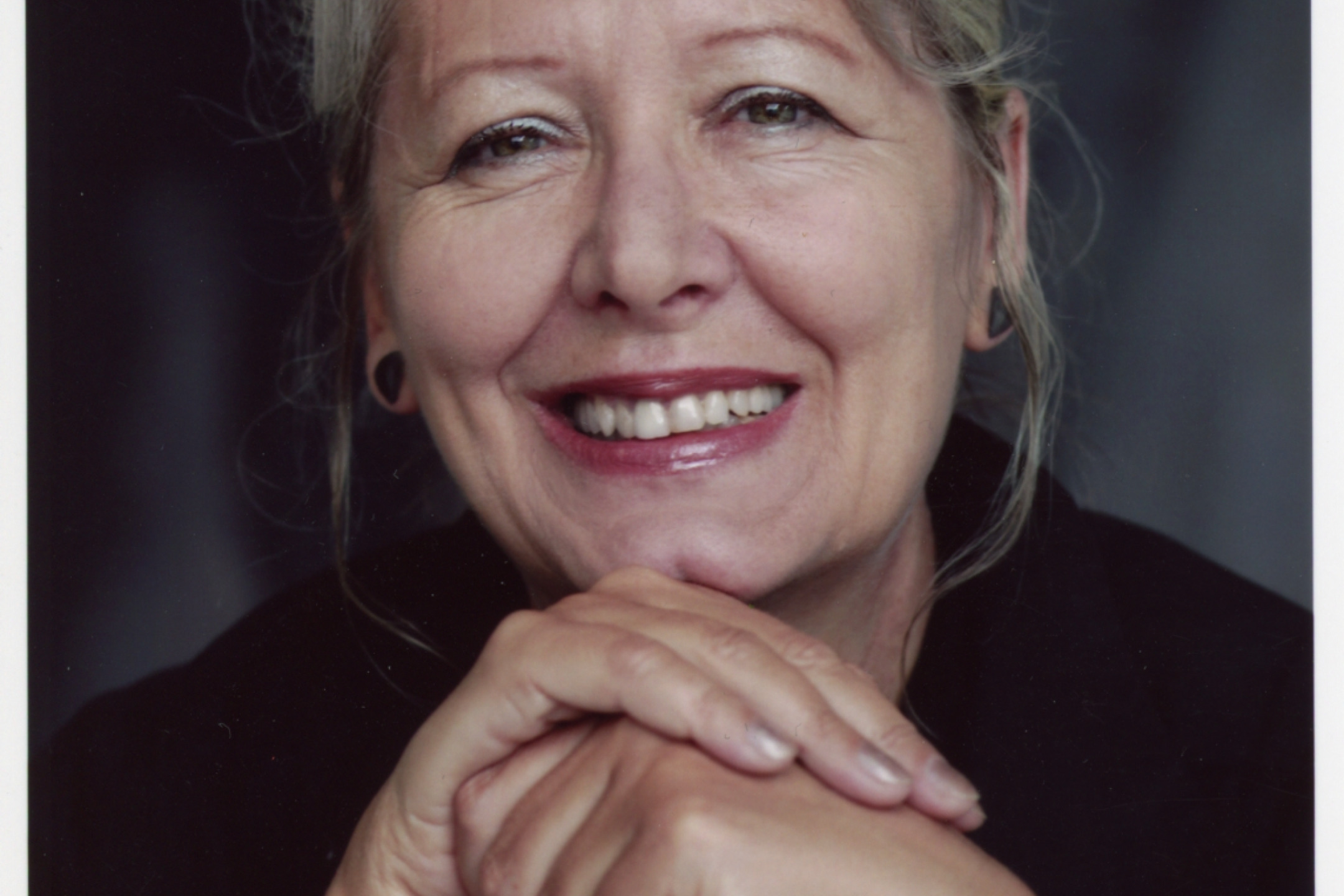
VERDICT: Acclaimed Czech documentarian Helena Trestikova spoke in a DOK Leipzig masterclass about the complexities of decades-long shooting relationships, observation and ethics.
Helena Trestikova’s intimate and candid time-lapse documentaries that observe the lives of subjects over a long horizon of time, often even decades, have made her a key figure of Czech cinema, and acclaimed around the world. She was honoured at this year’s edition of DOK Leipzig with a retrospective homage of several of her best-known works, including 2008’s Rene, in which she follows a juvenile prisoner as he grows up through frequent stints in and out of jail, and 2017’s A Marriage Story, showing the ups and downs of a couple who married as architecture students in communist Czechoslovakia and own a struggling furniture store. Her latest documentary Bara – Diary of a Rockstar, on the strained home life of famed singer Bara Basikova and her break away from draining relationships into freer independence, screened in competition at this year’s festival.
This morning, Trestikova gave a masterclass at DOK Leipzig. In a conversation spanning more than two hours, she took us through clips of some of her major films, touching on the funding shifts that came with the Velvet Revolution; how she structures shooting days with her small crew of just herself, one cameraperson and one soundperson; and the thorny ethical issues surrounding her working relationships with marginalised protagonists in “complicated social situations” such as active addiction, homelessness and involvement in petty crime.
Working on her first big project Marriage Stories, which started in 1980 and tracked newlyweds over decades, made her “fall in love with” time-lapse filmmaking, she said. “From the beginning of my filmmaking career, I subconsciously at first and then consciously was focused on time, and how time flows, and I decided to observe people over a longer period of time. I always like to say a time-lapse film is a meeting of a documentary film with a story.”
Audience questions were dominated by how Trestikova manages to navigate tricky ethical dilemmas and the complexities of balancing the need to observe and the responsibility to help when her subjects are in trouble, and finding the right line between distance and closeness, both during and after the shoots.
She recounted how, after the first movie featuring Rene wrapped, he broke into her family’s apartment and stole things. “This really made me nervous, but I decided that he is such an interesting personality that I would like to continue shooting him,” she said. Her family tolerated her decision — with skepticism. In a clip she showed, Rene questions her over whether she sees him as nothing more than a film subject, and says he has seen Trestikova much more than he has seen his own mother. They remain in touch.
Trestikova described the day-contracts they sign with protagonists, and their modest payments for each day of filming. “There is an agreement that once I’m filming with someone I definitely give them the money and I don’t look at what they use it for. I have been criticised, by my students for example, for giving Katka (a subject in active addiction) money, because she would buy drugs with it. But I think it’s necessary and fair that she gets the same as Bara, the pop singer does,” she said.
With all the time-lapse projects, there has been “a huge uncertainty when beginning, whether it will become something; whether the story will unfold in an interesting way,” she said. “Fully unexpected situations can occur. In the case of Rene, such an unexpected situation was the Velvet Revolution. In 1989 we were shooting with five young prisoners, and all got amnesty.”
Marriage Stories, which changed in conception from films for theatrical screening into a television series, is still ongoing, and Trestikova is planning a new installment for four years from now, which will take it to 50 years after the start of shooting. Back when it started “television was under the control of the communist party, and most of the content there was about socialist heroes,” she recalled. “So this series was quite successful, because it was something unusual that people didn’t see often on TV. It was a picture of the real world.”
She appreciated that Ivana and Vaclav Strnad, whose union we see in various states, in clips decades apart, reflected on their situation frankly, without using cliches — something she looks for in all her subjects. “What was really important to me was their openness and authenticity. There were problems in their life, and they showed a picture of how people lived in society back then.”