
Ibuku
Ibuku
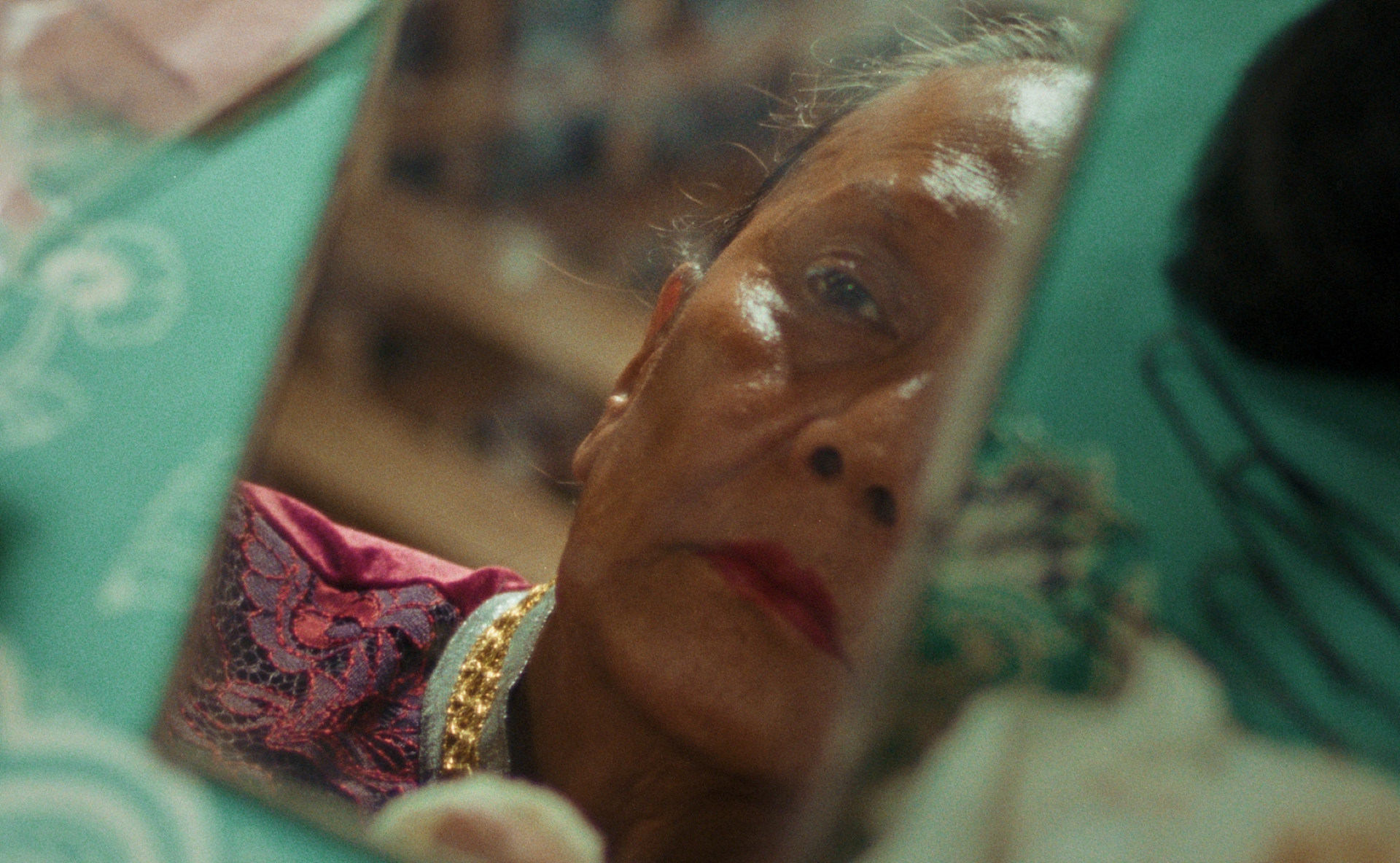
VERDICT: Christine Hakim’s bravura performance anchors 'Ibuku', an absorbingly textured study of a woman’s anguished attempts to make amends for failing her condemned daughter.
Shot on grainy 16mm stock and set almost entirely in a small village in his native city of Yogyakarta, Indonesia, Eddie Cahyono’s fourth feature – which is his first in six years – is a moving tale of remembering, resistance, reconciliation and reparation. The story follows a hard-edged widow forced to confront the trauma of having lost her loved ones, to misfortune partly of her own making. Amidst vivid imagery of rustic rural life, Christine Hakim delivers an acting masterclass, teasing grace out of the grit of her character’s tough physical labour and even tougher psychological toil.
Pivoting well away from his last film, the feel-good family melodrama Mrs. Broto’s Hostel, Cahyono returns to the unforgiving stylistic milieu which made him a rising star in Indonesian independent cinema with his award-winning, monochrome yet magnificent Siti (2014). Having spent the past decade mostly bringing other people’s work to fruition – such as his role as an executive producer on Garin Nugroho’s Memories of My Body — Cahyono’s directing career should now be back on track, with Ibuku bound for an extended run on the festival circuit after its competition premiere at Busan.
Ibuku is Indonesian for “my mother”, and the film begins from a daughter’s perspective. Wearing a black head scarf and robe, Sri (Ayushita Nugraha) stares at the walls around her and sees – or dreams of seeing – moving images of herself performing a traditional dance. It is soon revealed that she is actually sitting on death row somewhere in the Middle East, the seemingly final destination of a life wrecked first at home by a gambling father, then in a village by an abusive husband, and finally in Saudi Arabia by a rapist employer. It’s perhaps hardly a surprise that, in a subsequent scene, she recalls watching in distaste a traditional dance performance about Shinta, a goddess made to go through hell to prove her moral worth. “A woman sacrifices herself, burning herself alive to prove the purity of her love,” she mutters in a voiceover, as she wanders into the forest nursing her battered face. “For what?”
While her loathing is directed towards the protagonist in the dance, it’s also aimed at her mother Sum (Hakim), who arranged to marry her off (or “sell her off as meat”, according to Sri) to pay her husband’s debts. When Sri seeks solace after yet another turbulent time with her own husband, Sum appears frosty and criticises her for not being a dutiful spouse. This comment reflects more than the matriarch’s indifference to her daughter; it shows how she must have internalised the restrictive social norms passed down to her when she was a young wife herself.
Indeed, Sum is much more complex than the old peasant she appears to be. Through her conversations with her family and friends, especially her brother Djat (Landung Simatupang), it is revealed that she was once an accomplished dancer with a great future in dance; she opted out because of circumstances at home. At this point Cahyono’s screenplay leaves the daughter and zeroes in on the mother, while Muhammad Firdaus’ very dynamic camerawork provides an up-close view of Sum working in the fields, setting up market stalls and doing various forms of manual labour to earn a living.
But it’s also obvious that Sum performs all this work as self-inflicted punishment. Hakim’s incredibly controlled performance lets one sense Sum’s sense of guilt, bubbling beneath her torn and worn veneer. Tough on the outside as she chops her way through her daily routines, her vulnerability is palpable when she struggles with her endless dreams of her daughter. In her dreams the girl is not a damsel in distress, but a robust dancer in a warrior’s costume. These nightmares have a positive side, spurring Sum onto bigger things in life. She embarks on a personal, underground venture to improve the way of life for village women (and men), and to prove her self-worth through creation rather than self-destruction.
The character Sum is diametrically opposed to Hakim’s other leading role this year as a goofy, constantly screaming matriarch in the family inheritance comedy Everything Will Be Fine. Here Hakim avoids playing the melodramatic, self-pitying mother. From her small gestures to showpiece conversations, the veteran actor reveals an individual coming to terms with her fallibility through acts of resilience. Knowing he can count on Hakim to carry the film, Cahyono keeps his principle stylistic intervention to the decision to use grainy stock, as well as a few soundstage-shot sequences of Sri’s delirious nights in jail.
Bolstered by its two leading actor’s performances, Ibuku subverts the myths about women as merely submissive subjects. Just as Sum will finally sever links with the ghost of the man who haunts her, the filmmakers manage to deliver a powerful celebration of resilience and reinvention for those fleeing the spectre of patriarchy.
Director, screenwriter: Eddie Cahyono
Producers: Tika Bravani, Shin Yamaguchi
Executive producers: Aris Nugraha, Zunan Farid
Cast: Christine Hakim, Ayushita Nugraha, Landung Simatupang
Cinematography: Muhammad Firdaus
Editing: Greg Arya, Eddie Cahyono
Production design: Luki Janarko
Music, sound: Krisna Purna
Production companies: Talenta Media, KnockOnWood
World sales: Asian Shadows
Venue: Busan International Film Festival (Competition)
In Indonesian
96 minutes