IDFA 2026: An Interview with Isabel Arrate Fernandez
.
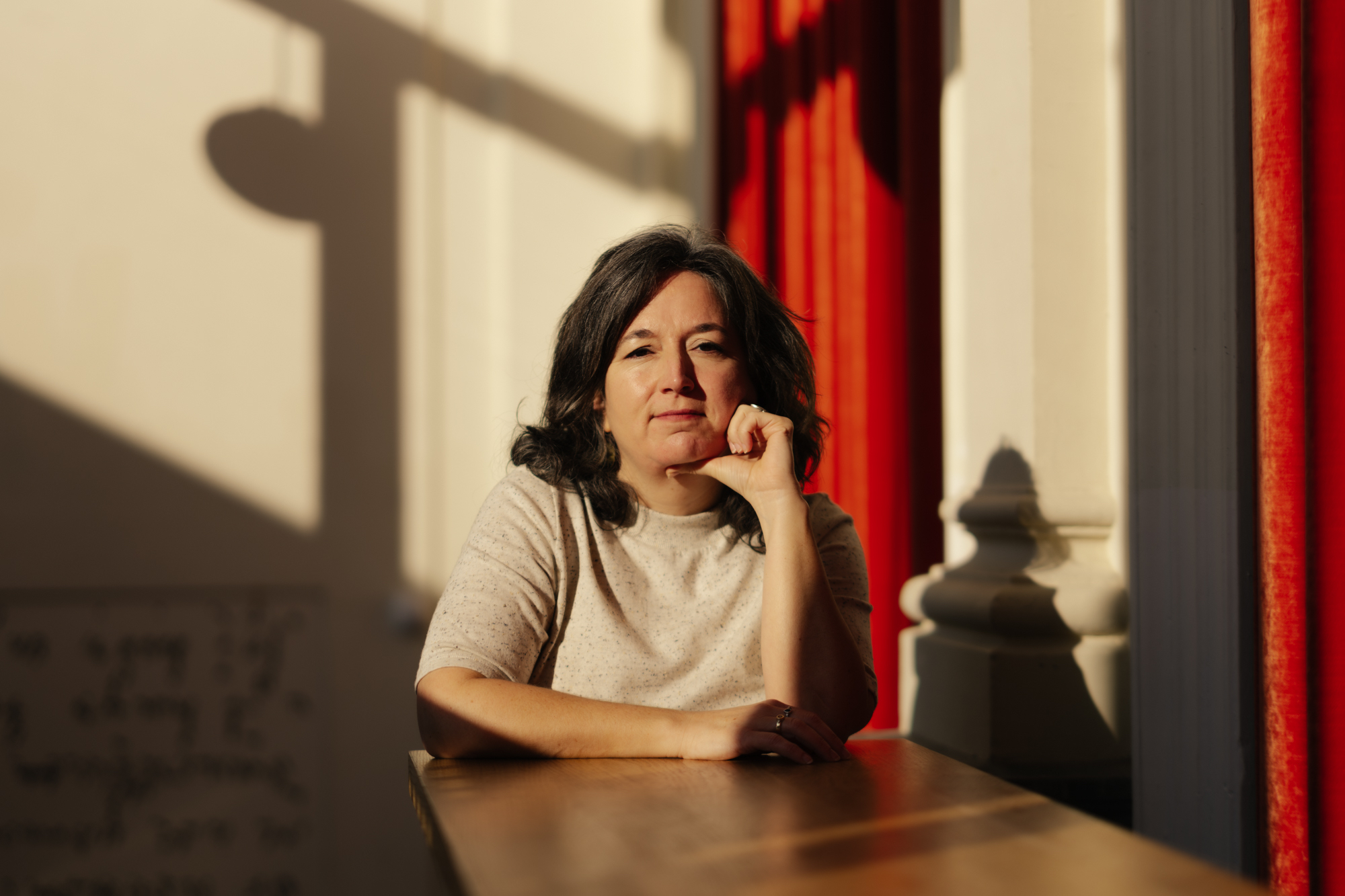
VERDICT: We spoke to Isabel Arrate Fernandez, artistic director of IDFA, ahead of the 2026 edition of the prestigious documentary festival.
It’s the early afternoon on November 6 when the Zoom call with Isabel Arrate Fernandez begins, less than a week before the start of the 2026 edition of the International Documentary Festival Amsterdam (IDFA), of which she became artistic director in 2025 after having worked with the event in different capacities over the years. She’s both excited and nervous, as can be expected this close to the start date: “There’s a lot to be excited about, with all the filmmakers and the films we’re presenting, but this last week is also always very hectic, with last-minute things, people, problems that need solving. Nothing too big, luckily.”
How has her IDFA experience, with the different roles over time, helped shape this year’s edition? “What I carry with me, and always have carried, is all the years of looking at filmmaking and the industry from a filmmaker’s perspective”, she replies. “Particularly filmmakers who are, and were, not very present in the documentary industry here in Europe, or in the US.” This leads to the fairly standard question of how a new artistic director balances the event’s history with putting their own stamp on proceedings.
She chuckles. “I’m fascinated by this notion of the artistic stamp. Of course, that does happen, because you’re the leader, but that concept overlooks the fact a festival is never organized by one person alone. I know really well how this is a team effort. That is something I strive to show in my leadership. Yes, I make the big decisions, but the programming, for example, is something we do collectively. Same goes for the Industry and New Media programs. It’s important to emphasize that.”
Speaking of the program, one element that immediately jumped out among the announcements leading up to the festival was the Focus devoted to William Greaves, one of the great names in African-American cinema. Although he passed away in 2014, he’s very much part of the 2026 conversation via the release of Once Upon a Time in Harlem, which his family completed by restoring and assembling footage originally shot in 1972, at a get-together Greaves organized for key figures of the artistic and intellectual movement known as the Harlem Renaissance. Isabel Arrate Fernandez explains: “That film’s release provided an opportunity to put a spotlight on this filmmaker. We had screened one or two of his works in the past, but he’s not really well known here. His oeuvre is huge, very extensive, and we made a selection in collaboration with the family.”
The other Focus concerns the guest of honor, the Salvadoran-Mexican director Tatiana Huezo. What does she bring to the 2026 edition? “Tatiana is a filmmaker we’ve been following for a long time. Her films The Echo and Tempestad were supported by the IDFA Bertha Fund during the development phase, and she’s a voice that really resonates with filmmaking communities in Latin America and Central America. The other fascinating thing is, we ask the guest of honor to choose their own Top 10 films, and if you look at hers, there’s classics that make we wish I’d have the time to watch them again in the cinema. It’s interesting to see what her influences are, there are very classical European titles, and she has gone on to tell stories on the other side of the world, in her own way.”
Regarding the newer titles in the selection, what’s something the audience should be on the lookout for? “You’re asking me to choose from my darlings? That’s really difficult! I can mention a larger selection, which is the films in our Envision competition. This is where filmmakers look at the boundaries of documentary cinema, they explore the form, they’re more playful in how they use the form in their storytelling. As a whole, that section, with films that are very different from one another, is about filmmakers showing what you can do with documentary cinema.”
On that note, it’s worth mentioning that this is all happening at a time when one of the most talked about films of the year, on a very mainstream level, is Nathan Fielder and Lance Oppenheim’s You Can See Everything, which has been a commercial hit in the US and inspired countless memes and parodies since September. How does the artistic director of a documentary festival view that success? “What is interesting, about that film and a few others around it, is an audience interest or movement that is surprising, that was not expected. People watching a three-hour documentary in the cinema, or a four-hour one in the case of Musk, shows us that things can be unpredictable, and audiences should not be underestimated.”